Introduction – Benfica vs. Napoli: atmosphere, history, and everything at stake
On the night of December 10, 2025, the Estádio da Luz in Lisbon once again hosted one of the most anticipated clashes of the 2025/26 UEFA Champions League group stage: Benfica vs. Napoli. The match carried layers of significance for both clubs. For Benfica, it was a chance to bounce back after a turbulent start to the competition. For Napoli, it came with the expectation of consolidating their lead in the group and securing early qualification.
Living on the edge between hope and doubt: that was the prevailing feeling among Benfica fans. In the preceding days, the club had been going through a series of results that generated distrust—both in domestic games and in the Champions League itself. The pressure on the coaching staff and players was immense. A stumble at home could mean not only a drop in performance, but also emotional and political strain within the club.
On the other side, Napoli arrived with the aura of a favorite team. Traditional in Italian football and accustomed to competing in major European competitions, the Italians had the advantage of possession and build-up play, but they knew that facing Benfica at the Estádio da Luz required more than technique: it demanded concentration, patience, and a spirit of sacrifice. The prospect of playing away from home always brought discomfort, and the memory of recent defeats on European soil increased the apprehension.
Recent history confirmed the skepticism: in the most recent Champions League campaigns, Benfica had sporadic victories against Italian teams at home — and Napoli, when playing away, showed pressure on results. According to competition data, the Portuguese team had won only one of their last 12 home matches against Italian clubs in the main tournament.
Therefore, the game was not just another group stage match: it was a test of character, of rebuilding, of resilience. The Estádio da Luz, a compatriot of continental glories, was once again filled with anxiety, expectation, and hope.
And it was amidst this whirlwind of pressure that one of Benfica’s most significant performances of the season unfolded — a triumph that rekindled the club’s European flame.
Pre-game analysis – Tactical, emotional and historical context before Benfica vs Napoli
The crisis and the imperative of a “rescue” for Benfica.
In the weeks leading up to the match, Benfica had accumulated inconsistent results: fluctuations in the Portuguese league, lackluster performances, and a European campaign marked by imbalances. The need was clear: to regain confidence, win back the fans, and—above all—show that, even internally shaken, it could compete on equal terms with the giants of the continent.
The squad felt the weight of the pressure. The pressure came not only from the fans, but also from the realization that the European campaign was becoming vital for the club’s reputation and prestige. Any defeat at home meant a risk of collective discouragement—a clear sign that the season could go off track.
For the players, the motivation was twofold: not only for the spot or the points, but for honor, pride, and the chance to rewrite the team’s image. For the coach, there was an obligation to transmit security, discipline, and a clear game plan. Mistakes were not an option.
Napoli: Favorite status and camouflaged weaknesses
Napoli arrived in Lisbon with confidence—the confidence of a team that believes in its own football. Their season had shown quality, and the club boasted experienced and versatile attacking players. However, there were signs of fatigue. Possession, often seen as a sign of dominance, wasn’t translating into solid attacking play, especially away from home.
Furthermore, the psychological pressure of playing away from home, far from the fans, far from the heat, combined with the responsibility of maintaining their status as favorites, created tension. Any isolated mistake could be exploited — and Benfica, even when unstable, had the home advantage and the emotional urgency that could tip the balance.
The Italian team’s plan, therefore, involved caution, defensive compactness, and quick transitions. But to work, it would require more than just possession: it demanded patience, strategic aggression, and the ability to withstand opposing pressure.
Lineups & Tactics – Strategies, formations, and game reading
Benfica started with a formation close to a 4-2-3-1 , seeking defensive balance and exploiting quick transitions. The strategy was clear: control the midfield, protect the back line, and exploit spaces behind Napoli’s defense with speed and penetration. The wingers and attacking midfielders were given freedom to push forward, with the aim of surprising opponents on counter-attacks or changes of pace.
In the defensive phase, the Portuguese team alternated between low compactness and high pressing in blocks, depending on the opponent’s build-up play. The alternation of rhythms aimed to confuse the Italian circulation and force errors — a strategy that would prove fundamental in the outcome of the game.
Napoli, on the other hand, adopted a more cautious system, prioritizing ball possession, patient build-up play, occupying spaces, and patience in passing exchanges. The idea was to dominate the ball, control the pace of the game, and avoid counter-attacks. Conversely, transitions were defined as quick and incisive, taking advantage of the speed of the wingers and the mobility of the forwards.
But there was a problem: the lack of defensive aggression and slow repositioning during transitions left spaces for infiltrations — something Benfica knew how to exploit. The tactical duel therefore became a struggle between patience and intensity, possession and efficiency, control and constant alertness.
First Half – Emotional dominance and the opening goal that changed the game
From the opening minutes, Benfica made it clear that the game would be played at their pace. With high pressing and constant pressure on Napoli’s build-up play, they forced errors and prevented the comfortable build-up play that the Italians were seeking. The strategy was clear: not to let the opponent breathe.
The quick exchanges, the advances down the flanks, and the intense movement of the midfielders and wingers created imbalances. Napoli’s defense was already showing signs of nervousness. At 20 minutes, in a corner kick and aerial duel, the chance arose—and it was taken advantage of with precision: the Benfica striker reacted first, controlled the rebound, and finished strongly to open the scoring. The Luz stadium erupted.
The goal brought not only an advantage on the scoreboard, but also emotional control. Benfica began to play with more confidence. Napoli, on the other hand, seemed shaken. Possession shifted slightly, but the build-up play remained slow and predictable. The Portuguese team, confident in the moment, alternated between pressing and defensive reinforcement without losing their composure.
In their passing exchanges, Benfica’s midfield showed intelligence: they knew how to accelerate or decelerate according to the moment, capitalizing on the opponent’s mistakes. Although Napoli dominated possession for some of the time, they produced little offensively—there were few moments of real danger. The feeling at the end of the first half: Benfica had the advantage on the scoreboard and, above all, psychologically.
Second Half – Efficiency, sobriety, and absolute control of light.
The start of the second half brought the same rhythm of the Portuguese striker pressing, but with even more composure and purpose. In the opening minutes, with quick transitions and precise passing, Benfica found space and, with composure, scored their second goal in the 49th minute. The ball crossed the area, the striker took advantage of the defense’s inattention and finished from close range – 2-0.
The advantage brought even more confidence and allowed the team to take control of the game. Napoli changed their approach, tried to press, but without much effectiveness. Plays down the wings became predictable, crosses easy to defend, and attacks were stopped by the Lisbon team’s organized defense.
At various points, the game seemed lost for the visitors: the Portuguese defense only dropped back to consolidate their advantage, but without abandoning the opportunity to counter-attack quickly whenever possible. The midfield reinforced the marking, reduced space, and made any dangerous transitions difficult. Napoli tried, but the ball didn’t reach the attack with sufficient quality.
In the final minutes, Benfica still sought to extend their lead—showing ambition even with the advantage—but also knew how to control the pace, manage the game, and leave with the three points in a confident manner. The victory consolidated not only a result, but also affirmed that the Portuguese club could still be a protagonist in the Champions League.
Full statistics – Benfica vs Napoli
| Statistic | Benfica | Naples |
|---|---|---|
| Goals | 2 | 0 |
| Shots (total) | 13 | 9 |
| Shots on target | 5 | 2 |
| Ball possession (%) | 42–43% | 57–58% |
| Corner kicks | 1–2 | 2–6 |
| Accurate passes / precision | ~82–88% | ~84–90% |
| Saves (goalkeeper) | 2 | 3 |
| Cards / Fouls | miscellaneous | miscellaneous |
The numbers confirm what was seen on the field: Benfica was more efficient, more decisive, and made better use of its chances — even with less possession of the ball.
Impact on the group and implications for Benfica and Napoli
For Benfica: renewed hope and chances of qualifying.
Victory rekindles hope. With the triumph, the Portuguese club reinvigorates internal and external confidence. The campaign gains new momentum, and public opinion once again looks upon it with respect. The performance shows that, under pressure, the team can deliver significant results—and this can influence both the group stage and morale for upcoming national and international matches.
In this scenario, Benfica re-emerges as a real contender for a place in the round of 16, provided they maintain focus, organization, and intensity. The Estádio da Luz shines brightly once more—and confidence returns to the fans.
For Napoli: warning, self-assessment and an urgent need for adjustment.
For Napoli, the defeat raises alarm bells. A dominant, possession-based approach is no longer enough when there’s pressure, quick transitions, and efficient marking. The team leaves Lisbon with the feeling that it needs to rethink its away strategy: how to balance build-up play with defensive aggression and offensive verticality.
The Italian club will have to deal with internal and external pressure — its reputation, once that of a sure contender, now demands answers. Consolidating its status as favorite will depend on adaptation, adjustments, and a renewed mentality.
For the Champions League group
The result shakes up the standings, creates uncertainty, and reignites the fight for qualification spots. Benfica, with renewed hope, makes everything unpredictable. Napoli, with its favoritism threatened, needs to react quickly. Unpredictability, a hallmark of the tournament, returns to dominate. And the upcoming matches promise even more tension.
Individual highlights – Who shone, who fell, and who needs to react.
Benfica Highlights
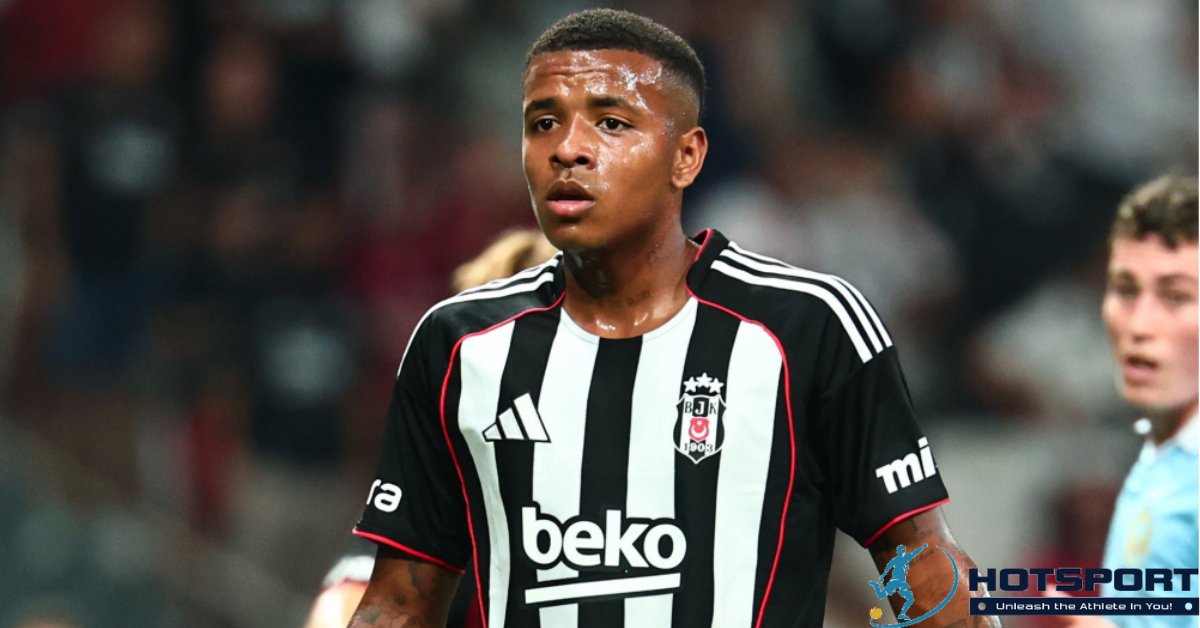
- The “boy of the night” — the striker who scored the opening goal, always alert to rebounds and ready to finish with precision. His presence in the box and opportunism defined the rhythm of the game.
- A combative midfield — marking tightly, recovering balls and setting up the attackers in quick transitions. The midfield line functioned almost as a buffer against the Italian pressure.
- Organized defense — they knew how to contain Napoli’s advances, close down spaces, and counter-attack quickly when the opportunity arose. Their compactness and positioning were crucial.
Warning signs for Napoli
- Excessive reliance on ball possession, without real purpose — especially when under pressure.
- Slow and predictable transitions that failed to break down Benfica’s defensive organization.
- Lack of a decisive offensive presence in crucial moments. The attack failed to perform in a hostile environment.
Perspectives for the future — What changes from this Benfica vs. Napoli match?
With this victory, Benfica re-establishes itself in the group as a strong contender. The confidence, rebuilt with hard work, paves the way for a return to prominence. If they maintain this attitude, they can fight for qualification with credibility. The fans breathe hope again.
For Napoli, the warning is clear: possession-based style and territorial dominance are not enough. The club will need to adapt its strategy, reinforce its defense, and seek effective attacking play in away games. The European season demands adjustments—and quickly.
The Champions League group reignites the competition. Unpredictability returns. And what’s shaping up is a final stretch full of tension, decisive matches and – possibly – surprises.
Conclusion – Benfica vs. Napoli: a triumph of spirit, efficiency, and a renewed opportunity.
Benfica’s 2-0 victory over Napoli was more than just a result. It was a declaration of identity, survival, and ambition. The team not only won; they dominated emotionally, tactically, and psychologically. They sought victory from the first minute, knew how to capitalize on their advantageous moments, and withstood the opponent’s attacks with conviction.
Napoli, dominant in possession, was stopped by the organization, defensive efficiency, and hunger for assertiveness of the Portuguese side. Possession alone did not allow for real control when the game demanded intensity—and the lesson is clear: in modern football, efficiency and team spirit make the difference.
Benfica re-emerges as a competitive force in the Champions League. Its European trajectory, once threatened, is now rekindled. The fighting spirit, strategy, and courage have shown that the club is alive, strong, and ready to face challenges.
Napoli, on the other hand, needs to rethink its strategy. Adaptation, pragmatism, and objectivity are urgently needed. Ball possession will not be enough if it is not accompanied by finishing – and the European elite does not forgive hesitation.
For the fans, for the analysts, and for everyone who lives and breathes football: this game was a powerful reminder that it’s not enough to believe in brilliance. You have to fight. With soul, with courage, with strategy. And, above all, with heart.
FAQs – Frequently Asked Questions about Benfica vs Napoli
1: What was the final score of Benfica vs. Napoli?
2-0 for Benfica.
2: Who scored the goals in the match?
The first goal came in the 20th minute; the second at the start of the second half.
3: Where was the game played?
At the Estádio da Luz, Lisbon.
4: Who stood out for Benfica?
The striker who opened the scoring, the combative midfield, and the well-positioned defense.
5: How was possession?
Napoli had more possession (approximately 57-58%), but Benfica was more efficient and lethal in the chances created.
6: What does this result mean for Benfica in the Champions League?
It rekindles their chances of qualifying, restores confidence to the squad and the fans, and demonstrates their ability to react under pressure.
7: And what about Napoli?
It raises red flags regarding consistency away from home, attacking efficiency, and adapting to demanding matches.
8: Is possession of the ball a guarantee of control?
Not necessarily. The match showed that offensive efficiency and defensive organization can overcome possession when well executed.
9: What to expect from Benfica’s next game?
Intensity, focus, and a search for consistency — the fans and the club will demand confirmation of a turnaround.