
Introduction – Fluminense vs. Mirassol
The match between Fluminense and Mirassol, played on the night of November 6, 2025 at the Maracanã stadium, was a milestone for the Rio de Janeiro team in its quest for a direct spot in the Libertadores Cup. In a match valid for the 32nd round of the Brazilian Série A, Fluminense won 1-0, with a goal by Kevin Serna in the 31st minute.
From the opening whistle, Tricolor showed control and composure on their home field, establishing their superiority in the first half and then managing the game intelligently. Mirassol, despite their good campaign so far, struggled with the transition between possession and finishing and failed to balance the pace of the match.
The victory reinforces Fluminense’s good run at home, where they remain unbeaten, and gives the fans the feeling that the team is ready to achieve greater things. For Mirassol, the defeat shows that, even playing away from home in good conditions, they lacked the aggression to break through the opponent’s defense.
Furthermore, the result comes at a key moment in the season — with few rounds remaining, every point becomes vital to defining the standings and ambitions. Fluminense knew how to take advantage of this factor and leave the Maracanã with three points.
Pre-Match Context – Club Situation
Fluminense: Home advantage, urgency, and confidence.
Fluminense took to the field with the clear mission of reaffirming their dominance at home. Under the command of Luis Zubeldía, the team was on a positive run at home and aimed to maintain that performance and reduce the gap to their direct competitors for the Libertadores Cup.
The fans turned out in force to show their support. The stadium had the atmosphere of a decisive match, and the team needed to deliver. On the field, Zubeldía maintained a solid defensive structure, with full-backs providing moderate support and a midfield responsible for distributing and retaining possession.
Furthermore, Fluminense knew they couldn’t afford to drop any more points at home—every draw could be costly in the final stretch. The motivation of the crowd and the favorable atmosphere were intelligently exploited by the coach and players.
The match also served to consolidate the squad in crucial moments: the group showed maturity, concentration, and the ability to make decisions under pressure, essential characteristics for those who aspire to compete for a spot in the Libertadores Cup.
Mirassol: Consistent campaign, but a challenge away from home.
For Mirassol, the outlook was promising. With a solid campaign and surprising performance, the team dreamed of remaining among the top teams. However, playing away from home against a club with tradition and a large fan base always represents an extra challenge.
The coach devised a tactical plan to neutralize Fluminense’s main strengths: ball possession, quick transitions, and runs down the flanks. The idea was to maintain compactness and exploit counter-attacks.
However, the Maracanã factor proved decisive. Mirassol struggled to impose their rhythm, made crucial passing errors, and encountered a very well-organized Fluminense defense. Despite having moments of dominance, they failed to convert that into real scoring opportunities.
The defeat, though bitter, serves as a learning experience. Mirassol continues to show consistency, but experience reveals that they still lack regularity away from home to compete on equal terms with the big teams.
First Half – Tricolor dominance and breaking the deadlock.
Fluminense started the match with intensity, pressing high up the pitch and pushing their opponents back into their own half. The midfield, led by André and Ganso, dictated the pace and controlled the attacking play.
Mirassol tried to balance the game with possession and quick switches of play, but couldn’t convert that volume into danger. The attacks ended in midfield, blocked by the solid Tricolor defense.
In the 31st minute, Kevin Serna received a great through ball and shot precisely into the corner, opening the scoring. The goal gave the team tranquility and confidence, and they began to control the game with short passes and constant movement.
In the following minutes, Fluminense had chances to extend their lead, but were thwarted by the opposing goalkeeper’s saves. The first half ended with clear superiority for Fluminense — technically, tactically, and emotionally.
Second Half – Administration and Defensive Security
After the break, Fluminense adjusted their approach and adopted a more cautious strategy. The objective was to maintain control of the game without exposing themselves. The team dropped back slightly and waited for Mirassol’s mistakes to exploit counter-attacks.
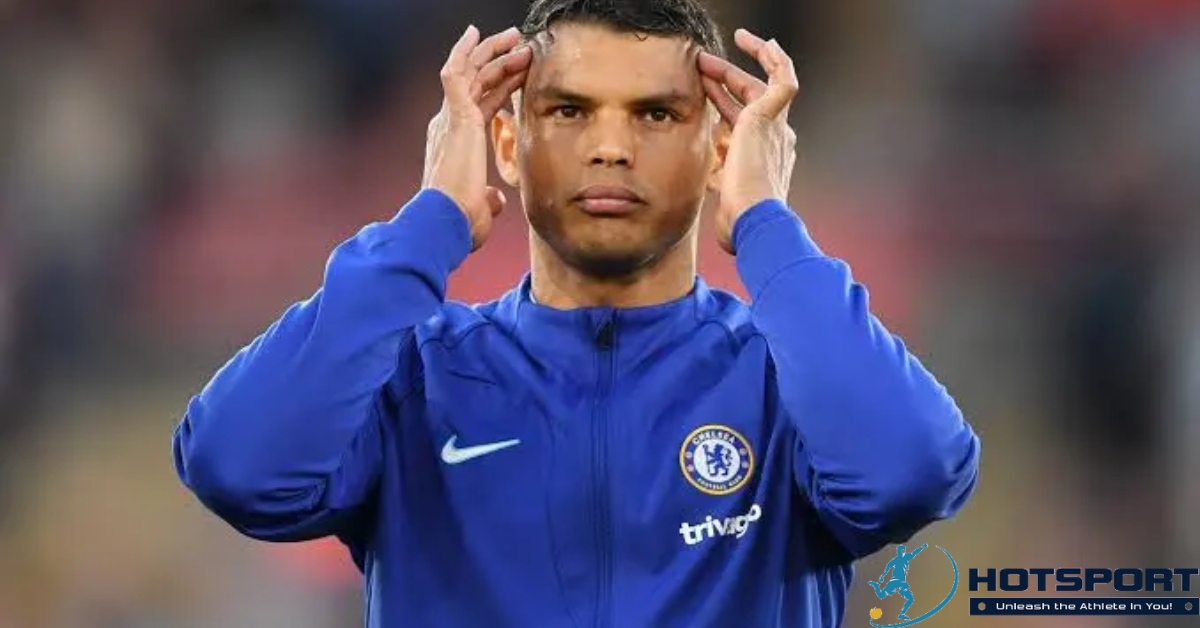
Mirassol tried to react, pushing their attackers forward and relying on crosses. However, the Tricolor defense maintained its composure, with Thiago Silva standing out, neutralizing aerial plays and organizing the defensive line.
As the minutes ticked by, Fluminense managed the result with experience. Zubeldía’s substitutions breathed new life into the midfield, ensuring stability until the final whistle.
The excited fans recognized the team’s effort and celebrated a crucial victory for their championship ambitions. The team showed maturity and emotional control—hallmarks of a competitive group.
Tactical Analysis – Structure, home advantage, and efficiency
Tactically, Fluminense was disciplined and efficient. The 4-2-3-1 formation provided balance between defense and attack. The full-backs offered just the right amount of support, and the midfield functioned like a quick transition machine.
Mirassol, playing a 4-1-4-1 formation, maintained a good structure, but lacked boldness. The team had more possession, but lacked purpose. Fluminense took advantage of the spaces and were lethal in the few opportunities they created.
The tactical difference was evident: while Mirassol tried to control the game, Fluminense knew how to play with the score and demonstrated superior tactical awareness. This shows Zubeldía’s skill and the maturity of the squad.
The match also highlighted the strength of the Maracanã as a decisive factor — the atmosphere boosted the team and made it difficult for the opposing team to mount a comeback.
Statistics – Fluminense vs Mirassol (Brazilian Championship 2025)
| Metric | Fluminense | Mirassol |
|---|---|---|
| Ball possession | 43% | 57% |
| Total shots | 16 | 10 |
| Shots on target | 4 | 2 |
| Corner kicks | 4 | 3 |
| Mistakes committed | 14 | 12 |
| Goalkeeper saves | 2 | 3 |
| Goals | 1 | 0 |
| Accurate passes | 375 | 428 |
| Great chances | 3 | 1 |
| Total audience | 15,952 | — |
Updated standings (after round 32)
| Team | P | J | V | AND | D | GP | GC | SG |
|---|---|---|---|---|---|---|---|---|
| Palmeiras | 68 | 31 | 21 | 5 | 5 | 57 | 26 | +31 |
| Flemish | 65 | 31 | 19 | 8 | 4 | 61 | 18 | +43 |
| Cruise | 63 | 32 | 18 | 9 | 5 | 46 | 22 | +24 |
| Mirassol | 56 | 32 | 15 | 11 | 6 | 52 | 32 | +20 |
| Bahia | 52 | 32 | 15 | 7 | 10 | 42 | 38 | +4 |
| Botafogo | 51 | 32 | 14 | 9 | 9 | 48 | 32 | +16 |
| Fluminense | 50 | 32 | 15 | 5 | 12 | 41 | 40 | +1 |
Impacts and Consequences – Fluminense vs. Mirassol
Fluminense’s victory had a direct impact on the standings and the team’s morale. With this result, the Tricolor remains firmly in the fight for a spot in the 2026 Libertadores Cup. The team is showing improvement under Zubeldía’s leadership and strengthening its home advantage as a trump card for the final stretch.
Furthermore, the team is showing unity and maturity — crucial factors for facing the final rounds. Fluminense is improving at the right time and is once again inspiring confidence in its fans.
Mirassol, despite the defeat, maintains a positive campaign. The team only needs to correct its offensive transition and improve its finishing away from home. The lessons learned from this match could be valuable for the following rounds.
In the overall context, the game reaffirms the balance of the 2025 Brazilian Championship: details and efficiency define the results.
Conclusion – Fluminense vs. Mirassol
The match between Fluminense and Mirassol demonstrated the importance of controlling the game, respecting the opponent, and taking advantage of opportunities. Fluminense was mature, efficient, and proved once again the power of the Maracanã.
Mirassol, despite displaying a good volume of play, failed to translate that into goals and paid a high price for their lack of aggression.
With the victory, Fluminense remains in the fight for a Libertadores spot and consolidates its position as one of the most competitive teams of the season. The fans leave confident, and the team shows that it has the repertoire to fight until the end.
The 2025 Brazilian Championship is entering its decisive phase, and each round promises more excitement, rivalry, and surprises.
FAQs – Frequently Asked Questions about Fluminense vs. Mirassol 2025
Q1: What was the result of the match?
Fluminense beat Mirassol 1-0.
Q2: Who scored the winning goal of the match?
Kevin Serna scored the winning goal in the 31st minute.
Q3: Where was the game held?
At the Maracanã stadium, in Rio de Janeiro.
Q4: How was Fluminense’s performance?
Solid, balanced, and efficient. The team controlled the game and knew how to manage the result.
Q5: What did Mirassol lack?
Better offensive efficiency and precision in finishing.
Q6: Who was the standout player of the game?
Kevin Serna, for the goal and his constant movement in attack.
Q7: Were there any controversies?
No. The match was well conducted by the referees, without major controversies.
Q8: Is Fluminense still undefeated at home?
Yes. The team maintains an excellent record at the Maracanã.
Q9: What are Fluminense’s next challenges?
To continue scoring points in the final rounds to secure a spot in the 2026 Libertadores Cup.
Q10: What does Mirassol need to do to turn things around?
Improve their away form and make better use of the opportunities they create.