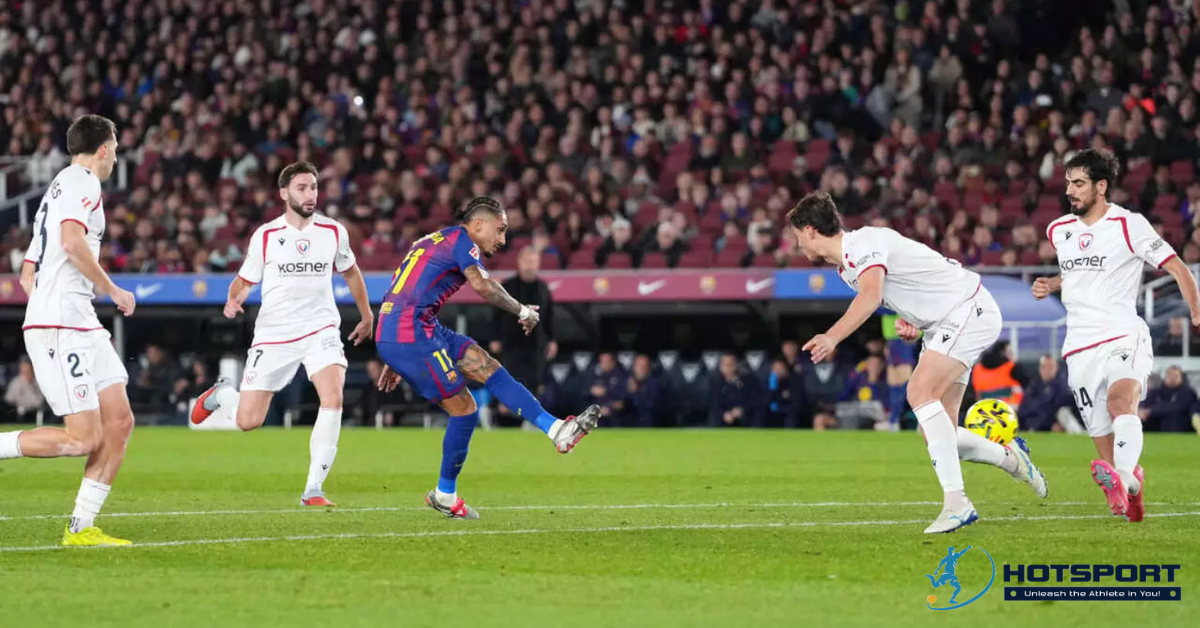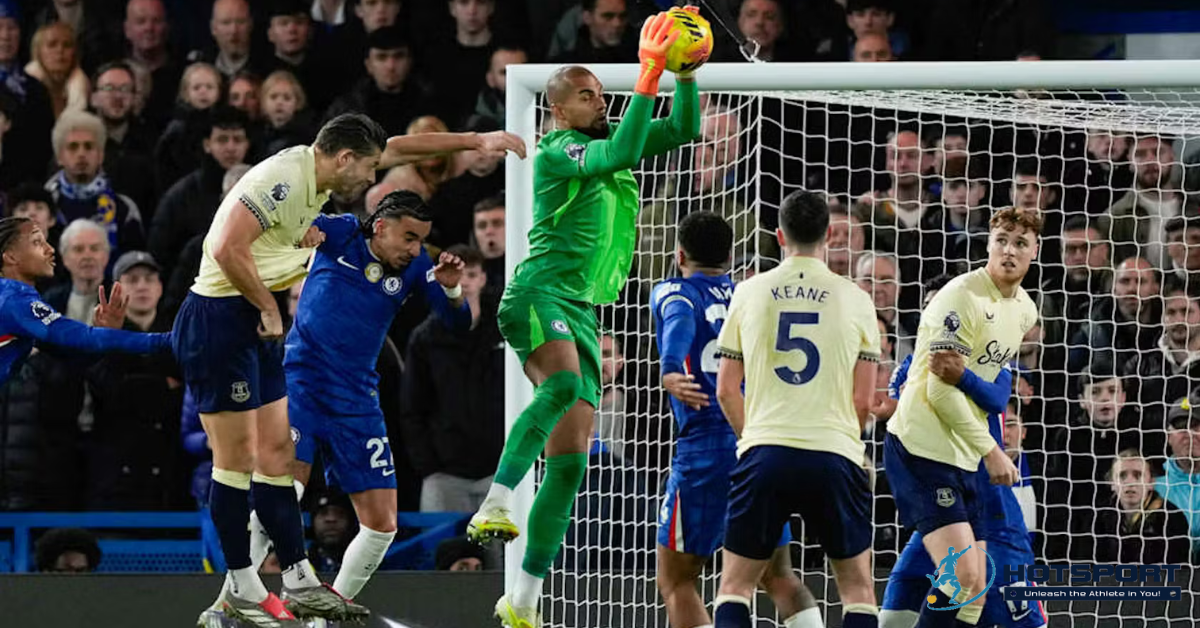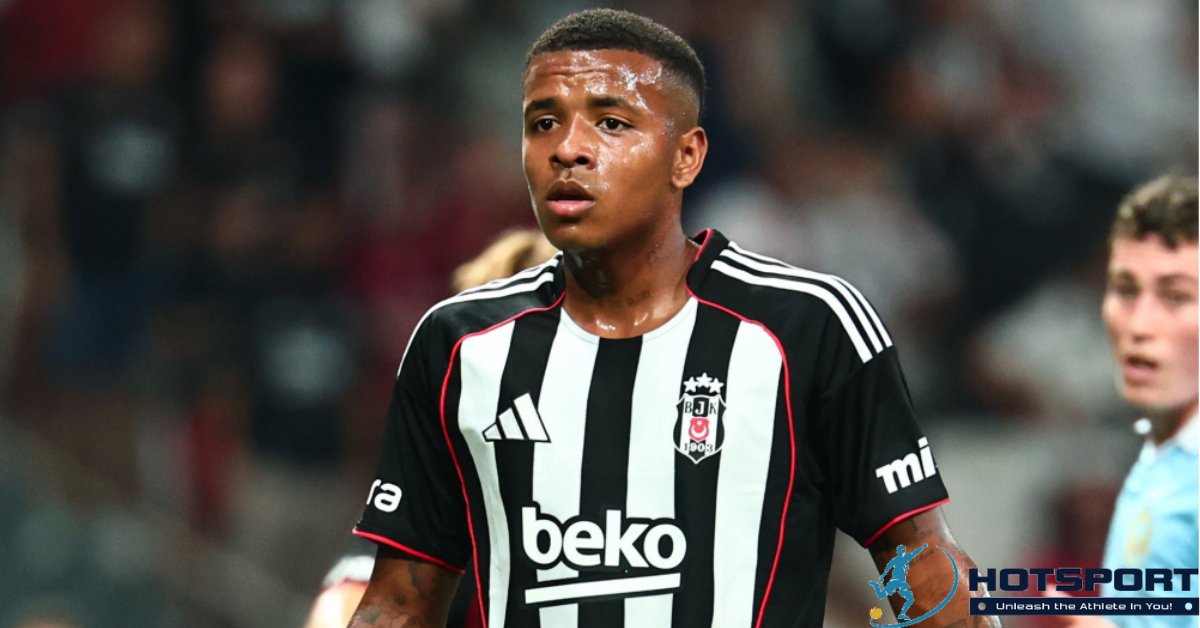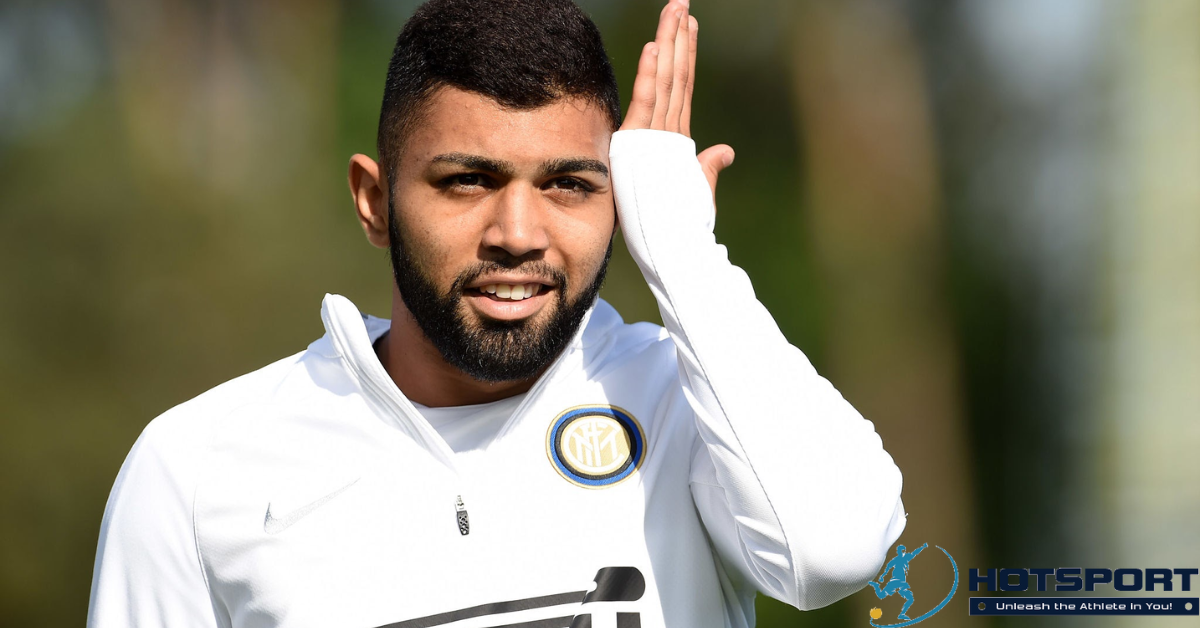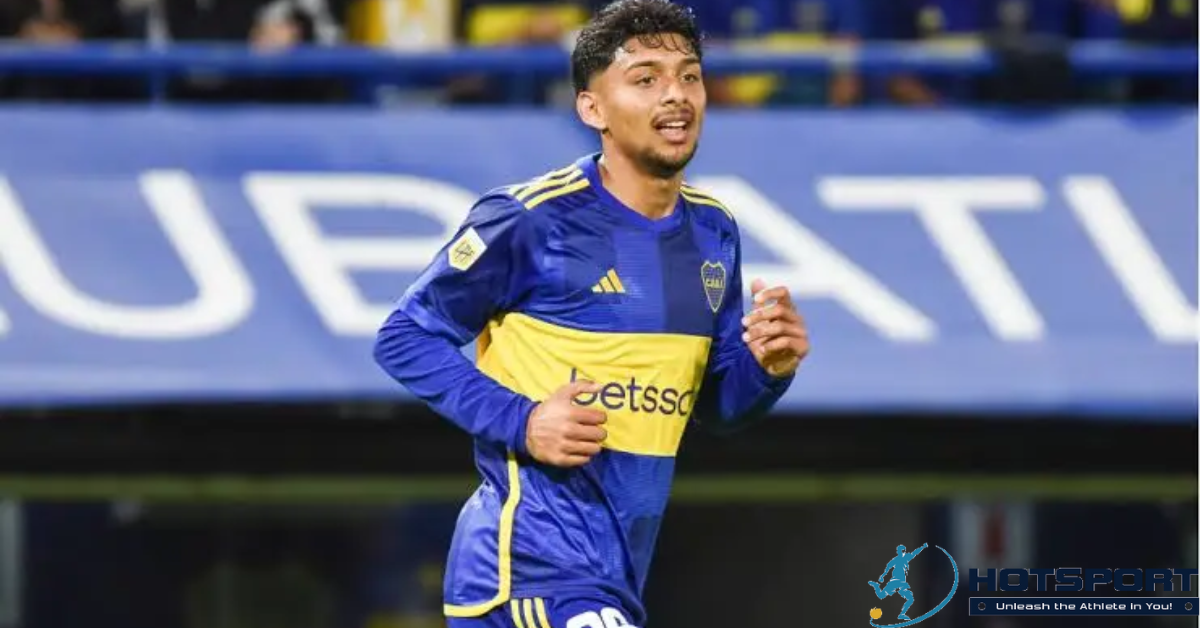
Darwin Núñez is one of those players who steps onto the pitch and turns the game into an unpredictable spectacle. Born on the plains of Uruguay’s interior, he carries the grit of someone who came from afar to shine on the world’s grass. With his explosive speed, powerful shots, and seemingly inexhaustible energy, the 26-year-old striker has become a reference in South American and European football. Today, in December 2025, his trajectory is taking new turns with rumors of a possible return to his roots or a fresh start in more competitive leagues. Let’s dive into the story of this talent who blends genius and controversy, always with the goal as his main objective.

Humble Origins: From Artigas to the Football Dream
Darwin Gabriel Núñez Ribeiro was born on June 24, 1999, in the small city of Artigas in northern Uruguay. Son of Bibiano Núñez, a bricklayer, and Silvia Ribeiro, who sold bottles of milk to support the family, Darwin grew up in an environment of great struggle and little abundance. “Sometimes we barely had enough to eat,” the player himself recalled in past interviews, highlighting how football was his escape valve. At 5 years old, he was already kicking a ball on dusty streets, inspired by Uruguayan idols like Luis Suárez, whom he greatly admires.

At 14, destiny knocked. Scout José Perdomo, a former Uruguayan national team player, saw him training on makeshift fields and recommended him to Peñarol, the giant from Montevideo. But the path wasn’t easy. Darwin arrived in the capital, but homesickness made him return to Artigas. A year later, he came back more determined. At 16, he suffered a serious cruciate ligament injury that kept him out for over a year and required two surgeries. His older brother, Junior, quit football to work and help at home, saying: “You’re better than me at this.” This resilience shaped Núñez’s character, emerging stronger, ready to prove his worth.

First Professional Steps: Peñarol and the Explosion in Europe
Promoted to Peñarol’s first team in 2018, Darwin debuted on the right foot. His first professional goal came in October that year, in a 2-0 victory over Fénix. In his debut season, he scored 4 goals in 22 games, showing a striker’s nose and impressive athletic ability. At 1.87m tall and 78kg, he combines physical strength with agility, traits that compare him to legends like Edinson Cavani and Suárez himself.

The leap to Europe came in 2019, when Almería from Spain’s second division paid around $4.5 million for him. At 20 years old, Núñez faced the challenge of adapting to a more tactical style of football. In his first season, he found the net 16 times in 30 matches, helping the team dream of promotion to La Liga. But it was at Benfica in 2020 that he truly exploded. Signed for 24 million euros, Darwin became a key piece under Jorge Jesus. In two seasons, he scored 48 goals in 85 games, including memorable performances in the Champions League, like a hat-trick against Paços de Ferreira. His speed on counter-attacks and long-range finishes became his trademark, earning him the nickname “Agent of Chaos” for his unpredictability on the field.

Anfield and the Highs and Lows in the Premier League
In June 2022, Liverpool took a big gamble: an initial 64 million pounds (up to 86 million with bonuses) to prise Núñez from Benfica. Jürgen Klopp saw in him the perfect replacement for Sadio Mané, a striker who pressed high and ran like lightning. The debut was promising: a goal against Fulham and an insane run against Manchester City that recalled the best moments of a modernized Red.

But adapting to the Premier League wasn’t simple. Darwin scored 15 goals in his first season, but missed chances that made fans tear their hair out. Critics pointed to his “unpredictable” finishing, but defenders highlighted his collective contribution: assists, ball recoveries, and an intensity that lifted the team. In 2023/24, he shone more, with 18 goals and 13 assists across all competitions, including a brace against Bournemouth that marked his 100th senior career goal.

Under Arne Slot, Klopp’s successor in 2024/25, things changed. The 2024/25 season had highs and lows: Darwin contributed 8 goals and 3 assists in the Premier League, but accumulated yellow cards and lost rotation spots. Still, he helped Liverpool win the English title in 2025, becoming the second Uruguayan to lift the trophy after Diego Forlán. In total, in 143 games for the Reds, he scored 40 goals—solid numbers, but below the initial investment. His departure in August 2025 to Al-Hilal for 46 million pounds was seen as a necessary restart.

Uruguayan National Team: The Celeste in His Heart
Darwin debuted for the senior national team in 2019, in a friendly against Peru, scoring right away. Since then, in 35 games up to 2025, he has 13 goals, being a fundamental piece in the 2026 World Cup qualifiers. In the 2024 Copa América, he was the vice-top scorer with 4 goals, including one in the semifinal against Brazil, helping Uruguay reach the final (lost to Argentina).

His connection to the Celeste is visceral. Núñez wears the shirt with pride, honoring the tradition of Suárez and Forlán. In 2025, he scored a decisive brace in the qualifiers against Brazil, reinforcing his importance to Bielsa. Off the field, he is an ambassador for social causes in Uruguay, visiting underprivileged communities and encouraging young people from humble backgrounds.

Playing Style: Speed, Strength, and a Touch of Magic
What makes Darwin special is his versatility as a modern center-forward. He presses defenders like few others, with sprints reaching 35 km/h, and uses his body to impose himself in the box. His shots from outside the area are lethal, and he loves heading in crosses. Compared to Suárez for his goal hunger, Núñez adds creative chaos: short dribbles, quick pivots, and an tireless work ethic.

But not everything is rosy. His sometimes rushed finishes generate memes and debates. Still, coaches praise his tactical evolution. At Liverpool, Klopp said: “He runs like every game is his last.” In 2025, his stats show 118 goals in 312 club games, with 42 assists—impressive numbers for a still-young player.

Personal Life: Family, Love, and Balance
Off the four lines, Darwin is a dedicated father. Married to Lorena Manas since 2019, the couple has a son, also named Darwin, born in January 2022. Lorena, a model and influencer, is his safe harbor, accompanying him through country changes. They live in a modest mansion in Montevideo during vacations, prioritizing privacy.

Núñez is a fan of Uruguayan barbecues and folk music, but avoids excessive spotlights. His estimated fortune of 15 million euros comes from salaries (160 thousand euros weekly at Al-Hilal) and sponsorships with Adidas. He donates to NGOs in Artigas, building soccer fields for underprivileged children—a way to give back to his roots.

Recent Updates: Exit Rumors and an Uncertain Future
In August 2025, Darwin swapped Anfield for Saudi Arabia, signing a five-year deal with Al-Hilal for 46 million pounds. The club, seeking a replacement for Neymar (who returned to Santos), saw him as the ideal reinforcement for the Saudi League. In his first months, he played 11 matches, scoring important goals and adapting to Riyadh’s scorching heat. But in December 2025, winds of change are blowing.

Reports from Argentina’s Olé newspaper indicate dissatisfaction with limited playing time. With an annual salary of 24 million euros, Núñez was offered to River Plate, but negotiations stalled due to the high cost. Brazilian clubs like Flamengo and Vasco da Gama have emerged in rumors, attracted by his South American grit. On X (formerly Twitter), Flamengo fans dream of him alongside Pedro, while Vasco supporters joke about a “killer” in São Januário for the 2026 Libertadores.

Other options include returns to Europe, like Chelsea or Milan, who admire his potential. Alisson Becker, his former Liverpool teammate, lamented the departure: “Darwin made a difference with goals and fight.” At 26, Núñez is at his physical peak and seeks stability. His priority? Play more and shine again, wherever it may be.

Legacy in the Making: Why Darwin Continues to Fascinate
Darwin Núñez isn’t perfect, but he’s authentic. From a poor boy in Artigas to a global star, his journey inspires millions. He won the Premier League, shone in the Champions, and carries the Celeste on his back. With 100 senior career goals up to 2025, the Uruguayan proves that talent and determination overcome origins.

What does the future hold? A return to South America to conquer the Libertadores? Or a restart in Europe to silence critics? One thing is certain: wherever Darwin treads, the goal will tremble. And the fans, as always, will cheer with every mad run and bold finish. Because in football, as in life, Núñez’s chaos is what makes everything more alive.

Trending Post

National Football

In a year marked by twists and turns in South American football, Jorge Carrascal has emerged as one of the most dynamic figures on the continent. Born in the sweltering streets of Cartagena, Colombia, this 27-year-old carries the tenacity of someone who grew up dreaming of the pitch. With his sharp vision and unpredictable dribbling, he has become an essential player for Flamengo, particularly in the club’s historic victory in the 2025 Copa Libertadores. But who is this midfielder who, under the scorching sun of Lima, lifted the continental trophy for the second time in his career? Let us explore the journey of a talent that blends Colombian tradition with the fast-paced rhythm of Brazilian football.

Early Steps: From Cartagena to the European Dream

Jorge Andrés Carrascal Guardo was born on May 25, 1998, in Cartagena de Indias, a port city where the Caribbean Sea sets the rhythm of life. The son of a humble family, he traded street games for the youth ranks of CD Heroicos, a local club that served as a springboard to Millonarios, a powerhouse in Colombia’s capital. At the age of 16, in 2014, Carrascal was already playing for Millonarios in the Categoría Primera A. His initial appearances were modest—only three matches with no goals—but his unmistakable spark was evident.

Destiny called him to Europe in 2016. At just 18, he signed a five-year contract with Sevilla FC in Spain and was immediately loaned to the club’s reserve team, Sevilla Atlético, in the Segunda División. His time there was limited to a single appearance, but exposure to professional European football instilled discipline in him. “It was a new world, with intense training and constant pressure,” Carrascal later recalled in an interview. This brief stint on the Iberian Peninsula served as a prelude to a journey that would take him to four different countries, proving that talent knows no borders.

The Breakthrough in Ukraine: Discovering the Taste of Victory

His true awakening came in Ukraine, where he was loaned to Karpaty Lviv in July 2017. What began as a temporary move became a longer stay. In the 2017-18 season, he played 22 matches in the Ukrainian Premier League, scoring six goals and drawing attention with his speed and creativity in the attacking midfield. In April 2018, he was named the league’s Player of the Month, a recognition that resonated even in his native Colombia.

The following season, 2018-19, saw his goal tally drop to zero in 16 appearances, but the Ukrainian period was formative nonetheless. “There, I learned to cope with the cold, homesickness, and the responsibility of being a foreigner who has to prove himself twice over,” he confided. This resilience prepared him for his next chapter: a loan to River Plate in Argentina in 2019. Under Marcelo Gallardo, Carrascal made his debut with a goal against Argentinos Juniors and, across 10 matches, contributed two goals. River Plate won the Primera División in 2021, and after becoming a permanent signing in 2020, he made 44 league appearances and scored three goals. It was at the Monumental de Núñez that he first experienced playing for a giant club with a fanbase that turns stadiums into cauldrons.

The Russian Adventure: Growth Under Pressure

Russian football presented a trial by fire. In 2022, Carrascal was loaned to CSKA Moscow, where he made 11 appearances and scored one goal in the Premier League. The club exercised its purchase option, and he remained until 2023, totaling 26 matches and six goals the following season. It was at Dynamo Moscow, where he transferred in August 2023 with a contract until 2027 (with an extension option), that he found greater stability. Over two seasons, he played 49 matches, scored seven goals, and was voted the club’s Player of the Month for March 2024 by the fans.

The harsh Russian winter and compressed schedule forged a more mature Carrascal. “Football there is physical and direct, but it helped me improve my game-reading ability,” he explained. In the 2024-25 season, he shone with seven goals in 26 matches, but his desire to return to South America grew. Rumors of dissatisfaction with the climate and distance from his family surfaced, and in June 2025, reports emerged of a preliminary agreement with Flamengo for the FIFA Club World Cup. The transfer was finalized on August 2 for €12.5 million, with a contract until June 2029. At 27, Carrascal returned to the continent where he had previously excelled, now bearing the weight of the red-and-black shirt.

Impact at Flamengo: From a Quiet Arrival to Libertadores Hero

His arrival at Flamengo was like a tropical storm. Under Filipe Luís, the former full-back turned manager, Carrascal competed for a spot in the attacking midfield alongside players like Arrascaeta and Everton Cebolinha. In his initial phase through November 2025, he accumulated 16 matches across all competitions, scoring three goals and providing four assists. In the Brasileirão, he played 12 matches, scoring two goals and delivering four assists—solid numbers for a newcomer.

His defining moment came in the 2025 Copa Libertadores. Carrascal was a key figure in the knockout stages, particularly the semifinals, where his vision dismantled opposing defenses. In the final on November 29 at Lima’s Estadio Monumental, Flamengo faced Palmeiras in an epic showdown. With the score locked at 0-0 for much of the match, Danilo headed the winning goal in the 72nd minute, securing a 1-0 victory. As an undisputed starter, Carrascal ran tirelessly across the pitch, enduring hard fouls from Veiga and Piquerez while delivering precise passes to the forwards. “He was the engine of the team, with passes that sliced through lines and dribbles that relieved pressure,” Filipe Luís praised after the match.

This triumph marked Flamengo’s fourth continental title (1981, 2019, 2022, and now 2025) and Carrascal’s second South American honor, following the 2019 Recopa Sudamericana with River Plate. In the locker room, he led an exuberant celebration—a blend of Caribbean rhythms and samba—that infected his teammates and went viral on social media. “That’s the Colombian way of celebrating: with joy and without fear,” he said as he lifted the trophy amid Peruvian fireworks.

Not everything was smooth; in November, a rib injury—an osseous edema without fracture, caused by a collision in a match against Sport—sidelined him for several weeks. However, he returned stronger, demonstrating his resilience. With two rounds remaining in the Brasileirão, Flamengo remains in contention for the title, and Carrascal dreams of a double.

Playing Style: Creativity and Versatility on the Pitch

What makes Carrascal special? Standing at 1.80 meters and predominantly right-footed, he operates as a central attacking midfielder but drifts to the flanks or even as a second striker. His strength lies in his creativity: vertical passes that break defensive lines, short dribbles in tight spaces, and a dangerous long-range shot. At Flamengo, Filipe Luís has praised his “quick decision-making near the penalty area,” a skill honed in Russia.

Frequently compared to compatriot James Rodríguez, Carrascal is more physical and less reliant on the spotlight. His assist rate—four in 12 Brasileirão matches—reflects a team-oriented player who elevates those around him. Critics have pointed to occasional inconsistencies in big matches, but his performance in the Libertadores final silenced many doubters. “He is the modern number 10: technically gifted, with the lungs to press high,” summarized an Argentine analyst.

The Colombian National Team: National Pride and a Promising Future

Carrascal made his senior debut for Colombia in September 2022 in a friendly against Guatemala (4-1). As of November 2025, he has earned 21 caps and scored two goals: one against South Korea in 2023 and another against the United States in 2024. He was a substitute in key matches as Colombia finished as runners-up in the 2024 Copa América under Néstor Lorenzo.

In youth international competitions, he shone with five appearances and one goal for the under-17 team in 2015, and seven matches with three goals for the under-23 side in 2020. “Representing Colombia is what drives me,” he says. With a Libertadores title to his name, Carrascal gains credibility ahead of the 2026 World Cup qualifiers, where Colombia seeks direct qualification.

Personal Life: Roots That Inspire

Off the pitch, Carrascal maintains a low profile. Raised in Cartagena by a mother who sold fruit in the market, alongside his siblings, he has often said, “She taught me that effort comes before talent.” Married and the father of a young son, he balances fame with regular visits to Colombia, where he supports social projects in underprivileged neighborhoods. Managed by GBG Global, he maintains partnerships such as with Adidas, maintaining a scandal-free image focused on football.

The Horizon: A Rising Star

With the Libertadores title freshly won, Carrascal sets his sights on the December 2025 FIFA Club World Cup and the Brasileirão. His market value, estimated between €5.7 million and €7.7 million, could surge with further trophies. For Colombia, he represents a link between generations: the heir to Carlos Valderrama and a partner to Luis Díaz.

Jorge Carrascal is more than just a player; he is proof that persistence and passion build legacies. From the Caribbean to the Maracanã, his story continues to inspire. And who knows? The next chapter may be written on the stage of a World Cup.

Abel Braga is one of the most respected and enduring figures in Brazilian football. Over more than five decades, he has built a career marked by significant achievements both on the field as an elite defender and off the field as a successful coach. His trajectory exemplifies dedication and deep identification with the sport, particularly with Fluminense, the club with which he shares a special and enduring relationship.

Early Steps and Career as a Player

Abel Carlos da Silva Braga was born on September 1, 1952, in Rio de Janeiro. His development as a player took place in Fluminense’s youth academy, where he quickly distinguished himself through his defensive solidity and natural leadership. He made his debut with the senior team in 1973 and, in a few years, became a fundamental piece in the club’s defense.

Abel’s primary achievement as a player was winning the Copa Libertadores in 1984, a historic milestone for Fluminense. That year, the Rio de Janeiro club reached the final against Olimpia of Paraguay and secured the title by defeating the opponent 3-1 in the return leg, after losing the first match by the same scoreline. As team captain, Abel was a central figure in the defense that ensured the championship, playing a key role in maintaining the security of the backline.

In addition to the Libertadores, Abel amassed other significant titles, including the Brazilian Championship in 1984, the Rio de Janeiro State Championship in 1983, 1984, and 1985, and the Rio-São Paulo Tournament in 1980. His tenure with Fluminense, where he played 655 matches and scored 49 goals, makes him one of the players most closely identified with the club. After retiring in 1990, following stints with Atlético Mineiro and Botafogo, Abel chose to follow in the footsteps of his father, João Braga, who was also a coach, and embarked on a career as a manager.

Transition to Coaching and Early Achievements

Abel’s early years as a coach were marked by challenges and a learning curve. He began his professional managerial career in 1990 with Botafogo, but it was with Fluminense that he achieved his first significant successes. In 1995, he led the team to the Rio de Janeiro State Championship title, overcoming a period of financial and technical crisis.

From that point onward, Abel managed various Brazilian clubs, including Internacional, Vasco da Gama, Athletico Paranaense, Cruzeiro, and Flamengo. His career as a coach has been characterized by periods of notable results interspersed with moments of inconsistency, a common feature in the highly competitive landscape of Brazilian football. However, his ability to rescue teams from difficult situations has consistently been one of his defining traits.

The Peak of His Career and Consolidation as a Coach

One of the high points of Abel Braga’s career came in 2006, when he led Internacional to victory in the Copa Libertadores. After eliminating strong opponents such as São Paulo and Chivas Guadalajara in the knockout stages, the Rio Grande do Sul club reached the final against São Paulo and won 2-1 in the decisive match in Porto Alegre. Abel, known for his calm demeanor and tactical focus, was instrumental in organizing a squad that included players such as Fernandão and Rafael Sobis.

This triumph solidified his reputation as a winning coach in continental competitions. Subsequently, in 2007, Abel returned to Fluminense during a period of severe financial and sporting crisis, with the club facing the threat of relegation in the Brazilian Championship. Under his leadership, the team avoided the drop on the final matchday, achieving a remarkable run of 16 consecutive unbeaten games. This feat, known as the “miracle of the eleven consecutive victories,” remains one of the most emblematic episodes of his career.

In 2008, Abel guided Fluminense to the Brazilian Championship title in a campaign filled with drama and efficiency. The team entered the final matchday needing a victory against Cruzeiro and a favorable result in the concurrent match between Palmeiras and Sport. A 1-0 win in Belo Horizonte, with a goal from Roger, secured the title in unexpected fashion. This championship, achieved amid a string of challenging results, further reinforced Abel’s reputation as a manager capable of overcoming adversity.

The Enduring Relationship with Fluminense

Abel Braga’s connection with Fluminense is, without question, the most defining aspect of his career. Across three stints as coach—from 1995 to 1996, 2007 to 2009, and 2011 to 2019, with a brief return in 2020—he managed the club in 662 matches, making him the longest-serving manager in its history. This relationship transcends mere statistics: Abel is regarded as an emotional and professional reference point for Fluminense.

Even after departing the club in September 2019 following an elimination in the Copa Sul-Americana, his influence persisted. In February 2020, Abel returned to Fluminense to conclude his managerial career, taking on the role of technical coordinator. This decision symbolized the end of nearly three decades managing teams and marked his transition to a strategic role within the club’s football department.

Legacy and Importance in Brazilian Football

Abel Braga’s legacy in Brazilian football is extensive and multifaceted. As a player, he was one of the standout defenders of his generation and a key member of one of Fluminense’s most successful eras. As a coach, he won three Rio de Janeiro State Championships, two Brazilian Championships, one Copa Libertadores, and one Copa dos Campeões, in addition to various other state titles with different clubs.

His approach to management is characterized by balanced leadership, with an emphasis on defensive organization and the ability to motivate players under pressure. Abel has consistently emphasized the importance of team unity and identification with the fanbase, values reflected in his major achievements. While critics have pointed to periods of inconsistency in his career, his supporters highlight that few teams can maintain a consistently high level of performance within the demanding schedule of Brazilian football.

Currently, Abel Braga serves as technical coordinator for Fluminense, where he contributes his extensive experience to the development of new coaches and the structuring of the football department. His continued presence reinforces a philosophy that values stability and the close-knit relationships among the professionals who shape the club’s history.

Conclusion

Abel Braga represents a generation of professionals who have devoted much of their lives to Brazilian football. His ability to succeed in diverse contexts—as a player on a Libertadores-winning team and as a coach who turned around seemingly hopeless situations—places him among the most significant figures in the country’s sporting history. Beyond trophies, what defines his career is resilience and loyalty, qualities that have made him a reference for players, fellow professionals, and supporters alike. In a football landscape characterized by constant upheaval and immediate pressures, Abel Braga stands as a symbol of consistency and commitment to the ideals of the sport he has chosen to pursue.

Introduction – Fluminense vs. São Paulo: a night of glory for one, a nightmare for the other.

The clash between Fluminense and São Paulo, held on November 27, 2025, at the Maracanã, was not just another Brasileirão game—it was a historic milestone that redefined expectations, exposed weaknesses, and opened new narratives for both clubs in the final stretch of the competition. On a night that surprised even the most experienced analysts, Fluminense delivered one of the most dominant performances in recent years, thrashing São Paulo 6-0, a result that will be recorded among the biggest wins in modern Brazilian football.

From the very first minutes, it was evident that we were witnessing an atypical match. Fluminense displayed above-average intensity, impeccable tactical organization, and surgical precision in their finishing, contrasting sharply with a São Paulo side that was out of control, emotionally vulnerable, and incapable of responding to any phase of the game. They lacked reaction, compactness, and even leadership on the field—and the embarrassing scoreline ultimately reflected what seemed inevitable: the biggest defeat for Fluminense in 24 years.

More than goals, statistics, and territorial dominance, this game exposes the psychological and emotional impact on two giant institutions. While Fluminense is experiencing a moment of ascension and consolidation on its way to the Libertadores Cup, São Paulo is facing a technical and mental collapse, needing to revisit its planning, its choices, and its identity as a club.

This analysis delves deeply into the performance, sporting consequences, statistics, and historical significance of this thrashing, offering the reader a complete overview of what Fluminense vs. São Paulo 2025 represented for the national scene.

The match – Goals, pace, dominance and mistakes by São Paulo

First half – Fluminense completely dominated and São Paulo offered no response.

Fluminense dominated the match from the first minute. With high pressure, intense movement, and offensive aggression, the Rio de Janeiro team gave São Paulo no chance to breathe. In the 9th minute, Agustín Canobbio converted a penalty awarded after a handball in the area, opening the scoring.

Shortly after, in the 16th minute, Martinelli took advantage of a cross and extended the lead with a precise touch into the back of the net. Three minutes into the first quarter of an hour — in the 24th minute — Nonato increased the advantage with a finish inside the area after good teamwork.

In less than 25 minutes, Fluminense was already winning 3-0. São Paulo was practically nonexistent offensively: their only shot on target up to that point was far from posing a real threat. The São Paulo defense proved fragile, disorganized in its marking, and vulnerable to aerial balls and quick transitions.

From that moment on, the feeling that the game was decided took hold. Fluminense maintained the rhythm, dominated possession, exchanged passes patiently, and prepared the ground to finish off the duel in the final stage. The first half—intense, vertical, and with absolute dominance—served as a rehearsal for the massacre that would follow.

Second half – Complete massacre, surgical precision, and utter collapse of the opponent.

After the break, Fluminense returned with the same intensity. In the 69th minute, John Kennedy scored the fourth goal, the result of a quick transition and a well-coordinated attack. Shortly after, in the 77th minute, Canobbio scored his second goal of the match, consolidating the Carioca team’s dominance.

To seal what can only be called a humiliation — or a football lesson — Kevin Serna found the net in the 87th minute, making the final score 6-0.

São Paulo offered no resistance. The team couldn’t build plays, lacked possession, had few shots on goal, made passing errors, and became disorganized defensively. Fluminense, on the other hand, showed why they’ve been touted as one of the Libertadores contenders in Brazil: under pressure, they maintained their composure, exploited mistakes, played intelligently, and finished the game with authority.

Statistics for the match – Fluminense vs. São Paulo

StatisticFluminenseSão Paulo
Final score60
Ball possession (%)56.3%43.7%
Total shots165
Shots on target111
Corner kicks34
Save by the opposing goalkeeper.15
Goals – first half30
Goals – second half30
Offensive rhythm and pressureHighest, constantInefficient, inconsistent
Offensive efficiency68% shots on target / goals~20% offensive effectiveness

These numbers reflect what was seen on the field: complete dominance by Fluminense, lethal precision, and a performance that will be remembered — while for São Paulo, the defeat exposes structural weaknesses and urgent needs that go beyond individual errors.

Impact of the thrashing — Immediate and long-term consequences of Fluminense vs. São Paulo

For Fluminense — a guaranteed spot, high morale, and the prospect of Libertadores.

With the six goals, Fluminense secured their place in the 2026 Copa Libertadores. The team reached 58 points and opened a comfortable lead over their pursuers in the fight for a direct spot in the group stage.

The resounding victory also serves as a morale boost, restoring the team’s confidence and demonstrating strength at home — factors that weigh heavily in future decisions, especially in knockout rounds. The fans breathe a sigh of relief, the club reaffirms its ambition, and the calendar takes on a positive outlook for 2026.

For São Paulo — crisis exposed, need for reconstruction, and pressure for answers.

For São Paulo, the impact is devastating. The 6-0 defeat represents their worst in 24 years, shows technical and strategic fragility, and jeopardizes the entire season’s planning. The club leaves the match without the strength to dream of the Libertadores Cup, distances itself from high ambitions, and depends on immediate rebuilding.

Players, coaching staff, and management will have to answer for it. Morale is damaged, the internal environment will be criticized, and the fans will demand a reaction—but they will have to deal with structural limitations and the urgent need to regain credibility.

Tactical analysis – What Fluminense did differently and how São Paulo floundered.

Fluminense’s strategy

  • High pressure from the start, forcing errors and quick recoveries.
  • Frequent use of the flanks and crosses, exploiting the opponent’s vulnerability in aerial balls and marking.
  • Quick and purposeful transitions: little possession-to-possession play, but speed and depth.
  • Offensive mobility and constant positional changes, confusing the opposing defense.

São Paulo’s mistakes

  • Disorganized defense, especially on aerial balls and in the defensive lines.
  • Midfielders unable to control the tempo or sustain a build-up play under pressure.
  • Lack of collective coordination — isolated players, without support in transitions and attacks.
  • Leadership problems: lack of leadership on the ground, lack of effective key players, lack of energy to react.

Conclusion – Fluminense vs. São Paulo

The 6-0 thrashing of Fluminense by São Paulo goes far beyond the pitch and the impressive result. It symbolizes two completely opposite paths taken by the clubs in the 2025 Brazilian Championship. On one side, we see a mature, disciplined, confident Fluminense, aware of its own potential — a team that knew how to transform the Maracanã into a stage for affirmation, securing not only three points, but a clear declaration to the country: the club is prepared for greater things, especially the coveted Libertadores Cup.

On the other hand, São Paulo is going through a moment that demands deep reflection. The worst defeat in 24 years exposes not only technical flaws, but also structural, emotional, and strategic problems that have accumulated throughout the season. This game will be remembered not only for the score, but for the collective collapse of the team at one of the most decisive moments of the tournament. Reconstruction becomes mandatory—both on and off the field—if the club wants to prevent this episode from becoming a symbol of an even greater crisis.

In the end, the duel reveals a truth that football frequently reminds us of: there are no shortcuts to success. Clubs that work well, plan, and reinvent themselves reap the rewards. Clubs that ignore their own warnings end up surprised by the consequences.

For Fluminense, this is a positive and historic turning point. For São Paulo, a painful reminder that greatness needs to be sustained daily.

FAQs – Frequently Asked Questions about Fluminense vs. São Paulo

  1. What was the final score of the match?Fluminense 6 x 0 São Paulo.
  2. Who scored the goals for Fluminense?Agustín Canobbio (penalty and another goal), Martinelli, Nonato, John Kennedy and Kevin Serna.
  3. Is this defeat historic for São Paulo?Yes. It’s the club’s worst defeat in 24 years.
  4. What does this result mean for Fluminense?It guarantees a spot in the 2026 Libertadores Cup, boosts morale, and restores confidence.
  5. And what about São Paulo?It requires urgent restructuring; weaknesses exposed; technical and emotional crisis.
  6. What was the ball possession?Fluminense 56.3% / São Paulo 43.7%.
  7. How many shots on goal did Fluminense have? And São Paulo?Fluminense: 16 shots (11 on target). São Paulo: only 5 shots (1 on target).
  8. Does the thrashing put Fluminense among the favorites for the title?It certainly strengthens his candidacy, especially by combining efficiency, collective action, and conviction.
  9. What changes for São Paulo for the remainder of the season?There is an extreme urgency to regain credibility, correct defensive weaknesses, and reorganize the internal structure.
  10. Does this result signal change in Brazilian football?This demonstrates that well-structured clubs, with focus, teamwork, and planning, can overcome crises — and that instability can exact a high price.

NBA

Related News

MLB

Introduction: An Unforgettable Journey on the Pitch
Jamie Vardy is one of those names that echoes around stadiums like a roar of victory. Born on 11 January 1987 in Sheffield, England, this 38-year-old striker embodies the pure essence of football: grit, perseverance, and a goal-scoring instinct that seems to defy time. From humble beginnings, through non-league football all the way to shining in Europe’s elite, Vardy is not just a player — he is an inspiration for anyone who dreams of making it as a professional. Today, in December 2025, he is writing a new chapter in Italy’s Serie A, proving once again that age is just a number when you have passion for the game. Let’s dive into the story of this English football icon, exploring his early steps, epic achievements, and what the future might hold.

The First Steps: From Sheffield to the Lower Leagues
It all began in a working-class family in the Hillsborough area of Sheffield. Son of Richard Gill and Lisa Clewes, Vardy grew up without his biological father and took the surname of his stepfather, Phil Vardy. A die-hard Sheffield Wednesday fan, he idolised striker David Hirst and absorbed the fierce local rivalry with Sheffield United as a life lesson. At 16, however, came the first setback: he was released from Wednesday’s academy and suddenly found himself without a club.

Undeterred, Vardy threw himself into non-league football. In 2006 he joined Stocksbridge Park Steels, a modest club in the Northern Premier League. Over four seasons he played 88 games and scored 40 goals, helping them win the Sheffield & Hallamshire Senior Cup and earn promotion in 2008–09. His explosive pace and predatory instinct were already turning heads, but money was tight — he worked as a technician in a factory making medical splints to make ends meet.

The big break came in 2010 with FC Halifax Town. In a single season he scored 26 goals in 37 appearances and won the Northern Premier League Premier Division title. Voted Player of the Year by his peers, Vardy showed he was more than just potential. The following year he moved to Fleetwood Town, where he truly exploded: 31 league goals in 36 games, the Conference Premier title, promotion to the Football League, and the division’s Player of the Year award. At 25 years old, his career was finally taking off — but nobody could have predicted what was to come.

The Rise with Leicester City: From Miracle to Eternal Glory
In May 2012, Leicester City took a huge gamble: they paid a then-record £1 million (potentially rising to £1.7 m with add-ons) for a non-league player. Under Nigel Pearson, Vardy helped win the EFL Championship in 2013–14 with 16 goals. But the real fairy tale began in the Premier League.

The 2015–16 season is the stuff of legend. With Claudio Ranieri in charge, the Foxes defied odds of 5,000–1 to win the title. Vardy was the heartbeat of the attack: he scored in 11 consecutive Premier League games (breaking Ruud van Nistelrooy’s record) and finished with 24 goals. Named Premier League Player of the Season and FWA Footballer of the Year, he lifted the trophy as the factory worker turned national hero.

The following years only cemented his legacy. In 2019–20, at the age of 33, he won the Premier League Golden Boot with 23 goals — the oldest player ever to do so. In 2021 came the FA Cup (Leicester’s first ever) and the Community Shield. As captain in 2023–24, he led the club back to the top flight by winning the Championship again with 18 goals. In total: 500 appearances, 200 goals for Leicester (183 in the league from 440 games). His farewell on 18 May 2025 against Ipswich Town was emotional — he scored his 200th goal in his 500th match, closing 13 glorious years. Despite the club’s reluctance after another relegation, Vardy left as an undisputed legend, with the King Power Stadium in tears.

International Career: Wearing the Three Lions
Club success was matched on the international stage. Vardy debuted for England in June 2015, scoring against the Republic of Ireland. In 26 caps he scored 7 goals, playing key roles at Euro 2016 (scoring against Wales) and the 2018 World Cup. Memorable strikes include friendlies against Germany and Italy in 2016.

He retired from international football in August 2018, saying he would only return in an injury crisis — which never happened. Still, he left his mark as proof that talent can emerge from anywhere.

Personal Life: Family, Challenges and Off-Field Legacy
Off the pitch, Vardy is a man of contrasts. Married to Rebekah Nicholson since 2016 (together since 2014), he has four biological children (three with Rebekah) and two stepchildren. Family is his anchor, though they haven’t escaped the headlines — Rebekah’s high-profile 2022 legal dispute with Coleen Rooney made global news. Vardy prefers privacy and focuses on good causes.

His youth wasn’t easy. In 2007 he was convicted of assault and wore an electronic tag. In 2015 he apologised for racist remarks in a casino. But he turned lessons into action: in 2015 he founded the V9 Academy, a programme that gives non-league youngsters scholarships and exposure. Today he is a brand ambassador and investor, yet remains remarkably grounded.

Recent Updates: A New Chapter in Italy
In April 2025, Leicester confirmed Vardy’s departure after 13 unforgettable seasons. He turned down offers from MLS and Everton, choosing instead a new European challenge. On 1 September 2025 he joined Serie A side Cremonese on a free transfer for one year (with an extension clause if they avoid relegation). At 38, he took a significant pay cut, motivated purely by the chance to conquer another league.

The impact was instant. By the end of November he had 4 goals in 9 appearances. The highlight came on 1 December 2025 against Bologna: a brilliant brace — one in each half — secured a 3–1 victory, ended Bologna’s unbeaten home record, and stopped Cremonese’s poor run. Vardy, who joked that the pouring rain in Bologna reminded him of England, now has 6 Serie A goals. Manager Davide Nicola praised his winning mentality: “He brings quality and a spirit we were missing.” Fans and pundits alike marvel at a veteran who still runs like he’s 25.

Conclusion: Sheffield’s Eternal Golden Boy
Jamie Vardy is far more than statistics — 200 goals for Leicester, unlikely titles, broken records. He is living proof that football rewards the stubborn, the ones who fall and get back up. From Stocksbridge to Cremona, his journey inspires: start small, dream big. At 38, with a contract until at least 2026 and still hungry for more, Vardy keeps writing his story. Who knows what’s next — an extension at Cremonese, a Club World Cup, or even a return to England? One thing is certain: wherever he plays, he will carry the shine of an eternal champion.

Introduction – Girona vs. Real Madrid and the expectation of a comeback

The Girona vs. Real Madrid match, played at the Estadi Montilivi on November 30, 2025, was not just another chapter in La Liga. It carried competitive, emotional, and strategic weight. Girona arrived riding a wave of consistent growth this season, seeking to prove that their presence at the top of the table was not a coincidence, but a consequence of hard work, playing style, and maturity. Real Madrid, on the other hand, entered the match under pressure from recent inconsistent results, demands regarding their offensive performance, and the need to show they remain firmly in the title race.

From the opening minutes, it was clear that the game would have special characteristics. Girona set up an aggressive pressing system, alternating between a mid-block and high pressing, making it difficult for Real Madrid to circulate the ball. At the same time, the Catalan team sought to exploit speed, quick switches of play, and the individual talent of their most creative players. Azzedine Ounahi’s goal in the first half symbolized this courage and offensive exposure. Girona played with personality, unafraid of the size of their opponent.

Real Madrid, even with big names like Mbappé, Vinícius Júnior, and Bellingham, took a while to find a fluid rhythm. The team had possession, but struggled to transform territorial control into real aggression. Girona’s well-positioned defense prevented spaces and forced Madrid into more predictable attacks. Still, individual quality ultimately made the difference. In the second half, the pressure increased and, after a well-worked play, Kylian Mbappé converted a decisive penalty, securing the draw and avoiding an even more complicated scenario for Los Blancos.

This match gains even more depth when analyzed within the context of the season. Girona is trying to consolidate itself as a stable force in the top flight, while Real Madrid is dealing with maximum expectations after significant investments and an important tactical transition. Therefore, this draw was not just a result: it was a true reflection of the trends, weaknesses, and ambitions of both teams.

For those who want an even broader view of the match, it’s worth checking out our special preview Girona vs Real Madrid – analysis and predictions 2025 , which already anticipated the critical and decisive points of this duel.

Throughout this article, we will dissect every detail of the match: strategies, statistics, individual highlights, tactical analysis, and the direct impact on the LaLiga standings. All to understand why Girona vs. Real Madrid 1-1 was one of the most important games of the round and what it reveals about the immediate future of both teams.

First half – Girona presses high, surprises and opens the scoring.

From the opening whistle, Girona showed boldness. They opted for a high, advanced press, making it difficult for Real Madrid to build from the back. The strategy was clear: disrupt the opposition’s build-up play, accelerate transitions, and punish any mistakes near their own area.

Thus, in the 45th minute, in a quick vertical play, attacking midfielder Azzedine Ounahi received the ball at the edge of the area, turned with agility and placed a shot – giving the opposing goalkeeper no chance. A goal at the end of the first half, which crowned Girona’s boldness and rewarded their initiative at a moment that many did not expect.

Despite Real Madrid having the majority of possession, the team failed to translate ball control into real threats to the opponent’s goal. Triangulations and passing exchanges were present – ​​but depth, objectivity, and clean shots were lacking. Girona’s well-positioned defense maintained compactness and limited space, effectively closing down the midfield and forcing the visitors to seek solutions down the flanks or through crosses.

The first half ended with Girona’s defensive cohesion and a deserved lead. Real Madrid found themselves under pressure to adjust—tactically and emotionally—in the second half.

Second half – Madrid pressure, penalty, and momentary dominance that didn’t translate into victory.

At the start of the second half, Real Madrid increased the intensity. They looked for openings, speed down the wings, and powerful shots. Their persistence led to a penalty in the 67th minute, which Kylian Mbappé calmly converted: 1-1.

The draw gave Real Madrid new life. From then on, the team dominated possession, patiently circulated the ball, and boasted a high number of shots: 25 in total, compared to Girona’s 10. However, the problem arose in the final stages: lack of precision, hasty decisions, and a well-organized opposing defense. The Catalan defense held firm.

Despite dominating possession and applying intense attacking pressure, Real Madrid couldn’t manage a comeback. They lacked decisiveness in the final third and patience to find the right spaces—mistakes that cost them three points.

Full statistics — Girona x Real Madrid

StatisticGironaReal Madrid
Goals11
Total shots1025
Shots on target44
Clear chances / “Big Chances”21
Ball possession (%)40.4%59.6%
Accurate passes359553
Pass accuracy (%)84.3%90.5%
Corner kicks25
Goalkeeper saves43
Yellow cards30
Estimated Expected Goals (xG)*~1.45~2.10

* Estimated xG based on volume of shots and quality of chances created.

In this match, the statistics show the contrast: volume and dominance did not guarantee victory. Girona was efficient, took advantage of the chance they had, and maintained a disciplined defense. Real pressed, created many opportunities, but lacked offensive efficiency.

Tactical analysis – Strategies, merits and failures

Girona: audacity, organization, and defensive composure.

  • The high pressing disrupted Real’s build-up play and led to dangerous turnovers.
  • The team played a direct style in transition, unafraid to make mistakes — Ounahi’s goal demonstrated that courage.
  • After opening the scoring, they returned with organization, compact lines, and blocking of the central corridor, forcing the opponent to attack down the flanks.
  • The defense and midfield worked well together, neutralizing infiltrations and crosses.

Real Madrid: possession, statistics, but little offensive purpose.

  • They maintained territorial control in the second half, circulated the ball and looked for scoring opportunities — but with little accuracy.
  • The excessive insistence on crosses and shots from outside the area led to a waste of energy without results.
  • Girona’s defense was well-organized, cutting off passing lanes and preventing gaps — which avoided greater danger.

Individual highlights

  • Azzedine Ounahi (Girona): intelligent, appeared at the right moment and finished calmly. A well-deserved goal at the end of the first half, the result of patience and game reading.
  • Girona’s goalkeeper and defense: they competently withstood Real Madrid’s offensive pressure, making important saves and crucial blocks.
  • Kylian Mbappé (Real Madrid): by converting the penalty, he was a symbol of the team’s persistence — but he also suffers from the team’s collective offensive inefficiency.
  • Real Madrid’s attacking lines: they created volume of play, had many shots on goal, but lacked certainty, composure, and a spark of creativity in the final third.

Impact of the result – Consequences for Girona vs Real Madrid

For Girona

  • It gains morale, confidence, and proof that it can compete against the big teams, even away from home.
  • It restores self-esteem, strengthens defensive cohesion, and receives renewed encouragement from the fans.
  • The point strengthens the season and helps build a foundation to face challenges ahead.

For Real Madrid

  • A draw away from home translates into lost points — especially in a season with a tight race at the top of the table.
  • Offensive efficiency and the ability to decide games remain serious problems.
  • It requires a tactical review and adjustment of offensive behavior, otherwise the title may become more distant.

For LaLiga 2025/26

  • The result reinforces the unpredictability of the league and shows that any team — with strategy and will — can score points against giants.
  • The fight for the top spot remains open, with increasing pressure on leaders and favorites.

Conclusion – Girona vs. Real Madrid: a stark warning for the favorites and a signal for the warriors.

The 1-1 draw between Girona and Real Madrid wasn’t just another result on the table. It served as a realistic reflection for both teams. For Girona, the match confirmed their evolution, personality, and balance. Even facing one of the strongest squads in Europe, the Catalan team showed tactical maturity, defensive discipline, and confidence to compete at all times. Ounahi’s goal and the compact playing style demonstrate that Girona is ceasing to be a surprise and becoming a solid opponent, capable of controlling the pace and punishing the mistakes of giants.

For Real Madrid, the match exposed a recurring problem: a lack of depth, rushed decisions in the final third, and difficulty in transforming dominance into a real advantage. The team had volume, possession, chances, and even technical superiority, but failed in the most essential part of the game: finishing. Mbappé’s penalty prevented a greater loss, but it doesn’t mask the difficulty in creating clear opportunities against well-organized defensive systems. It’s the kind of draw that doesn’t ruin the season, but it does raise an important alarm. To compete for the title, the team needs to recover its aggressiveness, precision, and composure.

Ultimately, the game showed contrasting paths for each side. Girona emerges stronger, more confident, and more mature, knowing they can score points with strategy and courage. Real Madrid leaves aware that they have the potential to dominate matches, but need to transform that dominance into goals before the season progresses and their direct rivals gain an advantage.

The match further reinforces the beauty of LaLiga 2025/26. Nothing is guaranteed, no team is comfortable, and each round redefines favorites and threatens the complacent. There’s a clear feeling that both Girona and Real Madrid still have a lot to offer, but they need to interpret this draw as fuel to evolve.

If you enjoy comprehensive analysis, detailed match reports, and in-depth coverage, keep following our National and International Football section. Here you’ll find context, statistics, and interpretation to understand each game beyond just the score.

FAQs – Frequently asked questions about Girona vs Real Madrid 2025

1. What was the result of the game?
Girona and Real Madrid drew 1-1.

2. Who scored the goals?
Ounahi scored for Girona in the 45th minute of the first half; Mbappé equalized for Real Madrid in the 67th minute with a penalty kick.

3. How was possession?
Real Madrid dominated with around 59.6% possession, compared to Girona’s 40.4%.

4. Who attempted more shots on goal?
Real Madrid had 25 shots, while Girona had 10 in total.

5. Why didn’t Real Madrid win despite dominating possession?
Because, despite having so much possession, they lacked clinical finishing. Girona’s defense was well-organized and efficient.

6. What does this draw mean for Girona?
It shows that they can compete against the big teams, it gives confidence to the squad and morale for the rest of the season.

7. And what about Real Madrid?
It’s a warning: it shows that possession and statistics don’t guarantee results without offensive effectiveness.

8. Was there a defensive highlight for Girona?
Yes — the team blocked the main infiltration routes for Real Madrid and efficiently held onto the draw.

9. Does this result jeopardize Real Madrid’s lead in La Liga?
Yes — the draw cost them important points and prevented Los Blancos from regaining the top spot.

10. Was Girona’s defensive effort worthwhile?
Absolutely — the strategy was well executed and resulted in a point away from home against one of the favorites.

In a year marked by intense battles in South American football, Erick Pulgar emerges as one of the continent’s most solid and inspiring figures. Born in the hot sands of Antofagasta in northern Chile, the 31-year-old midfielder found in Flamengo not just a club, but a home where his grit and game vision have been transformed into trophies. With the recent victory over Palmeiras in the Copa Libertadores final on November 29, 2025, Pulgar lifts his second continental trophy, solidifying himself as a fundamental piece in Mengão’s fourth title. This story goes beyond the pitch: it’s about overcoming, adaptation, and the fire that burns in those who carry the weight of representing an entire nation.

Humble Origins: From the Chilean Deserts to the Football Dream

Erick Antonio Pulgar Farfán came into the world on January 15, 1994, in Antofagasta, a Pacific-bathed port city known more for its copper mines than for cradles of stars. Son of a modest family, Pulgar discovered football at six years old, kicking a ball in the dusty streets with Miramar Club Sur Este, a local team that shaped his first dribbles. “It was all improvised, but that’s where I learned to fight for every inch,” he recalls in past interviews, echoing the typical resilience of northern Chileans.

At 15, fate smiled: during a youth tournament, scout Carlos Cárcamo spotted him and took him to the youth academy of Deportes Antofagasta. There, Erick started as a winger and left-back, positions that demanded speed and endless stamina—qualities he still displays today, at 1.87m tall. His professional debut came in 2013, and he soon became an undisputed starter. In 38 games for the club of his heart, he scored two goals and was named the best player of the 2014 season. Those years were tough lessons: the team fought to avoid relegation in the Chilean Primera B, and Pulgar, with his fierce marking, was the shield that prevented the worst.

The turning point came in June 2014, when Universidad Católica bet US$400,000 on 70% of his rights. He signed for three years and, despite the team’s irregular campaign, shone individually: seven goals in 35 league matches. Under Mario Salas, Pulgar shifted to defensive midfield, where his stature and game reading turned him into a relentless ball recoverer. “He’s one of those who seems to read the future of the game,” Salas praised at the time. It was the springboard to Europe, where the world awaited him.

The European Adventure: From Bologna to Fiorentina, Lessons in Intensity

The leap to the Old Continent happened in August 2015, when Bologna of Serie A signed him for four seasons. With the number 5 on his back—a number that follows him to this day—Pulgar faced the tactical rigor of Italian football. In 100 league games, he scored 10 goals, showing a scorer’s instinct on set pieces and a commitment that won over the rossoblù fans. His contract extension in 2019 until June 2022 was well-deserved: he became captain and on-field leader.

But the peak—and the challenges—came at Fiorentina, where he transferred in August 2019. In Florence, the City of the Renaissance, Pulgar lived the height of his Italian career: 74 Serie A matches, eight goals, and an immediate identification with the viola. He marked with the precision of a surgeon and distributed passes like a maestro, helping Viola flirt with European spots. However, injuries and the COVID-19 pandemic—he tested positive in August 2020—tested his resolve. In February 2022, a loan to Galatasaray in Turkey provided a breather: 11 games and a domestic title, reigniting his hunger for victories.

Those years in Europe forged the Pulgar we know today. Far from family, he learned to handle the pressure of packed stadiums and voracious rivals. “Italian football taught me to be patient, but Turkish football gave me back my passion for chaos,” he once confided. It was that baggage that brought him back to South America, ready for a new chapter.

Arrival at Flamengo: Adaptation and the Fire of Mengão

In July 2022, Flamengo paid €3 million to Fiorentina to repatriate Pulgar to the Americas. The initial contract ran until December 2025, but in March 2025, after tense negotiations, it was extended until the end of 2027, with a US$6 million release clause starting mid-2026. The rubro-negra crowd, always eager for impactful reinforcements, received him with initial skepticism—after all, how would a Chilean fit into the samba of the Maracanã?—but Pulgar silenced the doubts with actions.

Under coaches like Jorge Sampaoli—who launched him in the Chilean national team—he became the pillar of the midfield. In 89 league games up to May 2025, he scored three goals and provided precise assists. His relentless marking and peripheral vision allowed creators like Arrascaeta to shine. In 2023, he took home the Bola de Prata, the award for best player in his position in the Brasileirão. The following year, he was selected for the ideal team of the Campeonato Carioca and Copa do Brasil. And in 2025, the Carioca trophy joined his collection again.

But it wasn’t all glory. In June 2025, during the Club World Cup, a hard challenge against Bayern Munich left him with a lower body injury, carried off on a stretcher after an accidental own goal. “Pain is part of it, but the title heals everything,” he said upon his return. Recovered, Pulgar became the team’s thermometer: tireless in high pressing, he recovers balls like few others and initiates lethal counterattacks.

The Chilean National Team: National Pride and Eternal Moments

Representing Chile is what drives Pulgar since his youth days. He debuted for La Roja in 2015 and, up to October 2024, has 54 caps and four goals. The first came in the 2019 Copa América against Japan (4-0), a header that echoed like a national anthem. Two more in the 2022 World Cup qualifiers against Bolivia and Venezuela showed his scoring vein in key moments.

The highlight? The 2016 Copa América, won on penalties against Messi’s Argentina. Pulgar, then a rookie, was a key piece in defense. “Lifting that trophy in New Jersey was like being reborn,” he reflects. Today, at 31, he leads a transitioning generation, playing qualifiers and friendlies with the same hunger. His partnership with Sampaoli in both the national team and Flamengo creates a perfect symbiosis, where tactics and emotion merge.

Playing Style: The Giant Who Protects and Creates

What makes Pulgar special? His versatility. Tall and fast, he covers the field like a defender in midfield, intercepting passes with impeccable timing. “He’s a natural recoverer, but with silky feet for long passes,” analyzes Brazilian journalist Juca Kfouri. At Flamengo, his tackles per game rate is among the highest in Serie A, and he rarely errs on launches. He can play as a holding midfielder, center-back, or even libero in three-back schemes. Critics point to flaws in hard fouls—like in the Libertadores final—but it’s that intensity that defines him: he plays 100%, no half-measures.

The Epic 2025 Libertadores Final: Hero Despite the Controversies

November 29, 2025, will be etched in rubro-negra history. At the Estadio Monumental in Lima, Flamengo faced Palmeiras in the Libertadores final. The match, delayed 15 minutes, ignited at the 28th minute: a foul by Bruno Fuchs on Arrascaeta sparked widespread chaos. In the heat of the moment, Pulgar received a yellow for unsportsmanlike conduct after a reckless challenge on Fuchs—the Brazilian press, like Globo Esporte, criticized the “imprudence” that could have cost a red card. “If I play 100%, that passes. If it’s 10%, they eject me,” he retorted post-match, trophy in hand.

Mengão won 1-0, with a goal from Bruno Henrique, and Pulgar played the full 90 minutes: he blocked crucial shots, like one from Felipe Anderson at the end, and dictated the tempo. It was his second continental title—the first as an undisputed starter. The celebration in Rio was deafening: fans chanted “Pulgar, monster!”, and he, emotional, dedicated it to his family and Chile. Rumors of interest from French side Rennes surfaced in the winter, but the contract extension sealed his future in Brazil.

Personal Life: Family, Faith, and a Legacy Beyond the Field

Off the four lines, Pulgar is a family man. Married and a dedicated father, he balances football’s madness with simple routines: barbecues with teammates and calls to Antofagasta. His Catholic faith is a pillar, and he supports social causes in Chile, like projects for underprivileged youth in peripheral neighborhoods. “Football took me off the streets; now I give back,” he says. Injuries, like the one in June, brought him closer to philanthropy, and he plans a football academy in his hometown after hanging up his boots.

A Bright Future: More Titles and an Eternal Legacy

At 31, Pulgar is at his peak. At Flamengo, he eyes the sixth Brasileirão and another Libertadores. For the national team, he dreams of the 2026 World Cup. His contract until 2027 ensures stability, but the football world knows: talents like him transcend borders. Erick Pulgar is not just a player; he is the symbol that, with grit and humility, the desert can bloom into continental glory.

In a sport of ephemera, Pulgar builds eternity. Bring on more battles—the Mengão, and South American football, thank you.

International Football

Real Cartagena in Categoria Primera B: A Story of Passion and Resilience

Real Cartagena is one of the most iconic clubs in Colombian football, with a history marked by moments of glory, challenges, and a deep connection with the city of Cartagena de Indias. Currently competing in the Categoria Primera B, Colombia’s second division, the club carries a rich legacy and a passionate fanbase dreaming of a return to the top tier of Colombian football. This article explores Real Cartagena’s journey, from its origins to the present day, highlighting its achievements, challenges, and cultural impact in the Bolívar region.

Origins of Real Cartagena

Foundation and Early Steps

Real Cartagena traces its roots to 1971, when Atlético Bucaramanga, facing financial difficulties, temporarily relocated its team to Cartagena, adopting the name Real Cartagena. The club’s official debut came on February 7, 1971, with a 1-0 victory over Once Caldas, marking the start of a new era for football in the city. Although this initial stint in the Primera A was brief, it laid the foundation for the club’s development.

Football in Bolívar dates back to 1940, with the establishment of the Bolívar Football League, driven by journalists like Cristian Andrés González and Ignacio Amador de la Peña. In 1962, young players from the region began organizing football, leading to Real Cartagena’s entry into the third tier of the local league under Jairo Acosta Cadena’s leadership. The name “Real” was chosen to reflect the pride and tradition of Cartagena, a city steeped in history and culture.

Entry into Primera C and the 1980s

After its initial professional venture, Real Cartagena faced financial struggles and competed in amateur tournaments in the Bolívar League. In the 1980s, the club partnered with Millonarios, serving as an academy for the Bogotá-based club in Cartagena. This collaboration brought visibility and experience but also challenges, as the club struggled to maintain its own identity.

In 1991, with the creation of the Categoria Primera C, Real Cartagena, then called Atlético Cartagena, joined the new third-division competition. The team had a remarkable campaign, reaching the national final but finishing third, missing out on promotion to the Primera B. This period was crucial for building the club’s foundation and setting the stage for future success.

Rise to Primera B and Achievements

The 1999 Title and Return to Primera A

The late 1990s marked a turning point for Real Cartagena. With financial backing from América de Cali, the club strengthened and won the Categoria Primera B title in 1999, securing a return to the Primera A. This victory was a milestone, showcasing the club’s ability to compete at a high level and reigniting the passion of Cartagena’s fans.

Between 2000 and 2002, Real Cartagena competed in the Primera A, facing Colombia’s top clubs. During this time, legendary players like René Higuita, Roberto Cabañas, and Iván René Valenciano donned the club’s jersey, even late in their careers. Despite moments of brilliance, the club was relegated in 2002 after finishing level on points with Atlético Huila but with a worse goal difference.

The 2004 Primera B Title

After relegation, Real Cartagena returned to the Primera B in 2003 but failed to qualify for the semifinal quadrangulars. However, in 2004, the club wrote another glorious chapter in its history. Under pressure, Real Cartagena won the final quadrangular against Cúcuta Deportivo, Alianza Petrolera, and Valledupar F.C., and defeated Deportivo Antioquia in the grand final, claiming the Primera B title and promotion to the Primera A. This achievement made Real Cartagena the first club to earn promotion twice since the Primera B’s creation in 1991.

The Historic 2005 Campaign

Back in the Primera A in 2005, Real Cartagena delivered its best-ever performance in the top flight. In the Finalización tournament, the club finished among the top eight and advanced to the semifinal quadrangulars, facing Santa Fe, Independiente Medellín, and Deportivo Pereira. A decisive 4-0 victory over Santa Fe in the final round secured the group lead and a spot in the tournament final against Deportivo Cali. Despite losing both legs of the final, Real Cartagena finished as runners-up, with striker Jamerson Rentería sharing the tournament’s top scorer title with 12 goals. The team’s home strength, with 11 wins in 13 matches, was key to this success.

Challenges and Relegations

The Post-2005 Decline

After the 2005 campaign, Real Cartagena struggled to maintain its level of performance. In 2007, the club was relegated to the Primera B again, following a season marked by administrative instability and inconsistent results. However, the club’s resilience shone through in 2008, when it won another Primera B title, defeating Deportivo Rionegro in the final and returning to the Primera A.

The 2012 Relegation and Recent Years

The year 2012 was particularly challenging. Under coaches like Mario Vanemerak, Germán “Basílico” González, and Hubert Bodhert, Real Cartagena struggled with a squad that failed to adapt to the proposed playing style. A lack of support for local players, known as “pura sangre,” and administrative issues contributed to relegation to the Primera B. Since then, the club has fought to return to the top flight, experiencing ups and downs in the second division.

In 2023, Real Cartagena had a solid Primera B campaign, finishing fourth with an average of 1.41 points per game. However, the team fell short of promotion, ending the season with a three-match winless streak. In 2024, the club continued its fight, finishing eighth in the Apertura tournament and showing flashes of brilliance, such as a 3-0 win over Barranquilla in May 2025.

The Culture of Real Cartagena

The Jaime Morón León Stadium

The Jaime Morón León Olympic Stadium, with a capacity of 17,000, is Real Cartagena’s home and a symbol of the city’s footballing passion. Named after a legendary local player, the stadium hosts thrilling moments and a fanbase that never abandons the team, even in tough times. The vibrant atmosphere in the stands reflects Cartagena’s pride and the club’s connection with the community.

The Fanbase and Local Identity

Real Cartagena’s fans are known for their loyalty and passion. Even in challenging years, they fill the Jaime Morón León Stadium, singing and supporting the team. The club embodies Cartagena’s identity, a city defined by history, culture, and resilience. The yellow and green colors of the team’s kit symbolize the energy and hope of a people dreaming of a return to the Primera A.

Iconic Players

Throughout its history, Real Cartagena has been home to players who left their mark. In addition to icons like René Higuita and Iván René Valenciano, local talents like Jamerson Rentería and, more recently, Fredy Montero, who scored in a 1-0 win against Internacional FC in 2025, have been vital to the club. These players represent the blend of local talent and experience that defines Real Cartagena.

Current Challenges and Future Prospects

The Fight for Promotion in 2025

In 2025, Real Cartagena continues its quest for promotion to the Primera A. Under coach Sebastián Viera, the club started the season strongly, earning 6 points in its first three matches. However, the Primera B’s unpredictability, with issues like communication failures and scheduling conflicts—such as the postponement of a match against Real Soacha due to the unavailability of the Techo Stadium—reflects the chaotic nature of the second division. These challenges test Real Cartagena’s determination to succeed.

The fanbase remains hopeful, fueled by key victories like a 3-0 win over Deportes Quindío, with goals from Diego Osío, Mateo Castillo, and Jhon Valencia. The club is focused on ending its Primera B cycle and returning to the top flight, a goal that requires consistency, planning, and administrative support.

The Role of Management and the Community

Real Cartagena’s history is also marked by administrative challenges. Issues like mismanagement and a lack of support for local players have impacted performance at critical moments. To achieve success, the club must invest in professional management, nurture regional talent, and strengthen its ties with the community.

Cartagena’s rich history and culture provide Real Cartagena with a solid foundation to build a promising future. Youth academies and partnerships with local sponsors can help the club establish itself as a force in Colombian football.

Conclusion

Real Cartagena is more than a football club; it is a symbol of the resilience and passion of Cartagena de Indias. Since its founding, the club has faced highs and lows, winning titles, developing players, and rallying a loyal fanbase. Despite challenges in the Categoria Primera B, Real Cartagena continues to fight for a return to the Primera A, carrying the dreams of an entire city.

With unforgettable moments like the titles of 1999, 2004, and 2008, and the historic 2005 campaign, the club has the potential to return to the top. A combination of local talent, fan support, and effective management could lead Real Cartagena back to the elite of Colombian football. Until then, the fans will keep singing in the stands of the Jaime Morón León Stadium, believing that “it’s now or never” for the long-awaited promotion.

LATEST POST