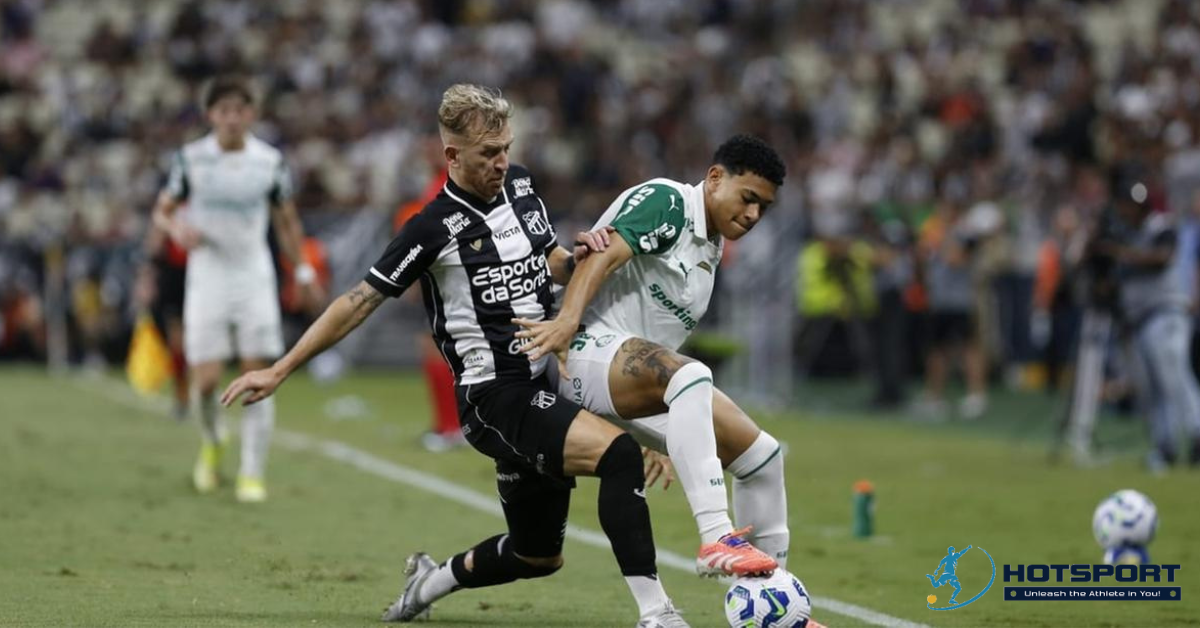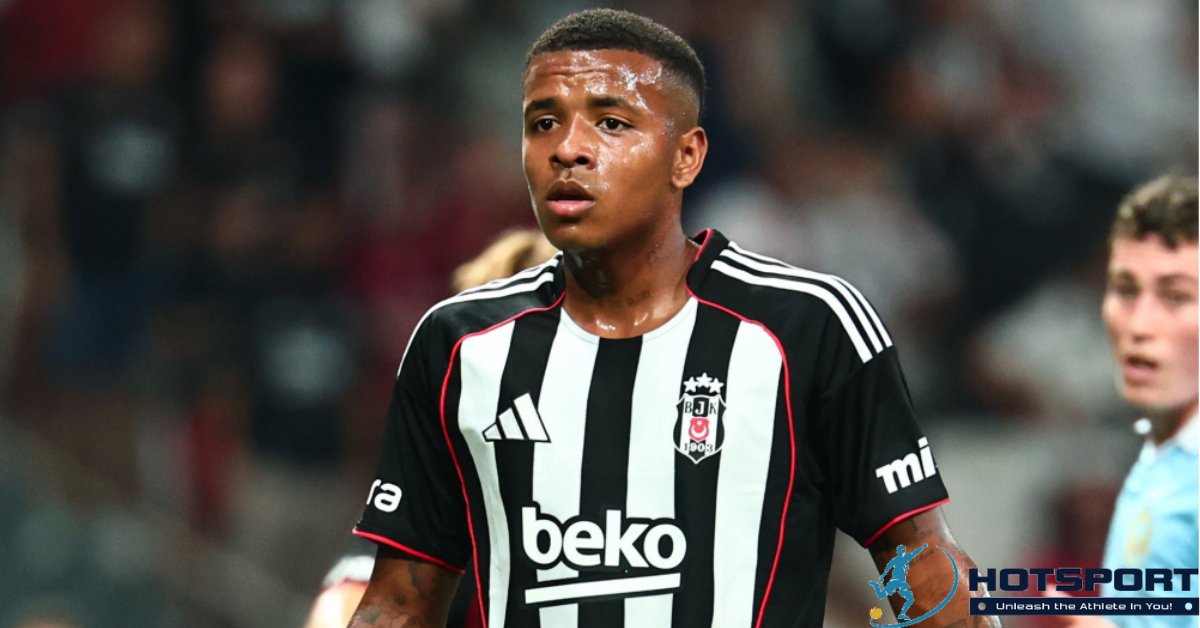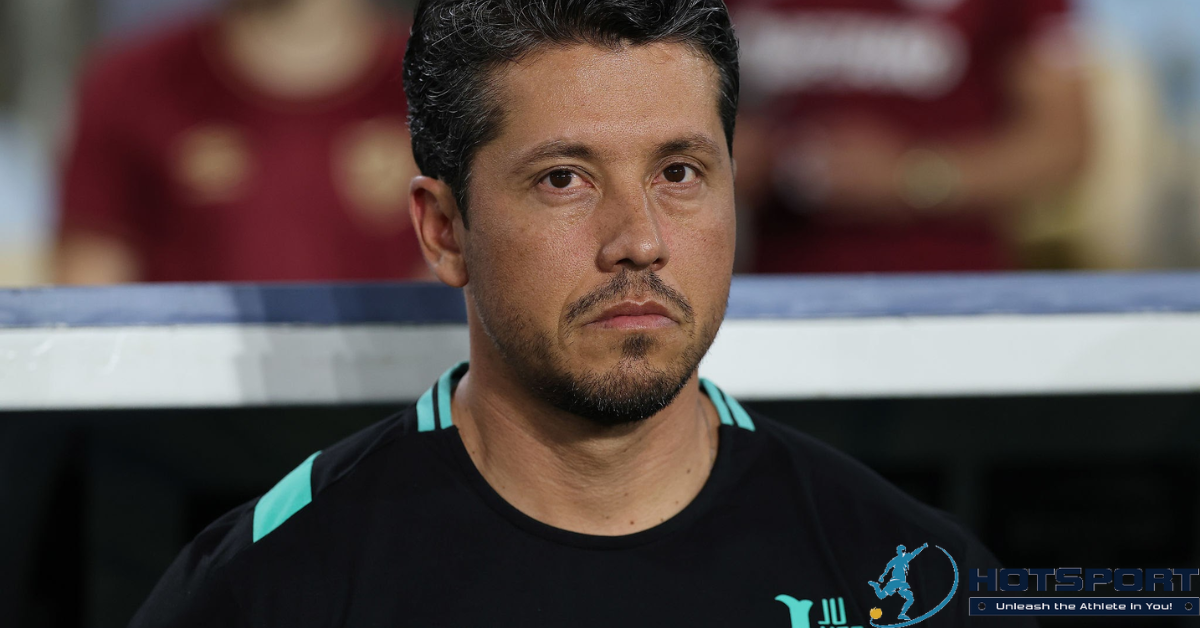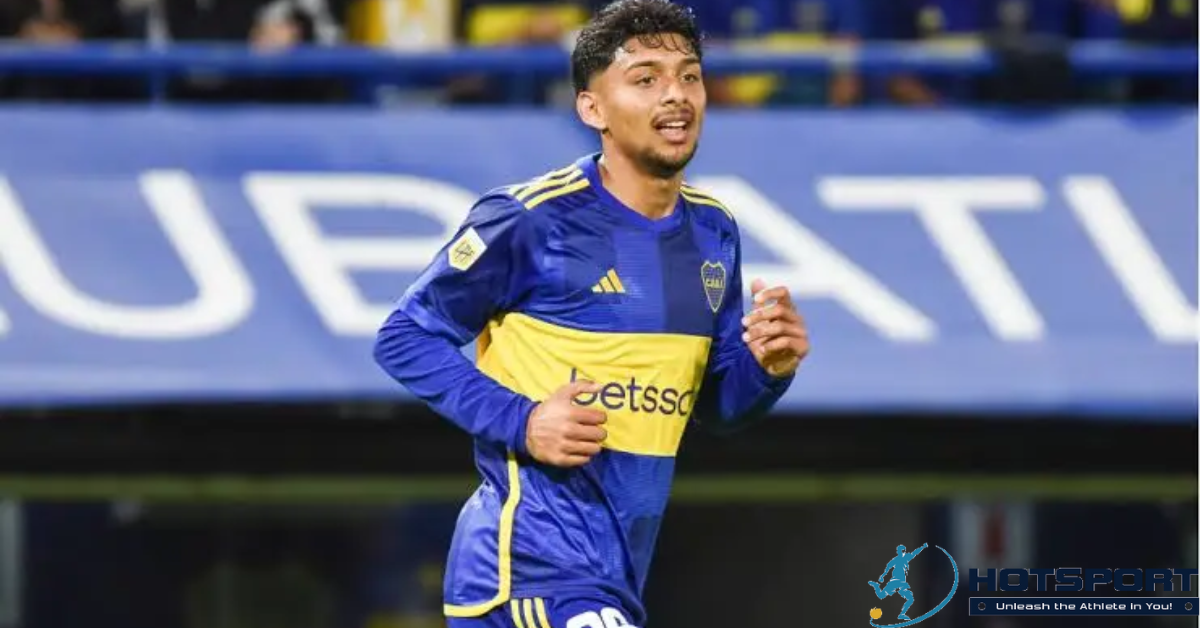
In a South American football scene that reveals talents with the speed of an unpredictable dribble, Keny Arroyo emerges as one of the most exciting prospects of the new generation. At 19 years old, the Ecuadorian from Guayaquil already has on his resume stints at heavyweight clubs in South America and Europe, and now, since September 2025, wears the Cruzeiro shirt in the pulsating heart of the Brasileirão. His arrival in Belo Horizonte was not just a transfer; it was the beginning of a story that mixes youthful boldness with touches of genius on the field. Standing at 1.76 meters with a left foot sharp as a blade, Arroyo plays as a right winger, but his versatility allows him to dance between the lines, confusing defenders with lightning accelerations.

What makes Keny special is not just raw talent, but the way he adapts. At Cruzeiro, in just a few months, he has already accumulated appearances and goals, impressive numbers for a newcomer in a league as competitive as Série A. His debut at Mineirão was marked by a goal that lifted the crowd, a placed shot after a feint that recalled the great masters of Brazilian football. But Arroyo goes beyond numbers: he represents the bridge between Ecuadorian football, known for exporting stars like Moisés Caicedo, and the frantic rhythm of Brazil. In December 2025, with the Brasileirão nearing its end, he remains a key piece in Vanderlei Luxemburgo’s setup, helping the team fight for positions in the table. Recently, on December 7, he came on in the second half against Santos and nearly changed the scoreline with an assist denied by inches. He is the kind of player who makes fans dream of World Cups and continental titles.

The Beginning of the Journey: From the Streets of Guayaquil to the Dream of Football

Born on February 14, 2006, in Guayaquil, the vibrant and chaotic port capital of Ecuador, Keny Alexander Arroyo Alvarado grew up in an environment where football is not just a sport, but survival and identity. Affectionately known as “Cheche” among friends and family, he started kicking a ball on the dusty streets of the city, inspired by stories of local idols like Iván Kaviedes. At seven years old, he joined the Academia Alfaro Moreno, a talent factory that shaped his technical foundation. There, he learned the basics: close ball control, short passes, and the art of reading the game in tight spaces.

In 2016, at just 10 years old, came the leap: entry into the Independiente del Valle academy, one of the most visionary clubs in South America. IDV, famous for its training method inspired by Dutch Ajax, saw in Arroyo a rough diamond. Over seven years, he climbed the youth categories, alternating between attacking midfield and winger. His coaches highlighted his natural agility and goal instinct, even being left-footed in a world that favors right-footers. “He has a spark that can’t be taught,” said a former coach in an old interview, recalling how Keny led training sessions with dribbles that seemed like samba improvisations.

Guayaquil, with its humid heat and constant market noise, forged Arroyo’s resilient character. Son of a modest family, he balanced football with studies, dreaming of lifting his parents out of daily routine. This determination led him to captain youth teams, where he scored dozens of goals in local tournaments. It was during this period that he earned the nickname “Cheche,” a playful nod to his tireless energy, like an engine that never stops. By the end of his teens, at 18, the football world was already whispering his name, comparing him to young talents like David Neres for his fluidity on the field.

Professional Debut and Rise at Independiente del Valle

The transition to professional came in December 2023, a milestone Arroyo will never forget. Just turning 17, he debuted for Independiente del Valle’s first team in a match against Nacional, coming on in the second half of a 2-1 defeat. Despite the bitter result, his touch on the ball was electric: a sharp dribble that left a defender on the ground and a dangerous cross. “I felt the weight, but it was what I wanted,” he later confided in a rare interview with Ecuadorian press.

In the following seasons, Arroyo established himself as a rotational piece in IDV’s squad. In games up to 2025, he scored goals and provided assists that paved victories in the Ecuadorian LigaPro. His best moment came in the Copa Libertadores Sub-20, where he shone with vertical dribbles and mid-range shots, helping the team advance stages. Independiente del Valle, always attentive to lucrative exports, invested in his development, and the return came quickly: in February 2025, Beşiktaş from Turkey paid around six million euros for his services. It was recognition of a talent that mixed explosive speed with game vision, rare qualities in an 18-year-old.

Meanwhile, Arroyo stood out in Ecuador’s youth national teams. For the U-17s in 2023, he played in the South American Championship and the FIFA World Cup in that category, with games and goals. His performance against Brazil, with a decisive penalty goal, put him on European scouts’ radar. “He plays without fear, as if the field were his,” commented a scout after the tournament. This rapid rise, from Guayaquil boy to rising star, reflects IDV’s model: train, shine, and sell.

The European Adventure: Challenges and Learning at Beşiktaş

Arriving in Europe at 19 is a rite of passage for any South American, and Arroyo was no exception. In February 2025, he signed with Beşiktaş in Istanbul, a historic club in the Turkish Süper Lig. Adapting to the European cold and the more physical local football style was a shock. “The ball rolls differently here, faster and with more pressure,” he admitted in a press conference, his first mixing Turkish with English.

At Beşiktaş, Arroyo played several matches, scoring a goal and showing flashes of brilliance in wing dribbles. Highlight for a game against Galatasaray, where his acceleration left the rival defense behind, resulting in an assist. However, minor injuries and competition from veterans limited his playing time, leading to frustrations—including social media posts about lack of minutes, which he later attributed to youthful anxiety. It was six months of learning: he improved marking and defensive positioning, essential in more tactical leagues.

The stint in Turkey, though brief, raised his market value to nine million euros by December 2025. Arroyo returned more mature, with experience that prepared him for the organized chaos of Brazilian football. “Istanbul taught me patience,” he said upon arriving at Cruzeiro. This short but intense European experience transformed him from a local prospect into a global bettor.

New Chapter at Cruzeiro: Adaptation and Impact in the Brasileirão

September 2025 marked Arroyo’s return to South America, but with fanfare: Cruzeiro paid eight million euros to take him from Beşiktaş, tying him until December 2029. The choice for Brazil was not random; he always admired the league’s offensive style, and Cruzeiro, in reconstruction, saw in him the difference to fight for titles. His presentation at Mineirão, with over 20,000 fans, was a spectacle: shirt 99 on his back, he promised to “play with the Raposa heart.”

Adaptation was surprisingly quick. In Série A games up to December, Arroyo scored goals and provided an assist, with valuable minutes as a starter in clashes against Corinthians and Botafogo. His goal against Corinthians in November, a shot from outside the area that kissed the post before going in, is already iconic among Celeste fans. Off the field, he integrated into Minas Gerais culture, learning slang and attending barbecues with teammates like Matheus Pereira. Luxemburgo praises his humility: “He trains as if it were a Cup final.”

In December 2025, with the championship in its final stretch, Arroyo remains a versatile option, alternating between winger and attacking midfielder. His contribution in the Copa do Brasil, with a goal in the round of 16, reinforces optimism. Cruzeiro, flirting with the G-6, owes much to him for dreaming big in 2026.

International Career: From Youth Levels to the Senior National Team

Ecuador, a nation that surprises in World Cups, found in Arroyo a future pillar. For the U-17s, he was key in 2023 tournaments, scoring in decisive phases. The jump to the senior team came in October 2024, during qualifiers for the 2026 World Cup. His debut against Uruguay was discreet—a 0-0 draw as a substitute—but promising. With call-ups up to 2024, he has games without goals, but performances that catch Félix Sánchez’s eye.

Arroyo dreams of wearing La Tricolor at the World Cup, and his recent call-ups for 2025 friendlies keep him on the radar. “Representing Ecuador is everything,” he says, echoing Guayaquil’s pride.

Playing Style and Unlimited Potential

What defines Keny Arroyo? A mix of pure speed and refined technique. Naturally left-footed, he explodes in short accelerations, dribbles in minimal spaces, and finishes with power. His quick combinations and varied passes make him unpredictable, while agility allows direction changes that disarm markers. Similar to Neres, he has flair and shot power to decide games alone. Weaknesses? Consistency in physical duels, something Europe helped mitigate.

With potential rated high by scouts, Arroyo could be a world-class star if he keeps his head in place.

Future Prospects: A 2026 of Conquests

In December 2025, with Cruzeiro eyeing the Mineiro and Libertadores, Arroyo is the name on fans’ lips. His recent evolution, including solid performances against Ceará and Santos, signals a golden year ahead. Hot updates: rumors of interest from European giants return, but he focuses on the present. Keny Arroyo is not just a player; he is proof that Ecuadorian talent flourishes where there is opportunity. Brazil, with its cauldron of passions, seems the perfect stage for him to shine even more.

Trending Post

National Football

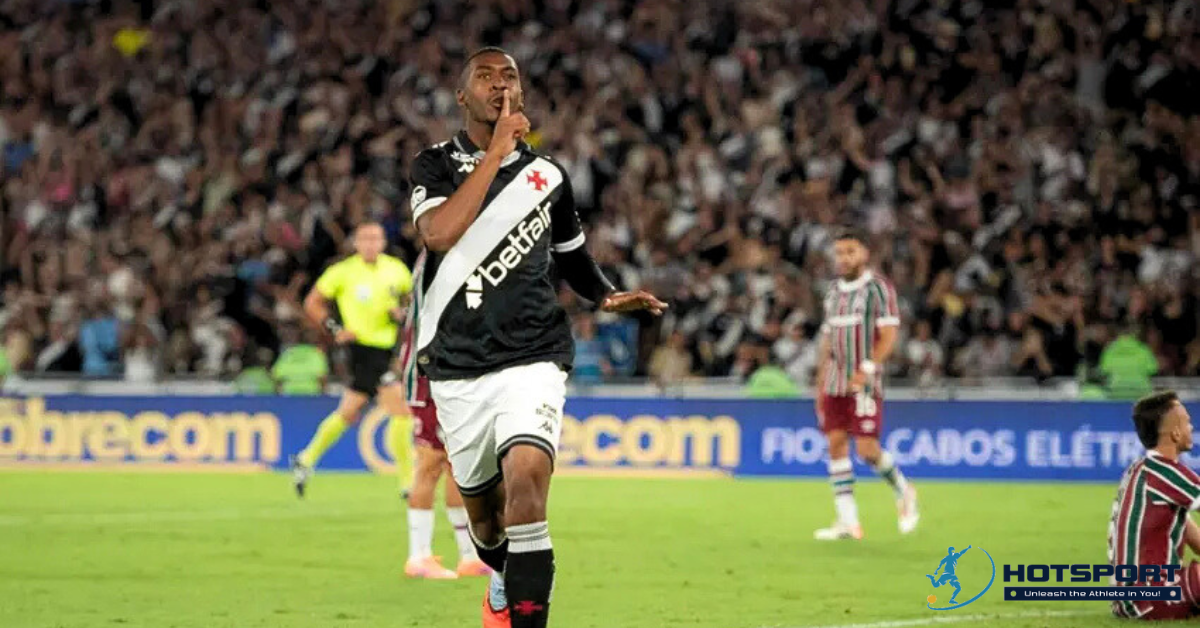
Introduction – Vasco da Gama vs. Fluminense: a dramatic derby, record attendance, and a historic comeback.

On the night of December 11, 2025, in one of the most anticipated matches of the Brazilian season, Vasco da Gama and Fluminense provided the public with one of the most electrifying games of the 2025 Copa do Brasil. The first leg of the semi-final at the mythical Maracanã Stadium ended with a dramatic 2-1 victory for Vasco, in a comeback in stoppage time of the second half that will remain in the memory of the fans.

The Rio de Janeiro derby has already begun amidst high expectations, with over 64,000 fans in attendance — the largest crowd of the competition so far, and also registering the highest revenue of the Copa do Brasil season (around R$ 7.45 million).

Fluminense took the lead with a goal in the first half, but Vasco showed resilience, equalized early in the second half, and only secured the victory in the final minutes with a decisive header from Argentinian Pablo Vegetti. This win puts Vasco in an advantageous position for the second leg and gives the team a nearly direct route to the 2025 Copa do Brasil final, putting pressure on Fluminense to win by two goals or by one to force a penalty shootout.

This article provides a complete analysis of the Vasco da Gama vs. Fluminense match, including pre-game context, confrontation tactics, detailed statistics, the impact of the victory, and projections for the return leg.

Pre-game context – rivalry, strategy and atmosphere at the Maracanã: Vasco da Gama vs. Fluminense

Vasco da Gama: the need for prominence and the pressure from the fans.

Vasco arrived for the match steeped in tradition and under intense pressure from the fans. The club had experienced periods of inconsistency throughout the season, alternating between good results and lackluster performances, especially in the Brazilian Championship. Therefore, the Copa do Brasil represented not only a chance for a title, but a real possibility to regain confidence and adopt a more assertive approach for the remainder of the season.

Inside the Maracanã, expectations were extremely high. From the start, the Vasco fans pushed the team forward, transforming every run, every pass, and every challenge into a moment of high emotional tension. The atmosphere directly influenced the team’s performance, which began nervously but grew stronger as the minutes passed and adapted to the demands of the game.

Fluminense: tactical balance and early advantage

On the other side, Fluminense delivered a solid performance, especially in the first half, building their game with patience, ball possession, and planned transitions. The coach assembled a team that sought to neutralize Vasco’s pressure and take advantage of their chances from set pieces or quick transitions.

The lead in the first 45 minutes seemed to reflect technical dominance, with Fluminense controlling the pace, exchanging passes and making subtle infiltrations — culminating in Serna’s goal. However, by retreating a bit more after opening the scoring, the Tricolor ended up conceding space to Vasco in the second half.

Lineups & Strategies – how the teams structured themselves: Vasco da Gama vs. Fluminense

Vasco da Gama’s strategy

Vasco started determined to control possession and press in the final third. Coach Fernando Diniz set up a dynamic 4-3-3 formation, with Rayan constantly moving forward and Andrés Gomez creating space on the wings. The objective was to force the Fluminense defense into disarray and open up avenues for infiltrations down the flanks.

After conceding the goal, Vasco adjusted their marking in midfield and accelerated the transition, increasing verticality and looking for more direct passes to Rayan and Vegetti. This adjustment was crucial in turning the game around, especially in terms of converting plays into clear goal-scoring opportunities.

Fluminense’s tactics

Fluminense adopted a balanced 4-3-3 formation, focusing on ball circulation through the midfielders and a strong defensive presence in the midfield. The idea was to control segments of the game, win duels in the center, and launch precise attacks.

The Fluminense team showed organization in the first half, significantly limiting Vasco’s penetrations and dominating the action until taking the lead. However, after the break, with Vasco accelerating and seeking greater depth, Fluminense ended up retreating too much, making it easier for the home team to recover.

Summary by time – phases of the Vasco da Gama vs. Fluminense match

First Half – Fluminense imposes its rhythm and opens the scoring.

In the first half, Fluminense was superior in possession control and game reading. In the 22nd minute, Kevin Serna took advantage of a well-worked play through the middle and finished with precision to open the scoring, confusing Vasco’s defensive system and giving Tricolor the emotional control of the match.

This goal changed the approach of both teams: Fluminense dropped deeper to protect their lead, and Vasco needed to reorganize their structure to respond more incisively. The first half ended with Fluminense more confident and Vasco looking to make adjustments for the second half.

Second Half – Draw, Comeback, and Vasco’s Emotional Domination

In the final stage, Vasco returned more aggressive and direct. Just 4 minutes in, Rayan equalized the score after taking advantage of a defensive error by Fluminense and reacting quickly, taking the game to a new emotional level.

The remainder of the first half was balanced, with Fluminense trying to maintain their organization, while Vasco cautiously grew stronger in the attacking third. In stoppage time, at the 48th minute, Pablo Vegetti rose high after a precise cross to head the ball in and secure the comeback victory — a dramatic conclusion to such a closely contested match.

Complete statistics – Vasco da Gama vs. Fluminense

StatisticVasco da GamaFluminense
Goals21
Ball possession (%)56.8%43.2%
Shots (total)1311
Shots on target43
Corner kicks86
Yellow cards20
Goalkeeper saves22
Goals per half: 1st / 2nd0 / 21 / 0
Audience present64,99064,990
Paying public61,98361,983
Revenue collectedR$ 7,453,018.50
Headed goals10
Possession time in the final third~22%~18%

The statistics show that, although Vasco stood out more in the last 45 minutes, the game had great technical balance and emotional intensity in all sectors.

Impact of Vasco da Gama vs. Fluminense on the 2025 Copa do Brasil

Vasco – high strategic and moral advantage

With the victory, Vasco has a clear advantage in the semifinal match. The Cruz-maltino team can now advance to the final of the 2025 Copa do Brasil with a draw in the return leg, scheduled for December 14, 2025, again at the Maracanã, at 8:30 PM — a scenario that makes the dramatic triumph of this Thursday even more valuable.

The comeback also boosts the team’s confidence and reinforces the identity of a team capable of reacting under pressure. The performance in the second half and the ability to convert chances in crucial moments show emotional maturity that could be decisive for the remainder of the season.

Fluminense – tactical challenge and the need for a reaction

For Fluminense, the defeat after taking an advantage represents an emotional setback. The team will need to adjust its strategy for the return match, especially regarding defensive transitions and maintaining possession in more advanced areas.

The need to win by two goals or by one to force a penalty shootout increases the pressure on the Tricolor team, demanding a strong collective response in a derby that promises to be as tense as the first leg.

Extra Sections – Game Dynamics and Decisive Factors

Influence of added time and fan pressure

The comeback in stoppage time is not just a detail – it’s the expression of a game shaped by the atmosphere of the Maracanã. The Vasco fans, who broke attendance and revenue records for the 2025 Copa do Brasil, pushed the team forward in critical moments, creating a psychological effect that was directly reflected in the turnaround.

Collective and individual analysis: who stood out?

The highlight goes to Rayan, who scored the equalizer with precision and intelligent movement, and Pablo Vegetti, who showed excellence in aerial play to decide the game in stoppage time. Meanwhile, Fluminense showed good tactical awareness in the first half, but conceded space in the second, opening the way for Vasco’s comeback.

Conclusion – Vasco da Gama vs. Fluminense: comeback, tactical advantage, and emotional legacy.

The match between Vasco da Gama and Fluminense was one of the most intense events of the 2025 Copa do Brasil, proving that derbies can decide not only results, but also the trajectory of a season. Vasco, pressured by the fans and the need for a victory, showed resilience and growth throughout the game. The 2-1 comeback, achieved in stoppage time, symbolizes not only the team’s technical ability, but also the emotional and tactical strength that Fernando Diniz managed to extract from his players.

On the other hand, Fluminense had an efficient reading of the game at the start, establishing an advantage with Kevin Serna’s goal and controlling the pace until halftime. However, the inability to maintain this advantage in the second half exposed vulnerabilities that Vasco exploited quickly and precisely.

The combination of a massive crowd, record revenue, and a dramatic comeback reinforces the value of this match in the narrative of the 2025 Copa do Brasil. Vasco’s advantage now puts the team in a strategic position to decide the tie at home and increase their chances of reaching the final—something that sparks emotional and sporting expectations throughout the Vasco da Gama nation.

FAQs – Frequently Asked Questions about Vasco da Gama vs. Fluminense

1. What was the score of the game?
Vasco da Gama beat Fluminense 2-1 in the semi-final of the 2025 Copa do Brasil.

2. Where was the match held?
The match was held at the Maracanã Stadium in Rio de Janeiro.

3. Who scored the goals?
Kevin Serna (Fluminense), Rayan (Vasco) and Pablo Vegetti (Vasco).

4. What was the attendance?
64,990 fans, a record for the 2025 Copa do Brasil.

5. What was the revenue from the match?
R$ 7,453,018.50, the highest of the competition so far.

6. When will the second leg be?
December 14, 2025, at 8:30 PM, also at Maracanã.

7. What does Vasco need to advance?
A: With a draw in the second leg, Vasco advances to the final.

8. Does Fluminense still have a chance of reaching the final?
Yes — they need to win by two goals or by one to force a penalty shootout.

9. Did Vasco dominate possession?
Yes — 56.8% possession, reflecting greater control of the game.

10. What was the highlight of the game?
The comeback in stoppage time and the presence of the fans, which raised the emotional level of the match.

Introduction – Cruzeiro vs. Corinthians: tension, history, and the weight of the Copa do Brasil

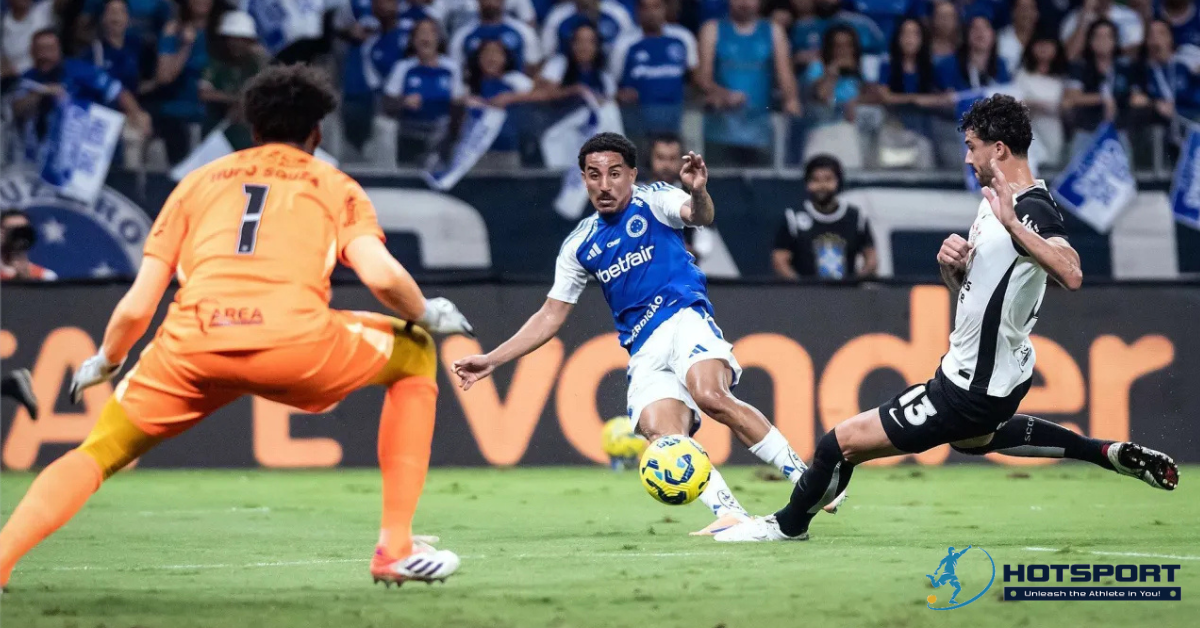
On the night of December 10, 2025, the Mineirão Stadium in Belo Horizonte was the stage for a tense and decisive clash in the semi-final of the 2025 Copa do Brasil between Cruzeiro and Corinthians. In a game marked by historic rivalry and the dream of reaching the final of the most exciting competition in Brazilian football, the teams staged a nervous, balanced and emotion-filled match — the result of months of preparation and an intense schedule for both.

Cruzeiro, a traditional club from Minas Gerais with a large fan base and important titles in Brazilian football, took to the field looking to take advantage of playing at home and bounce back after recent ups and downs in the Brazilian Championship. The team was motivated by the chance to win its 7th Copa do Brasil title, a historic objective that had driven the squad since the earlier stages of the tournament.

On the other side, Corinthians, one of the biggest clubs in the country, sought to impose its experience and defensive solidity to leave Belo Horizonte with an advantage going into the decisive match. Timão had been consolidating good results and brought to Mineirão a competitive and determined team, led by standout figures like Memphis Depay, who would become the protagonist of the night.

The match, valid for the first leg of the semi-final, not only pitted two giants against each other, but also tested nerves, tactical planning and the ability to react under pressure — ingredients that make the Copa do Brasil one of the most unpredictable and intense competitions on the Brazilian calendar.

Context and Tension Before Cruzeiro vs. Corinthians

Cruzeiro: Open arms to history and mission at Mineirão

Cruzeiro arrived at the match strengthened simply by the fact that they were playing in front of their home crowd at Mineirão, a stadium with a tradition of big matches and intense atmosphere. The expectation was for a proactive team, one that would seek to dominate the game from the start and use the energy of the fans to create superiority in offensive plays.

However, Cruzeiro also faced questions. The team had been coming off mixed results in the Brazilian Championship and needed to balance physical intensity with tactical clarity to face an experienced and well-structured Corinthians. The focus was on being aggressive, taking advantage of quick transitions, and turning attacking opportunities into concrete goals.

The pressure on Cruzeiro was twofold: not only to advance, but to do so with authority in front of their fans, writing a positive page in the club’s history.

Corinthians: experience, strategy, and the mission to come out on top.

For Corinthians, the mission was to enter the Mineirão stadium with patience, composure, and the ability to withstand the initial pressure from their rival. Timão knew that, even away from home, they could impose their rhythm and wait for the right moment to attack.

Tactically, the team relied on defensive solidity, tight marking, and quick transitions with quality players in attack. Memphis Depay, with his goal-scoring instinct, would become a key player in breaking down the resistance of the Uruguayan defense.

Corinthians knew how to leverage their experience in decisive matches to build an efficient plan — focusing on defensive organization and passing that maximized every chance created.

Lineups & Strategies – Tactical Analysis of Cruzeiro vs. Corinthians

Cruzeiro started with a balanced formation, looking to exploit the flanks and create opportunities to penetrate down the wings. The idea was to take advantage of the presence of fast players on the flanks and infiltrate with crosses into the box. The team also relied on ball possession to dictate the initial pace of the match.

Corinthians, in turn, opted to compact their lines, reduce space, and work on quick counter-attacks. Their reading of the game allowed Depay, Yuri Alberto, and other forwards to receive the ball in scoring positions.

Tactically, the difference lay in Corinthians’ ability to neutralize Cruzeiro’s pressure and exploit the space conceded when the opponent became too exposed. This balanced approach ended up being decisive for the only goal of the match.

First Half – Fast pace, opportunities, and Memphis Depay’s goal.

The game started intensely from both sides. Cruzeiro, supported by the Mineirão stadium, sought to impose their game from the first moments, with quick passing and a constant presence in the attacking third. Despite this, Corinthians showed tactical discipline, maintaining a compact defensive block and waiting for the right moment to attack.

In the 21st minute of the first half, during a quick counter-attack, Memphis Depay received the ball in an open space and finished precisely into the corner, opening the scoring for Corinthians. The goal was a cold shower for Cruzeiro and highlighted the difference between the teams in the first half, transforming the technically balanced duel into a psychological advantage for Timão (Corinthians).

After the goal, Corinthians managed to control the game better, exploiting counter-attacks and maintaining a balance between defense and offensive transition. The narrow scoreline, however, filled both sides with hope for the second half.

Second Half – Control and pressure until the final whistle.

In the final stage, Cruzeiro returned even more offensively, determined to seek the equalizer and reopen the match. The team showed offensive presence and tried to break through Corinthians’ lines with infiltrations and attempted crosses. However, the solid marking of the São Paulo team prevented the chances from materializing into goals.

Corinthians, playing with balance, prioritized maintaining their lead and sought to manage possession at opportune moments to slow the pace of the game. There were still dangerous plays, changes of rhythm, and substitutions made by both teams, but the score remained 0-0 for the Minas Gerais side until the final whistle.

The 1-0 victory at Mineirão represented more than just a simple result: it was a triumph of strategy and composure against an opponent pressured by the need to find an equalizer.

Complete statistics – Cruzeiro vs. Corinthians

StatisticCruiseCorinthians
Goals01
Ball possession53%47%
Total shots106
Shots on target22
Corner kicks112
Yellow cards13
Goalkeeper saves12

Despite Cruzeiro having more possession and shots on goal, Corinthians proved more efficient in the decisive moments to secure the advantage in the first leg.

Impact of Cruzeiro vs. Corinthians on the 2025 Copa do Brasil

Cruzeiro – The challenge of overturning the away deficit.

The home defeat complicates Cruzeiro’s mission. Now, the team will need to seek a positive result in the return match, scheduled for the Neo Química Arena in São Paulo, to try and reach the final. Despite the setback, Cruzeiro still has a chance and could surprise if it maintains its intensity and organization.

Corinthians – Psychological and tactical advantage on the road to the final.

Corinthians, with a narrow advantage, emerges strengthened. Playing with composure, efficiency, and a well-organized structure, the team can now manage the home game and seek to secure a place in the final. The team’s confidence is likely to grow after a solid away performance.

This result also demonstrates Corinthians’ tactical strength in decisive matches, especially when they manage to neutralize attacks and exploit spaces at the right moments.

Context of refereeing and discipline on the field

One point that also stood out was the disciplinary control of the match. Corinthians received more yellow cards, reflecting the intensity of the confrontation and the need for interruptions to contain Cruzeiro’s quick transitions. The referee played an active role in maintaining the balance and security of the match, without major controversial incidents.

Decisive factors in Cruzeiro vs. Corinthians

Ball possession versus offensive efficiency

Although Cruzeiro controlled possession for much of the game, this statistic did not translate into a lead on the scoreboard. Corinthians showed that, in knockout matches, offensive efficiency and defensive organization can overcome territorial control.

Physical demands and wear and tear on the teams.

Both teams face an intense schedule in the second half of the season, which directly influences physical performance. The balance of time and the ability to maintain intensity for 90 minutes were key factors in this match.

Conclusion – Cruzeiro vs. Corinthians: Important advantage and pending decisions

The Cruzeiro vs. Corinthians match in the 2025 Copa do Brasil semi-final ended with a 1-0 victory for Corinthians — a result that, although narrow on the scoreboard, has a significant emotional and sporting impact on the tie.

Corinthians demonstrated a clear strategy, knowing how to efficiently take advantage of their offensive momentum and balance their defensive posture in the face of intense pressure from Cruzeiro at Mineirão. The away victory brings a psychological advantage and tactical stability, something crucial in decisive phases.

On the other hand, Cruzeiro, despite dominating possession for part of the game and balancing the play at various points, failed to convert its territorial superiority into goals—something that could prove costly in the semifinals. The team now faces a clear mission: to react in the second leg, play assertively, and take advantage of the opportunities that will surely arise in such a highly competitive match.

The Copa do Brasil, known for its twists and turns and drama, has yet to deliver its conclusion. The advantage gained by Corinthians is significant, but far from definitive. The excitement continues, the chances are still open — and the return leg promises to be one of the most hotly contested matches of the season.

FAQs – Frequently Asked Questions about Cruzeiro vs. Corinthians

1. What was the score of Cruzeiro vs. Corinthians in the 2025 Copa do Brasil?
Cruzeiro 0-1 Corinthians, goal by Memphis Depay at 22′.

2. Where was the game played?
Mineirão Stadium, in Belo Horizonte (MG).

3. When will the second leg be played?
On December 14, 2025, at 6 PM, at Neo Química Arena.

4. Who scored the winning goal of the match?
Memphis Depay scored the only goal of the match.

5. What does Cruzeiro need to do to qualify?
Win by 2 or more goals to advance in regulation time, or win by 1 goal to decide the tie on penalties.

6. Can Corinthians qualify with a draw?
Yes — with a draw in the second leg, Corinthians advances to the final.

7. What was the ball possession percentage in the game?
Cruzeiro dominated possession with approximately 62.8%, while Corinthians had around 37.2%.

8. Who was the standout player?
Memphis Depay, scorer of the goal and a key figure in Corinthians’ offensive strategy.

9. How did the refereeing influence the game?
The refereeing maintained firm control, issuing cards and penalties to manage the pace of the semi-final—with few truly controversial incidents.

10. How important is this game in the 2025 Copa do Brasil?
It’s crucial in determining who reaches the final — Corinthians has an advantage and can manage it in the second leg, while Cruzeiro will need to react under pressure.

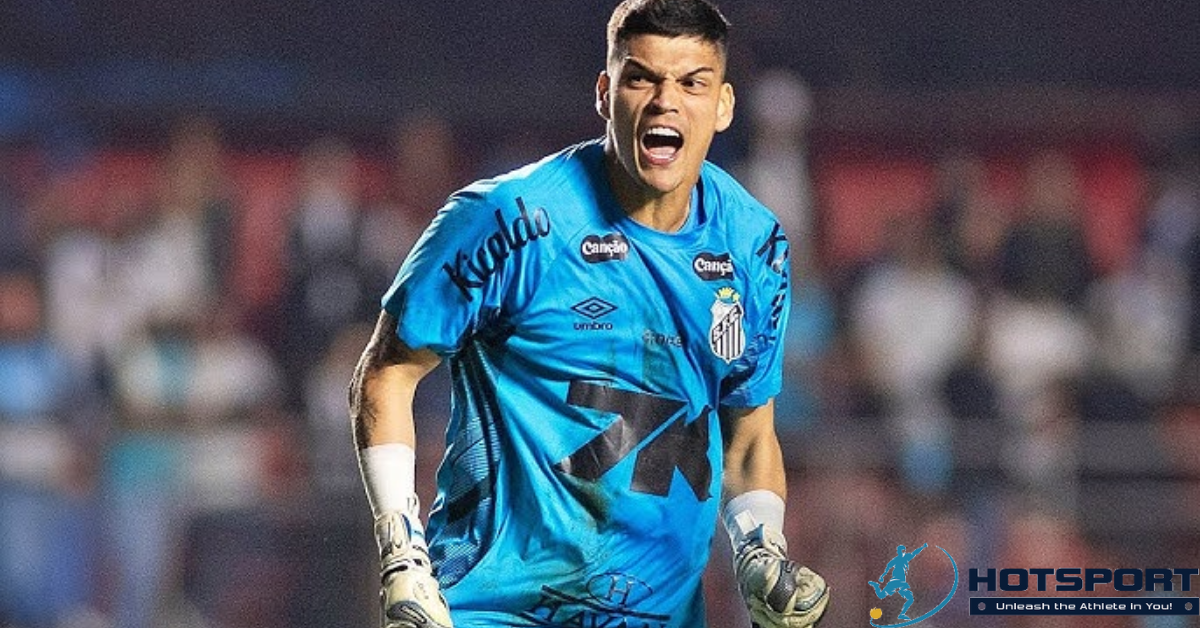
Gabriel Brazão, with his 1.92m frame and razor-sharp reflexes, has become an indispensable figure in Brazilian football. At 25 years old, the goalkeeper born in Uberlândia, Minas Gerais, carries a story of overcoming adversity that stretches from Cruzeiro’s youth academy to multi-million-euro negotiations with European giants. At Santos FC, he not only played a key role in winning the 2024 Série B title but has also stood out in the 2025 Brasileirão top flight, topping the global ranking for difficult saves. In this feature, we dive into the journey of this young talent who, in December 2025, is attracting interest from Bayern Munich while dreaming of cementing his legacy at a club steeped in tradition.

Early Days: From Uberlândia Streets to Cruzeiro

It all began in Uberlândia, a city in Minas Gerais’ Triângulo Mineiro region known for its scorching heat and for quietly producing gems. Gabriel Nascimento Rezende Brazão was born on October 5, 2000, into a humble family that saw football as a way out. From an early age, the boy stood out in street kickabouts and local tournaments with safe hands and fearless courage that caught scouts’ eyes. At 13, in March 2014, he moved to Belo Horizonte to join Cruzeiro’s youth setup, leaving behind his first club, Uberlândia Esporte Clube.

At Cruzeiro, Brazão found a highly competitive environment. The three-time Libertadores champion invested heavily in goalkeeper development, and he quickly rose above the rest. He trained alongside names like Rafael (who later became a starter) and soaked up lessons from the legendary Fábio, Cruzeiro’s eternal “Black Falcon.” In 2017, at just 16, he was called up to Brazil’s U-17 national team and shone at the World Cup in India, saving decisive penalties and being named the tournament’s best goalkeeper—a feat that put him on the international radar.

Back at Cruzeiro, his senior debut came in 2018, but opportunities were scarce with Fábio as the undisputed No. 1. Brazão racked up minutes in training and youth matches, dreaming of the day he’d wear the celestial shirt in a big game. Those years were intense learning. He dealt with the pressure of being compared to legends and early injuries that tested his resilience. “Cruzeiro taught me patience,” he would later say in a Globo Esporte interview. It was during this period that European scouts started circling, drawn to his imposing physique and rare ball-playing ability for a Brazilian goalkeeper at the time.

The European Adventure: Dreams, Loans, and Hard Lessons

The leap to Europe came in 2019 when Parma, of Italy’s Serie A, paid €2.5 million for the 18-year-old—a record fee for a goalkeeper sold by Cruzeiro at the time. He arrived in Italy as Luigi Sepe’s backup, but the off-field learning was priceless. Parma finished 14th, and though he didn’t debut, he trained intensely, absorbing Italian defensive tactics.

Just months later, in June 2019, he moved to Inter Milan, who had been tracking him since his Cruzeiro youth days and saw him as a future successor to Handanović. Competition was fierce—Sommer, Onana, and other youngsters all vying for spots. To gain experience, Brazão was loaned to Albacete in Spain’s Segunda División in December 2019. There, he finally made his professional debut in a Copa del Rey match, playing five games and showing composure in a shaky defense.

The 2020–21 season brought another loan, this time to Real Oviedo, also in Spain. Only three appearances, but invaluable lessons about the cold north and demanding crowds. Back at Inter in 2022, he wore the No. 31 shirt, but a left-knee meniscus injury changed everything—surgery, recovery, and another knee issue kept him sidelined for months. “The darkest moment of my career,” he later confided on Inter’s official website. Loans to SPAL and Ternana in 2023 yielded no playing time, reinforcing the need for a fresh start.

Those European years shaped Brazão. He became fluent in Italian, refined his positioning, and grew mentally. But Brazilian football—with its intensity and passion—was calling him home. Inter retained 40% of his economic rights, betting on a future payday.

Return to Brazil: Loan Back to Cruzeiro and More Injuries

In March 2022, Brazão returned to Cruzeiro on loan to fill the void left by Fábio’s departure to Fluminense. The Celeste fans welcomed their youth product like a hero, but fate had other plans. A pre-season knee injury, followed by surgeries, sidelined him for six months. When he returned, another goalkeeper had already claimed the spot. Still, his later numbers—38 Série A games in 2025 (with Santos, but echoing that resilience)—showed growth: 10 clean sheets and just 50 goals conceded in 3,398 minutes.

The loan ended in January 2023, and a frustrated but determined Brazão sought stability. Cruzeiro, mired in financial troubles, didn’t take up their purchase option. That’s when Santos, freshly relegated to Série B and in need of reinforcements, took a chance on him.

Rise at Santos: From Backup to Série B Hero

In February 2024, Brazão signed with Santos until December 2026, with Inter acquiring the remaining 60% of his rights. His debut came in May against América-MG after João Paulo’s injury. Immediate pressure—early mistakes drew boos—but he adapted quickly, becoming the undisputed starter and playing 30 of 31 Série B matches, helping the Peixe win the title with miraculous saves, including decisive penalties.

The demanding Santos fans embraced the Minas Gerais native. “Brazão is a wall!” they chanted at Vila Belmiro. In 2024, he played 31 Série B games, kept 14 clean sheets, and earned a 6.8 Sofascore rating. In November, his contract was extended to 2028—a sign of mutual trust. At Santos, he doesn’t just stop shots; he starts attacks with his feet, fitting perfectly into the team’s offensive style.

2025 Highlights: World Leader in Difficult Saves

2025 cemented Brazão as elite. Back in Série A, he played all 38 matches, conceding 50 goals but keeping 10 clean sheets. His 71.4% save percentage topped the Brasileirão, ahead of veterans like Fábio and Walter. In September, a head clash with Atlético-MG’s Igor Gomes left him with a huge bump, yet he stayed on and prevented a certain goal—a moment that went viral.

Voted the best goalkeeper of the 2025 Brasileirão in polls like Taquara News, Brazão recorded 94 difficult saves—more than Courtois or Sommer globally. In the Paulista championship, 13 games and 16 goals conceded. His market value soared to €8 million, and for a Santos side fighting relegation, he’s the anchor.

National Team Career: From U-17 Glory to Waiting for the Senior Call

The Canarinho has always been part of Brazão’s life. In 2017, he was pivotal in Brazil’s U-17 World Cup campaign, earning best goalkeeper honors. Two years later, he was a backup at the U-20 South American Championship. In 2018, at just 17, he earned two senior caps in friendlies against Uruguay and Cameroon—a rare honor.

Since then, call-ups have been sporadic, but coach Dorival Júnior keeps tabs on him. With Ederson and Alisson dominating, Brazão waits for his chance ahead of the 2026 World Cup. “I want to be ready when they call,” he said in a recent press conference.

International Interest and an Uncertain Future

December 2025 brings hot news: Bayern Munich have offered €12 million for 70% of Brazão’s rights—totaling €17 million including Inter’s share—as a long-term successor to Manuel Neuer, who turns 40 in March and has been injury-prone. Santos, needing funds for reinforcements, are considering it, though Brazão has expressed a desire to stay. Flamengo have also inquired, but his release clause is steep.

Rumors from October already pointed to Bayern, with journalist Ekrem Konur confirming interest at an estimated €15 million. For the goalkeeper, it’s a dilemma: Europe offers exposure, but Santos feels like home. “I’ll decide with my heart, but the club comes first,” he posted on X.

Conclusion: A Rising Talent

Gabriel Brazão is more than a goalkeeper; he’s a symbol of persistence. From Uberlândia to a potential Allianz Arena future, he has turned obstacles into stepping stones. At Santos, he fights for the team; in Brazil, he inspires the next generation. With 90 career appearances and a 6.8 average rating, his future is bright. Whether at Vila Belmiro or in the Bundesliga, Brazão will keep flying high. Football is grateful for talents like him.

NBA

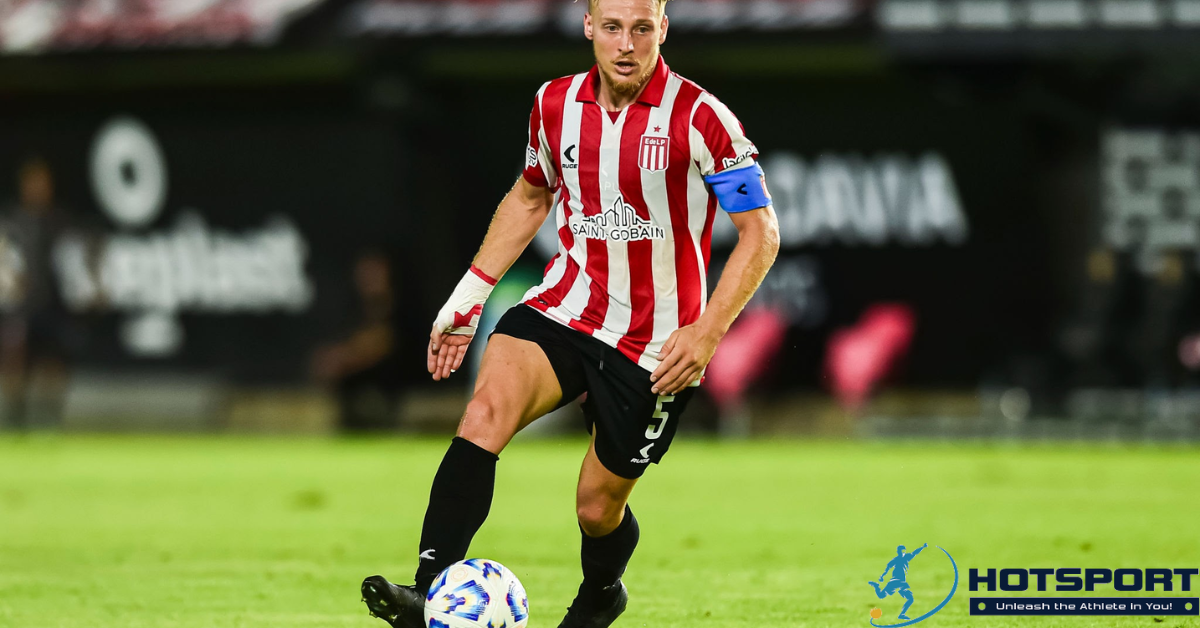
Santiago Ascacíbar is one of those players who embody what it means to be a true warrior on the pitch. Born in La Plata, Argentina, on February 25, 1997, the 28-year-old defensive midfielder stands out for his relentless intensity and precise reading of the game. At just 1.69 meters tall, he makes up for his stature with an imposing presence, winning balls like few others and dictating the tempo of matches with mastery. Currently the captain of Estudiantes de La Plata, his beloved club, Ascacíbar represents Argentine football in its purest form: passion, resilience, and a natural talent for defensive midfield.

Santiago Ascacibar of Estudiantes plays during the match bet …

His football journey began early, but not without challenges. The son of Mariana Rollero and Javier Ascacíbar, he grew up in Villa Elvira, a humble neighborhood in La Plata, alongside four siblings. From a young age, sport was his outlet, and at eight years old in 2006, he joined the youth ranks of Estudiantes. There, he caught the eye of coach Omar Rulli—father of goalkeeper Gerónimo Rulli—for his obsession with training. “He was a fan of drills, very focused on improving his technique and daily work,” recalls the coach who first saw him. Ascacíbar wasn’t just an ordinary kid; he carried a determination that set him apart, putting in extra hours to refine his passing and tackling.

Early Steps at Estudiantes and Breakthrough in the Youth System

Ascacíbar’s path through Estudiantes’ lower divisions was meteoric. In 2014, at just 17, he was already part of the reserve team, debuting against Rosario Central at the Estadio Gigante de Arroyito. His promotion came thanks to coordinator Hermes Desio, who saw in him rare potential for a holding midfielder. The following year, in 2015, he represented the club at the Frenz International Cup in Malaysia and Indonesia, alongside players born in 1997 and 1998. It was there that he began to shine internationally, displaying game vision beyond just marking.

His first-team debut came in 2015, in a match against Racing Club in the Primera División. At 18, Ascacíbar came on in the second half and immediately made an impact, recovering balls and starting counter-attacks. That year, he played 10 games, without scoring, but with an average of 2.5 tackles per match that drew attention. Estudiantes, under Mauricio Pellegrino, saw him as the future of the midfield. In 2016, Ascacíbar joined Argentina’s U-23 team for the Rio de Janeiro Olympics. Though Argentina was eliminated in the quarter-finals by Germany, his performance—with precise tackles and leadership—propelled him onto the world stage. He was the youngest in the squad but played like a veteran, inspired by idols like Javier Mascherano.

Off the pitch, Ascacíbar stood out for his humility. Even with impending success, he completed his secondary studies at Colegio de Estudiantes and enrolled in Anthropology at the National University of La Plata, on the recommendation of former player Juan Sebastián Verón, then club president. “I live with my parents and siblings; I value education,” he said in a 2017 interview. This duality—football and studies—made him a rare example in a sport often marked by excess.

The European Adventure: From Stuttgart to Hertha Berlin

The leap to Europe came in August 2017, when VfB Stuttgart signed him for around 8 million euros on a five-year contract. At 20, Ascacíbar became the youngest Argentine to join the German club. His Bundesliga debut was against Mainz, where he played the full 90 minutes and helped secure a 2-0 win. In the 2017-18 season, he appeared in 29 matches, scoring one goal and providing two assists, but his trademark was 3.2 tackles per game. Fans nicknamed him “El Ruso” for his tenacity, comparing him to a tank on the field.

At Stuttgart, Ascacíbar experienced highs and lows. The team fluctuated in the table, and he dealt with minor injuries, but his grit kept him as a starter. In 2019, he moved to Hertha Berlin for 10 million euros, seeking more playing time. There, he adapted to the more physical Bundesliga style, playing 65 games over two and a half seasons and scoring two goals. A highlight was the 2020 match against Bayern Munich, where he neutralized Thomas Müller for 80 minutes. However, the pandemic and club instability led to a loan to Cremonese in Italy’s Serie A for 2022-23, where he made 28 appearances with a crucial assist in the win over Juventus.

His time in Europe shaped Ascacíbar. He learned to handle the pressure of competitive leagues, improving his positioning and ball distribution. “German football taught me discipline; Italian, tactics,” he reflected upon returning to Argentina. Despite 103 games on the continent, homesickness for Estudiantes and family weighed heavily in his decision to return.

Triumphant Return to Estudiantes de La Plata

In July 2023, Ascacíbar signed with Estudiantes for three years, until December 2026, in a deal that ended his Hertha contract. The fee? Around 3.5 million euros—a bargain for a 26-year-old with European experience. His reunion with La Plata was emotional: in his last game in 2017, against Nacional Potosí in the Copa Sudamericana, he left to a standing ovation after a 2-0 win.

As captain since 2024, Ascacíbar transformed Estudiantes’ midfield. In the 2023-24 season, he helped the team reach the Copa de la Liga semi-finals and the Copa Sudamericana final, where they lost to LDU Quito. His stats: 35 games, 1 goal, 4 assists, with an 85% pass accuracy rate. He was the defensive pillar, recovering 2.8 balls per match and leading in interceptions.

What makes him special at Estudiantes? His emotional connection. Trained in the academy, he understands the fans like few others. In a recent interview, he said: “La Plata is my root. Playing here is like coming home after a long journey.” Under coach Eduardo Domínguez, Ascacíbar became the team’s brain, balancing marking and creation. His partnership with Tiago Palacios in midfield is lethal, with quick exchanges that dismantle opposing defenses.

2025 Season: Challenges and Brilliance in the Torneo Clausura

The year 2025 has been one of consolidation for Ascacíbar at Estudiantes. In the Liga Profesional Argentina (LPF), he has accumulated numerous appearances, contributing significantly with goals, assists, and leadership in tackles and progressive passes. A standout was the derby win over Gimnasia La Plata, among other key matches.

The Torneo Clausura was the stage for his redemption. After an irregular Apertura, Estudiantes recovered and reached the final against Racing Club on December 13. Estudiantes emerged victorious on penalties after a 1-1 draw, securing the title and qualification for the 2026 Copa Libertadores. Ascacíbar, as captain, played a pivotal role in this triumph, lifting the trophy alongside his teammates.

Santiago Ascacibar of Estudiantes de La Plata and Ezequiel …

Off the pitch, Ascacíbar remains engaged. He supports social projects in La Plata, visiting schools and promoting football for underprivileged children. His Diego Maradona tattoo on his arm symbolizes Argentine heritage, and he dreams of returning to the senior national team, absent since 2018.

Recent Updates: Transfer Rumors Stir the Market

With his contract until 2026, Ascacíbar is on the radar of major clubs. In December 2025, interest from River Plate and Boca Juniors has intensified, with River, under Marcelo Gallardo, particularly active in negotiations for 2026. However, Ascacíbar has expressed a strong preference for staying at Estudiantes or returning to Europe, prioritizing titles with his boyhood club following the recent championship success. Clubs from Brazil and abroad have also shown interest, but his focus remains on Argentina for now.

His decision may hinge on the club’s continental ambitions. “I want titles here before thinking about leaving,” he has stated recently. Market value estimates hover around 7 million euros.

The Legacy of a Warrior: Why Ascacíbar Matters

Santiago Ascacíbar transcends statistics. In an era of versatile midfielders, he is the classic: ferocious marking, vocal leadership, and a heart that beats for the team. His journey—from humble beginnings to Europe and back to his roots—inspires young Argentines. With over 150 games for Estudiantes (including youth and professional), he is a local idol.

In EA Sports FC ratings, he features around 78 overall as a CDM, praised for acceleration and defense. Videos of his tackles and skills go viral, captivating fans. For supporters, “El Ruso” is more than a player: he personifies Platense grit.

As the new chapter unfolds post-championship, the football world awaits Ascacíbar’s next move. Whether at Estudiantes, elsewhere in Argentina, or abroad, he will continue to dictate the rhythm. Because, in the end, the pitch is his territory, and he dominates it with the same obsession as when he was a boy in Villa Elvira.

Related News

MLB

Introduction – Arsenal vs Wolves

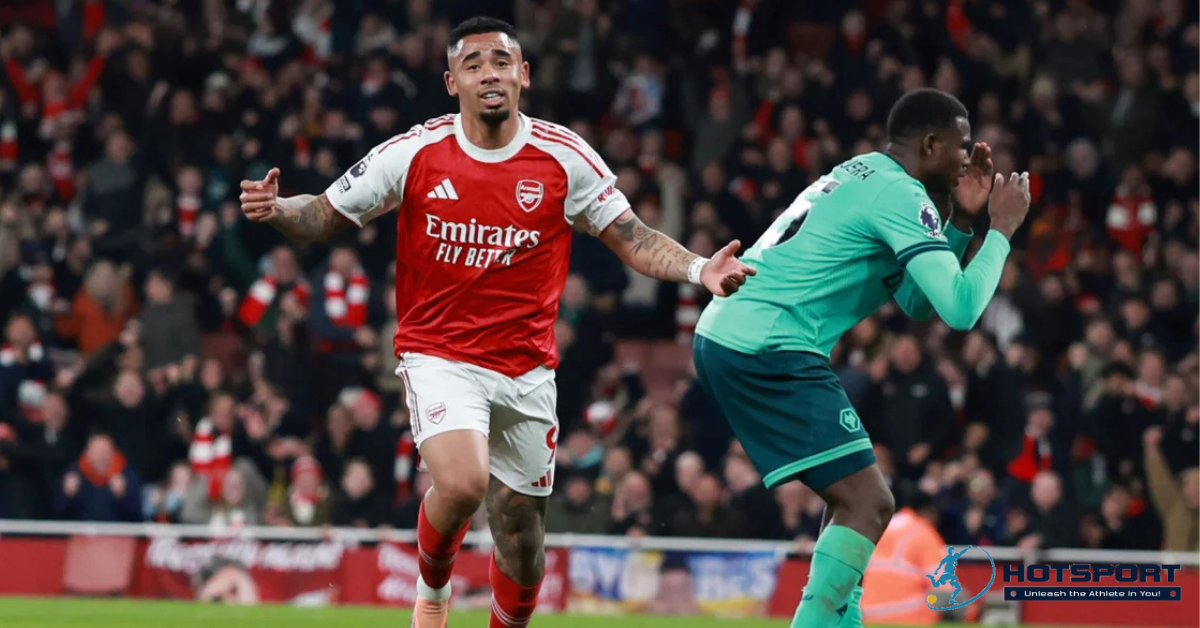
The Arsenal vs. Wolves match, played at the Emirates Stadium on December 13, 2025, has entered the list of the most dramatic games of the 2025/26 Premier League season. In a match marked by tension until the final minutes, Arsenal beat Wolverhampton 2-1, with Gabriel Jesus being the star of the night.

The victory kept the Gunners in sole possession of the lead in the English league, extending their advantage over their main rivals and reinforcing the consistency of Mikel Arteta’s team in high-pressure matches. More than just the three points, the result symbolized maturity, resilience, and the ability to react.

Wolves, for their part, made the defeat a hard-fought one. Organized defensively, competitive, and dangerous on the counter-attack, the team showed why they usually make life difficult for the big teams, even when playing away from home.

This article provides a complete analysis of Arsenal vs. Wolves, including pre-match context, tactical analysis, individual performance, detailed statistics, impact on the standings, and projections for the rest of the season.

Premier League context – The weight of Arsenal vs. Wolves

Before the Arsenal vs. Wolves match, Arsenal led the Premier League with a narrow advantage over their closest rivals. Each round became crucial, especially with Manchester City and Liverpool pressing for the title.

Games like this, against mid-table teams, have become classic traps. The Premier League doesn’t forgive distractions, and Arsenal knew that any slip-up could drastically reduce their margin for error in the race for the trophy.

Furthermore, the tight schedule increased the physical and mental demands. Beating Wolves, even without consistently shining, was crucial to maintaining control of the championship narrative.

Pre-game – Expectations and scenarios for Arsenal vs Wolves

Arsenal’s expectations

Arsenal entered the field under pressure to win. Playing at home, in front of a packed stadium, the team needed to show authority from the start, but also composure to avoid exposing themselves excessively to Wolves’ quick transitions.

Mikel Arteta opted for an offensive team, with dominant possession, high defensive lines, and constant movement in the final third. The expectation was to control the game, push the opponent back, and settle the match in the first half.

There was also special attention focused on Gabriel Jesus, who had been pressured to be more effective in his finishing. The Brazilian felt the pressure of the moment, but he also had the support of the coach and the fans.

Wolves’ expectations

For Wolverhampton, the Arsenal vs. Wolves match was an opportunity to demonstrate competitiveness against the league leaders. The team arrived in London with a clear strategy: a medium-low defensive block, compact defense, and quick attacks exploiting Arsenal’s mistakes in possession.

The team knew they would rarely have possession of the ball, so the plan was to be efficient when they had the chance. A draw would already be seen as an excellent result; a victory, as a historic achievement.

The focus was on holding on for as long as possible and exploiting Arsenal’s emotional exhaustion if the goal took a while to come.

Lineups and tactical analysis – Arsenal vs Wolves

Arsenal started in their usual 4-3-3 formation, building from the back, with full-backs pushing high up the pitch and a strong presence in the attacking third. The midfield sought quick ball circulation to open up spaces between the Wolves’ lines.

Wolverhampton responded with an extremely compact 5-4-1 formation, prioritizing closing down the central corridor and forcing Arsenal to cross the ball into the box. The strategy worked for extended periods.

Tactically, the game unfolded as an attack versus defense scenario, but with constant danger posed by the visitors’ counter-attacks.

First half – Arsenal dominate and Wolves resist.

The first half of Arsenal vs Wolves was marked by Arsenal’s overwhelming territorial dominance. Possession exceeded 65%, with constant pressure in the opposition’s half.

Despite this, Wolves defended well. The back five maintained good organization, blocking shots and intercepting crosses. The Wolves goalkeeper had a solid performance, preventing Arsenal from opening the scoring early.

Arsenal created chances but lacked finishing. Nervousness began to set in, while Wolves grew in confidence with each passing minute without conceding a goal.

Second half – Emotion, reaction, and a final decision.

The second half started more openly. Wolves began to take a few more risks and were rewarded by opening the scoring, taking advantage of a defensive lapse by Arsenal. The goal momentarily silenced the Emirates Stadium.

The Gunners’ reaction was immediate. With offensive changes and even greater pressure, Arsenal cornered their opponent. In the 75th minute, Gabriel Jesus equalized the match, finishing opportunistically inside the area.

The equalizer ignited the game. Arsenal continued attacking, while Wolves tried to hold onto the result. In stoppage time, the pressure paid off: after a ball was lifted into the area, an unfortunate deflection by the Wolves defense resulted in an own goal in the 94th minute, sealing the final 2-1 victory for Arsenal.

Gabriel Jesus – Star of the Arsenal vs Wolves match

Gabriel Jesus was the star of the game. Even though he didn’t score the winning goal, his performance was decisive. The Brazilian moved around a lot, participated in the offensive build-up, and scored the goal that put Arsenal back in the match.

Beyond the goal, Jesus played a key role in drawing defenders, creating space, and pressuring the opposition’s build-up play. It was a performance of leadership and personality, especially during a moment of great pressure.

His performance in Arsenal vs. Wolves reinforces his importance to the squad and answers recent criticism with skillful play and commitment.

Full statistics – Arsenal vs Wolves

StatisticArsenalWolves
Goals21
Ball possession67%33%
Finishing touches197
Shots on target63
Accurate passes585260
Passing accuracy88%74%
Corner kicks92
xG (Expected Goals)2.40.9
Mistakes committed1114
Yellow cards13
Goalkeeper saves24

The numbers reflect Arsenal’s superiority, but they also show how Wolves managed to be competitive within their game plan.

Impact of the result on the Premier League table.

Victories like Arsenal vs. Wolves shape the character of a squad. Winning a difficult game after falling behind reinforces collective confidence and creates a stronger internal environment for future challenges. The squad leaves the field convinced that the plan works, even when the game doesn’t go as expected.

The fans’ role was also crucial. Their constant support, even during frustrating moments, helped the team maintain its rhythm. The Emirates Stadium once again proved to be a decisive factor, transforming pressure into encouragement in the final minutes.

Furthermore, the result relieves individual pressure on key players. Gabriel Jesus, for example, responded on the field, not only with goals, but with attitude and leadership, something fundamental in a long campaign.

Consequences for Wolves after the final whistle.

For Wolves, the defeat is tough, but not disastrous. The team showed organization, discipline, and the ability to compete against the league leaders away from home. This reinforces that they are on the right track, although adjustments are still needed.

The main warning lies in managing the final minutes. In games of this level, any loss of concentration is costly. The team needs to learn to better control the pace when they are ahead or close to a positive result.

Nevertheless, the performance offers encouraging signs for the remainder of the season, especially in the fight for stability in the standings.

Reaction and atmosphere at Emirates Stadium

The Emirates Stadium experienced a night of extreme emotions. From the silence after conceding a goal to the explosion of joy in stoppage time, the fans played a crucial role in pushing their team until the very last moment.

The celebration at the final whistle reflected not only the victory, but also the feeling that Arsenal is learning to win even when not playing at their highest technical level.

Conclusion – Arsenal vs. Wolves shows the mental strength of a title contender.

The Arsenal vs. Wolves match showed that Arsenal no longer relies solely on brilliant performances to win. In a tight, emotionally demanding game decided by details, the team demonstrated maturity, balance, and confidence in their own plan. Even after falling behind, they maintained their organization and believed until the end.

The comeback symbolized the team’s mental strength. Gabriel Jesus’ goal was crucial in getting the team back into the game, while the constant pressure in the final minutes forced the mistake that secured the victory. It wasn’t by chance, but a direct consequence of persistence, game reading, and sustained attacking pressure.

Beyond the three points, the result reinforces a clear shift in level. Arsenal has learned to suffer, to deal with defensively-minded opponents, and to win even when their technical performance isn’t dominant. This type of game often separates good teams from championship-winning teams throughout the season.

For Wolves, the performance shows positive signs despite the defeat. The team demonstrated organization, competitiveness, and the ability to trouble the league leaders away from home. Still, the game serves as a warning: in the Premier League, concentration until the very last moment is non-negotiable.

Victories like these build winning campaigns. They strengthen the team, increase fan confidence, and send a direct message to rivals. Arsenal remains in the lead and increasingly comfortable under pressure — a clear sign that they are ready to fight for the title until the end.

FAQs – Frequently Asked Questions about Arsenal vs Wolves

1. What was the result of Arsenal vs Wolves?
Arsenal won 2-1, with the decisive goal coming in stoppage time.

2. Who scored Arsenal’s goals?
Gabriel Jesus scored the equalizer; the winning goal was an own goal in the 94th minute.

3. Where was the game played?
At the Emirates Stadium in London.

4. Was Gabriel Jesus the best player?
Yes. For his goal, offensive contributions, and emotional influence on the game.

5. Did Wolves play well?
Yes. Defensively organized and competitive until the end.

6. Does the result keep Arsenal in the lead?
Yes. Arsenal have extended their lead at the top of the Premier League.

7. Is this type of victory important in the fight for the title?
Very much so. Games decided at the end often define championships.

8. Did Arsenal dominate the game?
They had more possession and chances, but struggled defensively.

9. Did Wolves have real chances to score?
Yes. They were winning the game for a few minutes at one point.

10. Is Arsenal the favorite to win the title after this game?
With their current advantage and the mentality they’ve shown, they are one of the main favorites.

Introduction – Barcelona vs Osasuna

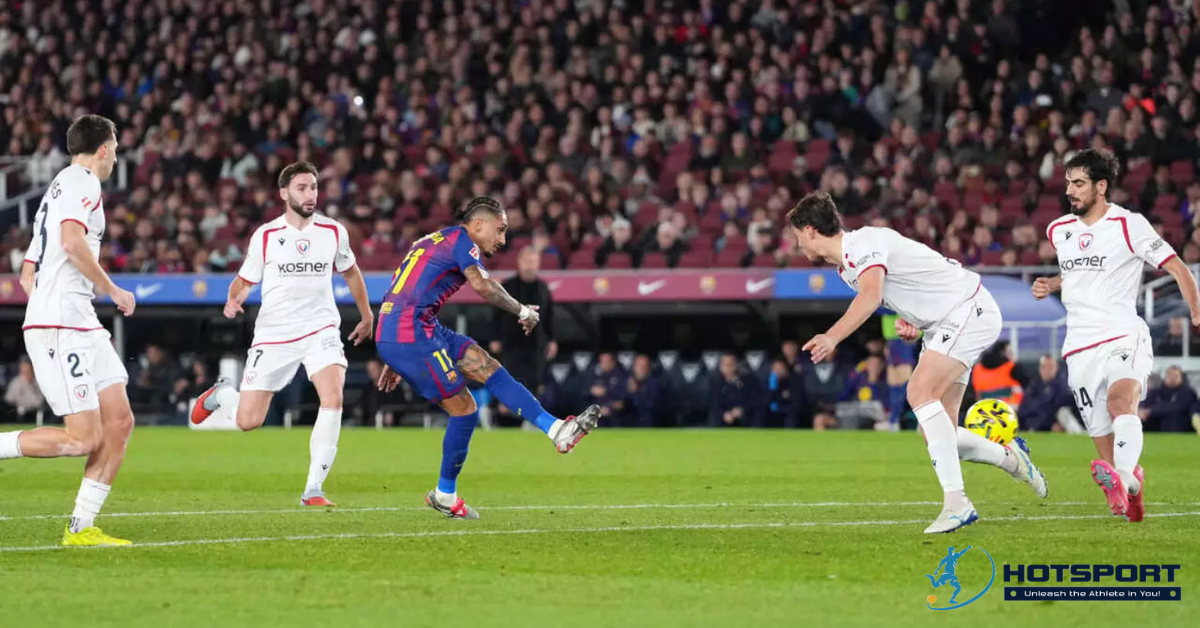
The Barcelona vs. Osasuna match, played at the Estadio Olímpico Lluís Companys on December 13, 2025, marked another dominant night for Barcelona in La Liga 2025/26. With a 2-0 victory, built with two goals from Raphinha, the Catalan team confirmed their excellent form, extended their lead at the top of the league, and gave another demonstration of their competitive maturity.

The game had strategic importance. Barcelona went into the match knowing that a victory could open up a significant advantage over their main rivals for the Spanish title. Osasuna, on the other hand, sought to pull off an upset away from home and gain valuable points to stay clear of the relegation zone.

More than the score, the Barcelona vs. Osasuna match was a true reflection of the teams’ current form. Barça controlled the pace, territory, and emotions, while Osasuna resisted as best they could, but ultimately succumbed to the technical quality and intensity of their opponent.

In this article, you’ll find a complete analysis of Barcelona vs. Osasuna: pre-match context, expectations, tactical analysis, detailed summary of the halves, individual performance, complete statistics, impact on the standings, implications for the season, and trending FAQs on Google.

Pre-game – Expectations, pressure and the scenario for Barcelona vs Osasuna

Barcelona’s expectations

Barcelona arrived for the Barcelona vs. Osasuna match in a state of high confidence. Leading La Liga, the team was on a solid winning streak and displaying consistent football both offensively and defensively.

The expectation was for dominance from the start. Playing at home, Barça knew they needed to impose a high tempo, pressure Osasuna’s build-up play, and turn possession into clear chances. There was also the mission of maintaining their lead at the top of the table, avoiding any sign of instability.

Another important point was Raphinha’s form. The Brazilian striker had been decisive throughout the season and carried the responsibility of leading the offensive sector in yet another big game. His movement and intensity were seen as key weapons to break through the opposing defense.

Furthermore, Barcelona wanted to continue its message of maturity: winning games that were theoretically controllable without any scares, something fundamental for those aiming for the Spanish title.

Osasuna’s expectations

For Osasuna, Barcelona vs. Osasuna represented a huge challenge. Facing the league leaders away from home demanded defensive organization, maximum concentration, and making the most of the rare offensive opportunities.

The plan was clear: compact lines, little space between defense and midfield, and quick transitions whenever possible. Osasuna knew they couldn’t compete for possession with Barcelona, ​​so they relied on resilience and pragmatism.

Internally, the objective was to leave with a respectable score and, if possible, to pull off an upset. A draw would already be considered an excellent result. However, the team was also aware that any defensive error could be fatal against such a skilled attack.

Lineups & tactics in the Barcelona vs Osasuna match

Barcelona started the match in their usual 4-3-3 formation, with great mobility in the attacking third. The wingers played wide, stretching the Osasuna defense, while the midfielders ensured quick ball circulation and control of the center of the field.

Raphinha played starting from the right, but with the freedom to attack the central space, exploiting diagonal runs and shots from medium range. This constant movement was one of the main problems for the opposing defense.

Osasuna opted for a 5-4-1 formation, with a low block and total focus on protecting the penalty area. The idea was to close down the central corridor and force Barcelona to cross the ball, relying on aerial defense.

As the minutes ticked by, the tactical setup showed its limitations: Barcelona pushed Osasuna back, quickly recovered the ball, and maintained constant pressure, physically and mentally wearing down their opponents.

First half – Barcelona vs Osasuna: patience and absolute control

The first half was dominated by Barcelona in terms of territory. The team maintained high possession, exchanged passes calmly, and sought to create space with constant movement.

Osasuna managed to hold on in the opening minutes, but Barcelona’s pressure intensified. Chances began to appear, especially down the right flank, where Raphinha was very active.

The goal came after persistent play. In a well-executed move, Raphinha received the ball in a good position and finished with precision to open the scoring. The goal confirmed Barcelona’s control and forced Osasuna to push forward a bit more.

Even after going down 1-0, Barça maintained the same rhythm. Without desperation, they continued to occupy the attacking half and limited their opponents to rare counter-attack attempts.

Second half – Raphinha decides Barcelona x Osasuna

In the second half, the scenario remained unchanged. Barcelona returned with an aggressive approach, looking to finish the game off as quickly as possible. Osasuna tried to adjust their marking, but continued to struggle to build attacks from the back.

Raphinha, once again decisive, scored the second goal after a quick play, consolidating his great performance. The 2-0 score gave Barcelona complete peace of mind, allowing them to intelligently manage their advantage.

With the score under control, the Catalan team slowed the pace, exchanged passes in the opponent’s half, and avoided unnecessary risks. Osasuna tried to apply pressure at times, but without creating any real chances.

The final whistle confirmed a comfortable, mature, and fully deserved victory in the Barcelona vs. Osasuna match.

Individual performances – Highlights from Barcelona vs. Osasuna

Raphinha

He was the star of the game. He scored both goals, actively participated in the build-up play, and constantly caused problems down the right flank. His performance symbolizes Barcelona’s dominant period.

Barcelona midfielder

He controlled the pace of the game from start to finish. Good ball circulation, efficient defensive protection, and the intelligence to speed up or slow down when necessary.

Defensive system

Not much was demanded of them, but they were very solid. Barcelona barely faced any scares throughout the match.

Full stats – Barcelona vs Osasuna

StatisticBarcelonaOsasuna
Goals20
Finishing touches187
Shots on target72
Ball possession64%36%
Total passes650380
Passing accuracy88%76%
Great chances51
Corner kicks63
Disarms1417
Interceptions811
Aerial duel won.57%43%

The numbers clearly reflect Barcelona’s superiority in matches between Barcelona and Osasuna.

Impact of Barcelona vs. Osasuna on the La Liga standings.

With the victory, Barcelona further solidified their lead in La Liga 2025/26, widening the gap over their main direct rivals for the title. The result strengthens their campaign and increases their margin for error in the coming rounds.

Osasuna, on the other hand, remains in the middle of the table. A defeat was considered possible, but the team will need to react quickly to avoid getting closer to the relegation zone.

Barcelona vs. Osasuna and the current state of the championship.

Games like Barcelona vs. Osasuna are crucial in title campaigns. Not just because of the result, but because of how they are won. Barcelona showed consistency, concentration, and the ability to decide matches without exposing themselves.

The consistency shown so far puts the club in a very comfortable position in the fight for the Spanish championship, as well as increasing confidence for future commitments in other competitions.

Atmosphere, fans, and the game’s impact.

At Spotify Camp Nou, the fans celebrated the victory intensely, with moments of provocative banter against rival teams beginning to emerge in the stands, highlighting the positive mood among the supporters after the win.

The festive atmosphere reflects not only the three points, but also the feeling that Barcelona is on the right track to regain national glory and possibly win important titles this season.

Conclusion – Barcelona vs. Osasuna confirms the strength of the leader.

The Barcelona vs. Osasuna match ended 2-0, but the significance of the victory goes far beyond the score. This game symbolizes the moment of affirmation for a Barcelona team that, in a mature and strategic way, knew how to impose its style of play even in the face of organized resistance.

The team demonstrated balance: offensively, with Raphinha being decisive in key moments; tactically, with Pedri dictating the pace and the team managing to transform possession into real opportunities; and defensively, with a solid structure that neutralized the opponent’s actions.

The victory in the Barcelona vs. Osasuna match not only extends their lead in La Liga, but also solidifies a winning mentality that could be decisive in the pursuit of the title. The collective performance, combined with the individual contributions of the team’s key players, makes Barcelona a strong contender not only in the Spanish league, but in other competitive areas this season.

With high confidence and a positive run of results, Barça demonstrates that it is ready to maintain its trajectory towards the season’s bigger goals — something reaffirmed both on and off the field with tonight’s performance.

FAQs – Frequently Asked Questions about Barcelona vs. Osasuna

1. What was the result of Barcelona vs. Osasuna?
Barcelona won 2-0.

2. Who scored the goals in the match?
Raphinha scored both of Barcelona’s goals.

3. Where was the game played?
At the Lluís Companys Olympic Stadium.

4. Is Barcelona still leading La Liga?
Yes, and now with an even wider lead.

5. Was Raphinha the best player?
Yes. Decisive, involved, and efficient.

6. Did Osasuna create clear chances?
Few. They had difficulties in attack.

7. What was the key to Barcelona’s success?
Control of the game and efficiency in attack.

8. Was the victory comfortable?
Yes. Barcelona dominated practically the entire match.

9. Does this result impact the title race?
Yes. It greatly strengthens Barcelona’s position.

10. Could Barcelona vs. Osasuna be decisive in the championship?
It could be remembered as another important step towards the title.

Introduction – Chelsea vs Everton

The Chelsea vs. Everton match, played at Stamford Bridge on December 13, 2025, was one of the most symbolic games of the 2025/26 Premier League season so far. Chelsea’s 2-0 victory represented not just three points in the standings, but a true turning point in a season marked by highs and lows.

Entering the match under pressure, Chelsea needed to deliver an immediate response to their fans after weeks of inconsistent performance. The team knew that a stumble at home could deepen their crisis of confidence and distance them from the Champions League qualification zone. Everton, on the other hand, arrived with less pressure, but with a clear ambition to establish themselves as contenders for European places.

From the opening whistle, the atmosphere was one of a decisive match. The packed stadium reflected the importance of the clash, and every action on the pitch carried emotional weight. Chelsea not only won—they dominated the key moments of the game, showed competitive maturity, and sent a clear signal to the league.

This article delves into all aspects of Chelsea vs Everton: pre-match context, expectations, detailed tactical analysis, half-time analysis, complete statistics, psychological impact, league table results, and what this result suggests for the rest of the season.

Pre-match – Expectations, pressure and the scenario for Chelsea vs Everton

Chelsea’s expectations

Chelsea started the round outside the top four, a situation considered unsatisfactory for a club that entered the season with clear objectives of returning to the European elite. The pressure came not only from the league table, but also from their performance: the team was creating chances, but failing to translate dominance into results.

Cole Palmer’s return to the starting lineup boosted optimism. The midfielder had been one of Chelsea’s key players the previous season, and his absence due to injury was felt both in terms of creativity and team confidence. His return symbolized hope for a return to an attacking identity.

Internally, the discourse was one of emotional control. The coaching staff emphasized the importance of not confusing intensity with anxiety. The order was clear: impose a high tempo, but with patience, avoiding mistakes that would fuel Everton’s overconfidence.

Another relevant factor was the schedule. With crucial matches approaching, Chelsea needed to win to avoid a losing streak. Thus, Chelsea vs. Everton was seen as a turning point in the season.

Everton’s expectations

For Everton, the match represented a test of maturity. The team had been putting together a solid campaign, with good defensive organization and competitiveness against direct rivals. Getting points at Stamford Bridge would be a big step in consolidating the project.

The strategy involved neutralizing Chelsea’s midfield and withstanding the initial pressure. Everton knew that the first 20 minutes would be crucial and that conceding an early goal could compromise the entire game plan.

There was also an important psychological aspect: playing without the pressure of being the favorite. Everton took to the field with less obligation, relying on discipline, quick transitions, and making the most of the few chances that arose.

The biggest challenge was maintaining concentration for 90 minutes. Against a technically superior team, any positioning error could be fatal.

Lineups & tactics in the Chelsea vs Everton match

Chelsea started in a 4-2-3-1 formation, but with extremely flexible play. In attack, the system transformed into a 3-2-5, with advanced full-backs and a strong presence in the final third of the pitch.

Cole Palmer played as a mobile central midfielder, alternating between drifting to the wings and making runs into the box. This freedom was essential to confusing Everton’s defense. The holding midfielders provided balance, allowing the team to attack with many players.

Everton responded with a compact 4-5-1 formation, focused on closing down the central corridor. The lines were low, and the team prioritized occupying space, accepting possession from Chelsea.

With Chelsea’s full-backs constantly advancing, Everton were pushed back into their own penalty area. Physical fatigue began to show in the first half, highlighting the difficulty of maintaining the defensive plan for extended periods.

First half – Chelsea vs Everton: territorial dominance and efficiency

The first half was almost entirely controlled by Chelsea. The team maintained high possession, circulated the ball intelligently, and forced Everton to defend close to their own area.

Chances began to appear gradually. Chelsea didn’t rush unnecessarily, preferring to work the ball until they found the right moment. This patience was rewarded in the 21st minute, when Cole Palmer appeared unmarked and finished with precision.

After the goal, Chelsea didn’t back down. On the contrary, they increased the pressure and began to exploit the flanks even more. Everton tried to react, but found it difficult to maintain possession and relieve the pressure.

In the final minutes of the first half, their superiority translated into another goal. Malo Gusto, appearing as a surprise element, scored the second and consolidated a near-perfect first half for the Blues.

Second half – Management, control and maturity

In the final stage, Chelsea adopted a more strategic approach. With a comfortable lead, the team began to control the pace, alternating periods of long possession with well-timed bursts of speed.

Everton tried to push up the field and take more risks, which did create some space. However, they lacked quality in the final pass and precision in their finishing. Chelsea’s defense remained organized and was rarely threatened.

Chelsea’s substitutions were designed to maintain intensity without losing control. The team managed the result with maturity, something that had been lacking in previous games this season.

The final whistle confirmed a solid victory, without any scares, and with clear emotional and tactical superiority.

Individual performances – Who decided Chelsea vs Everton?

Cole Palmer

He was the star of the match. Besides the goal, he actively participated in the build-up play, offered options between the lines, and gave fluidity to the attack. His return changed Chelsea’s offensive approach.

Bad Taste

Extremely involved, he was decisive both defensively and in supporting the attack. His goal crowned a high-level performance.

Defensive system

Chelsea’s defensive line was solid, with good game reading and few mistakes. Everton struggled to create real chances.

Full stats – Chelsea v Everton

StatisticChelseaEverton
Goals20
Finishing touches1711
Shots on target63
Ball possession58%42%
Total passes620450
Passing accuracy86%79%
Great opportunities created41
Corner kicks47
Mistakes committed1311
Disarms1518
Interceptions912
Aerial duel won.55%45%

The numbers reinforce Chelsea’s technical and strategic dominance in the Chelsea vs. Everton matchup.

Impact of Chelsea vs Everton on the table and the future.

For Chelsea

The victory puts Chelsea back in the top four of the Premier League, rekindling the confidence of the squad and the fans. More than just the three points, the performance showed clear signs of collective improvement.

Cole Palmer’s return to form, the defensive solidity, and the maturity to control the game indicate that Chelsea could embark on a positive run. The Chelsea vs. Everton match could be remembered as the turning point of the season.

For Everton

Everton leaves defeated, but not disorganized. The team showed discipline in the first half, but paid dearly for their difficulty in reacting after conceding goals. The challenge now is to regain confidence and seek points in the upcoming direct confrontations.

The game exposed offensive limitations, especially in creating chances under pressure. Even so, Everton remains competitive and alive in the fight for mid-table positions and potential European spots.

Chelsea x Everton and the fight for the G4 of the Premier League

With the victory, Chelsea returns to the top four, reigniting the direct competition for Champions League spots. In a balanced league, games like this have enormous strategic importance.

Beyond the points, the emotional outcome is positive. Chelsea gains confidence, while direct competitors begin to pay closer attention to their recovery.

Everton remains competitive, but understands that it will need to improve offensively if it wants to move up the table.

Conclusion – Chelsea vs. Everton as a turning point

The Chelsea vs. Everton match ended 2-0, but its significance goes beyond the score. The game symbolizes a clear response from Chelsea at a time of questioning and pressure.

The team showed tactical organization, emotional control, and efficiency in crucial moments. Unlike previous matches, Chelsea didn’t lose their composure after scoring, didn’t concede unnecessary space, and managed the game with maturity.

This type of victory builds seasons. It’s not just about winning, but about how you win. Chelsea showed they can compete intelligently, something essential for the long Premier League season.

Furthermore, Cole Palmer’s return to top form suggests a new offensive boost for the Blues. With key players functioning well and the team more cohesive, they gain depth and more options.

If they maintain this level of performance, Chelsea have everything they need to definitively establish themselves among the top contenders for European qualification. Chelsea vs. Everton could, in the future, be remembered as the game that marked the emotional and competitive turning point of the season.

FAQs – Frequently Asked Questions about Chelsea vs Everton

1. What was the result of Chelsea vs Everton?
Chelsea won 2-0, with goals in the first half.

2. Who scored the goals in the match?
Cole Palmer opened the scoring and Malo Gusto scored the second.

3. Where was the game played?
At Stamford Bridge, in London.

4. Did Chelsea return to the top four with this victory?
Yes. The three points put the club back among the top four in the Premier League.

5. Was Cole Palmer the best player?
Yes. Besides the goal, he was decisive in creating chances and controlling the attack.

6. Did Everton play badly?
No. They were organized defensively, but limited offensively.

7. What was Chelsea’s key advantage in the game?
Efficiency in the first half and maturity to control the second.

8. Does this victory change Chelsea’s momentum?
Yes. It represents a potential turning point both emotionally and technically.

9. Is Everton still in contention for European places?
Yes, but they need to improve their performance against direct rivals.

10. Can Chelsea vs. Everton be remembered at the end of the season?
Yes. It can be seen as the game that marked Chelsea’s return to the Premier League.

TENNIS

Gabriel Barbosa, or simply Gabigol, is one of those names that echoes in Brazilian stadiums like a goal-scoring roar. Born on August 30, 1996, in São Bernardo do Campo, in the ABC Paulista region, he grew up amid the noise of factories and the dream of dribbling through life with a ball at his feet. At 29 years old, in December 2025, Gabigol remains a polarizing figure: loved for his boldness on the pitch, criticized for controversies off it. His story is a script of highs and lows, unforgettable goal-scoring feats, and moments of overcoming adversity. In this article, we dive into the journey of this striker who, despite recent stumbles—like the penalty miss in the Copa do Brasil semifinal against Corinthians this week—continues to inspire fans across the country.

Early Steps: From São Bernardo to Santos

Gabriel’s childhood was no fairy tale. From a humble family, he split his time between school and street futsal, where his speed and goal-scoring instinct caught attention. At eight years old, he was spotted by Santos FC scouts during a local tournament. “He was a skinny kid, but with a ball at his feet, he turned into a lion,” recalled a former youth coach in an interview years later. Joining Santos’ youth academy, Gabigol racked up over 600 goals in youth competitions—a number that already marked him as a potential successor to idols like Pelé and Neymar.

His professional debut came in 2013, at 16, in the Copa do Brasil against Grêmio. He came on in the second half and, within minutes, scored his first professional goal. It was the spark: the boy from São Bernardo was no mere promise; he was reality. In 2014, he established himself as a starter, ending the year as Santos’ top scorer with 21 goals and the Copa do Brasil’s with six. The Vila Belmiro crowd began chanting “Gabigol” like a mantra. The following year, 2015, he broke Neymar’s record in the national cup with eight goals. At 18, he was already compared to legends. The 2016 Campeonato Paulista sealed his rise: top scorer of the tournament and selected for the ideal team, with performances blending refined technique and a touch of irreverence.

Shining at Santos: The Boy Who Became a Man

At Santos, Gabigol wasn’t just numbers; he was pure emotion. In 2015, he helped the team reach the Copa do Brasil final, where, despite the loss to Palmeiras, his performance captivated Brazil. He dribbled defenders as if they were training cones, finished with surgical precision, and celebrated with an energy that was contagious. “Playing for Santos is like flying,” he said in a press conference at 19. That phase earned call-ups to the under-20 national team and hungry glances from Europe. But before leaving, he left a legacy: 56 goals in 112 games for Santos across youth and professional levels, plus a Paulista title in 2016, where he shone with 11 goals.

The pressure of being the “new Neymar” weighed heavy, but Gabigol handled it his way: training hard and responding on the field. His move to Inter Milan in August 2016 for 27.5 million euros was seen as the natural step toward a global career. Santos fans cried, but knew he would return greater.

Challenges in Europe: Bitter Lessons

Europe, with its tactical and cold football, tested Gabigol’s limits. At Inter Milan, under Frank de Boer and later Stefano Pioli, he struggled for space. In 26 games, just one official goal, against Bologna in Serie A. Cultural adaptation, minor injuries, and fierce competition left him on the bench. “It was tough, but it taught me patience,” he reflected years later. Loaned to Benfica in 2017, he scored one goal in the Taça de Portugal but remained below expectations. At 21, far from home, he questioned his path.

His return to Santos on loan in 2018 was like a balm. Gabigol exploded: 27 goals in 52 games, top scorer in the Campeonato Brasileiro with 18, Copa do Brasil with four, and Paulista again. Santos didn’t win titles, but he regained confidence. Those months were crucial: they proved Brazilian talent could shine on any pitch, as long as the context was right. And the perfect context arrived in 2019, with Flamengo.

Epic Return to Brazil: Flamengo, the Perfect Stage

The loan to Flamengo in July 2019 changed everything. Under Jorge Jesus, Gabigol found a team that valued his speed and instinct. In the Carioca, he helped win the title. In the Brasileirão, he finished as top scorer with 25 goals, leading Mengão to the trophy. But the pinnacle was the Libertadores: nine goals, including the two in the historic comeback against River Plate in the final in November 2019. Those 45 minutes in Lima immortalized his name. “I live for moments like this,” he shouted, trophy in hand.

Bought permanently for 18 million euros in 2020, Gabigol became a rubro-negro idol. He won Cariocas in 2020, 2021, and 2024; Supercopas in 2020, 2021, and 2022; Recopa in 2020; and another Copa do Brasil in 2024. Top scorer in the 2021 Libertadores with 11 goals, he is Flamengo’s all-time leading scorer in the competition (30 goals) and in the 21st century (160 goals). In 304 games for the club, 161 goals—sixth on the all-time list. His partnership with Bruno Henrique and Arrascaeta formed a lethal trio, and his provocative celebrations became his trademark.

The Doping Case Storm: Fall and Redemption

Not everything was glory. In March 2024, the blow came: a two-year suspension for attempted fraud in an anti-doping test from April 2023. Accused of tampering with the test, Gabigol vehemently denied it. “It’s a mistake I didn’t commit,” he declared. With a stay granted in April 2024 by the Court of Arbitration for Sport (CAS), he continued playing for Flamengo, scoring eight goals in 38 matches and helping in the Copa do Brasil. But the shadow lingered.

In July 2025, victory in the appeal: CAS overturned the punishment, allowing full return. “It was a trial that strengthened me,” he said, relieved. The controversy, added to a 2021 arrest for gathering in a casino during the pandemic (resolved with a fine), humanized his image: a flawed star, but resilient.

New Chapter at Cruzeiro: Challenges and Highlights in Belo Horizonte

Leaving Flamengo at the end of 2024, Gabigol signed with Cruzeiro for four years until 2028, on a free transfer. Mineirão welcomed him as a savior. Debut in the 2025 Mineiro: hat-trick against Itabirito, four goals in a rout. Top scorer for the team in the state league, he scored in the semis and in the Brasileirão against Mirassol. Until October, he had important goals, aiding the Celeste campaign.

But 2025 wasn’t all euphoria. With the arrival of Leonardo Jardim, he lost starting spot to competitors like Matheus Pereira. In Série A, he fluctuated: wins against Ceará and tough draws. The low point came this week, December 15: in the Copa do Brasil semifinal, penalty miss against Corinthians, saved by Hugo Souza, eliminating Cruzeiro. “It hurts, but football is like that. I’ll take the next one with more strength,” he vented post-match. Still, in 2025, he played around 40 games for Cruzeiro, with 15 goals and assists showing his relevance. At 29, he seeks reconquest.

Brazilian National Team: Olympic Gold and Unfinished Dreams

For the Seleção, Gabigol shone in youth levels: top scorer at COTIF in 2014 and Olympic gold in Rio 2016 with two assists. Senior debut came in the 2016 Copa América Centenário with a goal. He scored in World Cup qualifiers and the 2021 Copa América (silver), but sparse call-ups under Tite and Dorival left him as a reserve. “I want to return and be decisive,” he said in 2025. With the 2026 World Cup on the horizon, his form at Cruzeiro could open doors.

Legacy and Prospects: Beyond the Goals

With 563 games and 259 goals in his career so far, Gabigol is the sole top scorer in two consecutive Brasileirões (2018-2019), record holder in Copas do Brasil, and pioneer in double national top-scorer honors in the same year. His style—bold, provocative, unpredictable—divides opinions but unites fans. Off the field, he invests in social projects in São Bernardo and dreams of family: married to influencer Rafaella Santos (Neymar’s sister), father of two children.

For the future, 2026 promises: regaining protagonism at Cruzeiro, aiming for Mineiro titles, and perhaps a World Cup call-up. The missed penalty? Just one chapter. Gabigol is one of those who turns the game in stoppage time.

In summary, Gabriel Barbosa is not just a player; he is a living narrative of Brazilian football: raw talent, exposed mistakes, and hard-earned redemption. As long as the ball rolls, he keeps chasing the next goal roar. And Brazil, cheering—or jeering—with passion.

Chet Holmgren has emerged as one of the most promising figures in modern basketball, combining impressive height with skills that defy traditional big-man conventions. Born on May 1, 2002, in Minneapolis, Minnesota, the 7-foot-1 (2.16m), 213-pound player competes for the Oklahoma City Thunder in the NBA. His journey, marked by precocious talent and remarkable resilience in the face of injuries, has made him a cornerstone of the Thunder franchise and one of the league’s most talked-about names. In an era where versatility reigns supreme, Holmgren embodies the future of the game, with a unique ability to impact every facet of play on the court. This overview explores his path from local courts to the NBA spotlight, highlighting his recent impact in the 2025-26 season.

Early Life and Development

Chet Holmgren’s story begins in a basketball-immersed environment. The son of Dave Holmgren, a former college player who stood 7 feet tall and played for the University of Minnesota from 1984 to 1988, Chet grew up surrounded by basketballs and lessons in dedication. Dave, who appeared in 57 games for the Gophers, passed on not just height genes but an unrelenting work ethic. By age six, Chet was training seriously, and his family encouraged a holistic approach to the sport.

In Minneapolis—a city with strong basketball tradition—Holmgren attended Minnehaha Academy, a private Christian school, starting in sixth grade. At that time, he was already around 6-foot-2, quickly emerging as a rising talent. His first season was cut short by a broken right wrist, but the setback forced him to refine his long-range shooting—a skill that would become his trademark. By the end of ninth grade, he had grown to 6-foot-9, and his passion for the game only intensified. He had the fortune of playing alongside Jalen Suggs, a future Gonzaga teammate, which accelerated his tactical growth.

Family influence was key. With two younger sisters, Chet learned values like humility and perseverance. Dave, who coached part-time, stressed being a complete player: not just blocking shots, but reading the game and creating plays. This foundation prepared Holmgren for the rapid physical changes of adolescence, when he was already viewed as a prodigy attracting national scouts. His routine included intense training, rigorous studies, and a growth-focused diet, avoiding common pitfalls for tall young athletes prone to injuries.

High School Career

At Minnehaha Academy, Holmgren built an impressive legacy. As a freshman, despite the injury, he contributed to a Class 2A state title, averaging 6.2 points and 3 rebounds per game. As a sophomore, he exploded with 18.6 points and 11 rebounds, leading the team to another championship. His junior year featured a memorable game against Sierra Canyon School, where he recorded 9 points, 10 rebounds, and 12 blocks—a performance that went viral and put him on the national radar.

In his senior year, Holmgren took his game to new heights: 21 points and 12.3 rebounds per game, culminating in a fourth state title in Class 3A. His defense was terrifying, aided by a 7-foot-6 wingspan that made drives risky. Beyond school ball, he shone in national tournaments like the 2021 Nike Hoop Summit.

Awards poured in: Minnesota Mr. Basketball, Gatorade National Player of the Year, Naismith Prep Player of the Year, and Morgan Wootten National Player of the Year. As a McDonald’s All-American, he was ranked the top recruit by ESPN, Rivals, and 247Sports. In April 2021, he committed to Gonzaga University, following Suggs’ path. Rated a five-star recruit and No. 1 in the 2021 class, his ranking reflected not just his physique but his on-court intelligence.

College: Gonzaga Bulldogs

Defensively dominant, he was named WCC Defensive Player of the Year, Newcomer of the Year, and First-Team All-WCC. In the NCAA Tournament, he stood out with 19 points, 17 rebounds, 7 blocks, and 5 assists against Georgia State. Internationally, he earned MVP at the 2021 FIBA U19 World Cup, leading the USA to gold.

In April 2022, he declared for the NBA Draft, leaving Gonzaga as one of its most impactful recent freshmen.

NBA Draft and Professional Start

Selected No. 2 overall by the Oklahoma City Thunder in the 2022 Draft—the highest for a Gonzaga or Minnesota native since Kevin McHale in 1980—Holmgren signed his rookie contract in July. In Summer League, he broke the single-game block record with six in a win over Utah, scoring 23 points and grabbing 7 rebounds.

However, the 2022-23 season was lost to a Lisfranc foot injury suffered in a Pro-Am game. The forced break focused him on rehab and film study, turning adversity into mental growth.

Breakout Return and Rise with the Thunder

His 2023-24 return was triumphant: debut with 11 points and 4 rebounds vs. Chicago, soon breaking the Thunder rookie block record with 7 vs. Cleveland. In November, he exploded for 36 points, 10 rebounds, and 5 assists in double-OT vs. Golden State—one of the best rookie performances ever.

Named Western Conference Rookie of the Month for October/November, he finished the regular season with 16.5 points, 7.9 rebounds, 2.4 assists, and 2.3 blocks over 82 games, shooting 53% FG and 37% from three. In the playoffs, he helped reach the Western semis, falling to Dallas in six games, with a standout 21-point Game 6.

In 2024-25, he faced a setback with a right iliac wing fracture in November vs. Golden State, missing until February 2025. Still, he contributed to a championship run: the Thunder won the 2025 NBA Finals over the Indiana Pacers in seven games. In the playoffs, he averaged 15.2 points, 8.7 rebounds, and 1.9 blocks over 23 games. In decisive Game 7, he had 18 points, 8 rebounds, and a record 5 blocks in a Finals Game 7.

Chet Holmgren receives big salary extension from OKC Thunder …

Named to the All-Rookie First Team in 2024, he signed a five-year max extension in July 2025 worth up to $250 million.

2025-26 Season and Recent Updates

The current season has been spectacular for the defending champions. As of mid-December 2025, the Thunder hold a dominant 24-1 record. Holmgren has been a key factor, averaging around 18.8 points, 8.0 rebounds, and elite blocking on highly efficient shooting. Highlights include a career-high scoring game and standout performances like 24 points (perfect from three), 8 rebounds, and 3 blocks in a 138-89 NBA Cup quarterfinal blowout over Phoenix on December 10—where Grayson Allen was ejected for a hard foul on him.

On December 13, in the NBA Cup semifinals vs. San Antonio, Holmgren faced rival Victor Wembanyama in a highly anticipated matchup of unicorns. The Thunder advanced toward another potential in-season trophy.

Career regular-season averages (through ~114 games pre-2025-26 plus current): around 16.1 points, 7.9 rebounds, and 2.3 blocks.

Playing Style

Holmgren redefines the modern big man. With guard-like fluidity, he handles the ball, passes, and shoots from deep efficiently. His 7-foot-6 wingspan makes him an elite rim protector, while he’s a voracious rebounder and playmaker. Athleticism—above-average vertical for his height—allows drives and acrobatic finishes. Versatile defensively, he switches onto guards or battles centers; offensively, his three-point threat spaces the floor for stars like Shai Gilgeous-Alexander.

Often compared to a blend of Kevin Durant (shooting/range) and Rudy Gobert (rim protection), his main area for growth is consistency in high-volume scoring—but at 23, his ceiling is limitless.

Achievements and Awards

  • High School: Minnesota Mr. Basketball (2021), Gatorade National Player of the Year (2021), Naismith Prep Player of the Year (2021).
  • College: Consensus Second-Team All-American (2022), WCC Defensive Player of the Year (2022), WCC Newcomer of the Year (2022).
  • International: FIBA U19 World Cup MVP (2021), Gold with USA.
  • NBA: NBA Champion (2025), All-Rookie First Team (2024), Western Conference Rookie of the Month (Oct/Nov 2023).

Personal Life

Off the court, Holmgren is private. He lives in Oklahoma City with family, valuing privacy. His father remains a mentor, and he supports local causes like youth basketball programs in Minneapolis. A sneaker enthusiast, he collaborates with Nike on exclusive models blending style and performance. In interviews, he emphasizes gratitude and teamwork, inspiring fans with his overcoming-adversity story.

Conclusion

Chet Holmgren is more than a player—he’s a catalyst for change in basketball. From injury-plagued rookie to NBA champion and rising star, his trajectory inspires. Anchored with the Thunder, he eyes more titles and individual honors. At 23, the sky’s the limit—and Holmgren seems ready to reach it. His impact transcends stats: he proves height and skill can rewrite the game’s rules.

FOOTBALL

International Football

The legendary Flamengo vs Vasco rivalry, known as the “Clássico dos Milhões” (Derby of the Millions), is one of Brazil’s most iconic football matchups. In the Brazilian Série A, Flamengo holds the historical advantage, but the encounters are often intense, unpredictable, and season-defining. In 2025, the stakes are high again, with both clubs aiming for strong campaigns.


Head-to-Head in the Brasileirão: Flamengo Dominates Historically

Flamengo and Vasco have faced each other 36 times in the history of the Brasileirão. Here’s the current record:

ResultMatches
Flamengo wins15
Draws13
Vasco wins8
Flamengo goals46
Vasco goals33

While Flamengo holds more victories and goals, the rivalry often delivers tight matches and surprises.


Classic Matches That Marked the Rivalry

Some of the most memorable Brasileirão moments between Flamengo and Vasco include:

  • A 5–1 Vasco thrashing in 2001
  • A Ronaldinho-inspired Flamengo win in 2011
  • Vasco ending a long winless run in 2015
  • A 2–2 thriller in 2023 impacting continental qualification

These classics show how both clubs raise their level when they face each other — regardless of form.


Flamengo in 2025: Eyes on the Trophy

With Tite at the helm, Flamengo enters the 2025 season as a title contender, boasting a deep and talented squad. Winning derbies like this one is essential for maintaining confidence and staying atop the standings. The club’s recent dominance over Vasco is an asset — but not a guarantee.


Vasco in 2025: New Era, Same Passion

Vasco da Gama, under Ramón Díaz, is undergoing a rebuild. With fresh faces and tactical ambition, the team looks to restore its former glory. A win over Flamengo would signal serious progress, boost morale, and re-ignite belief among fans.


Why Flamengo vs Vasco Still Matters in the League

This derby is not just about bragging rights — it often influences league standings. Whether it’s battling for a title, fighting relegation, or chasing continental spots, Flamengo vs Vasco always matters. In 2025, it’s again one of the most anticipated fixtures on the calendar.


Conclusion: Flamengo vs Vasco Is a Fixture That Shapes Seasons

Whether you’re a Rubro-Negro or Cruzmaltino, this fixture transcends football. It’s about tradition, pride, and passion. As Flamengo aims to continue its dominance and Vasco fights to reclaim its place among Brazil’s elite, the 2025 edition of the Clássico promises drama, energy, and impact.

👉 Follow full coverage of Brazilian football and all major derbies at Futiboll.com – National Football. Share, comment, and experience every moment of the season!


📺 Recommended Video:

Flamengo vs Vasco – 2025 Tactical Breakdown & Highlights


📌 Also Read:

LATEST POST