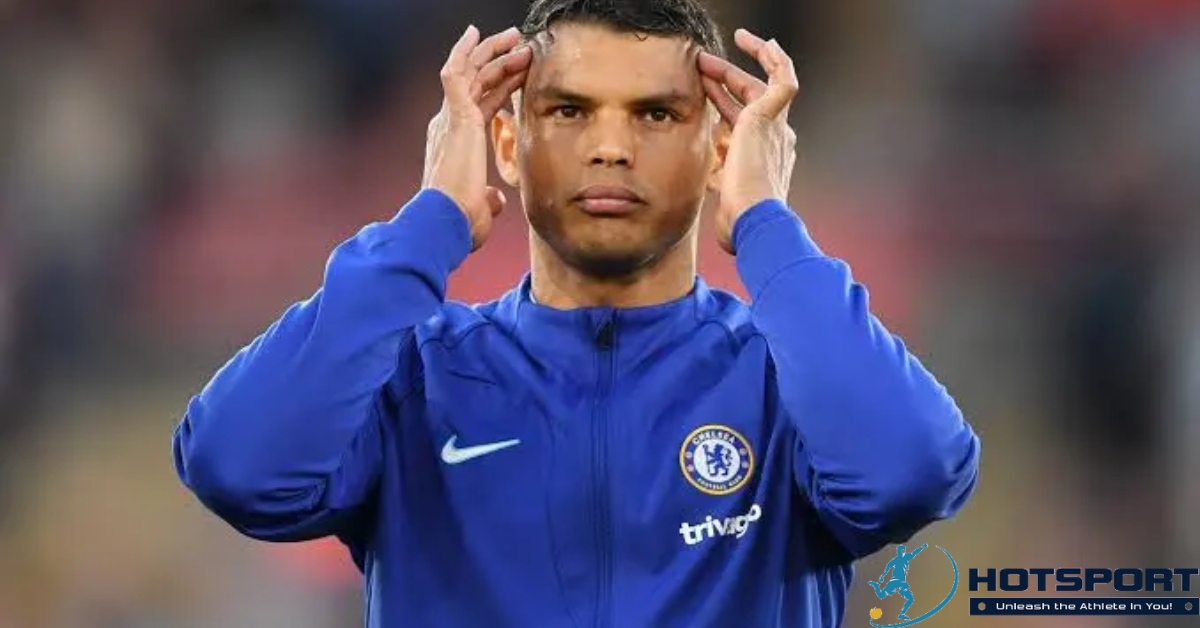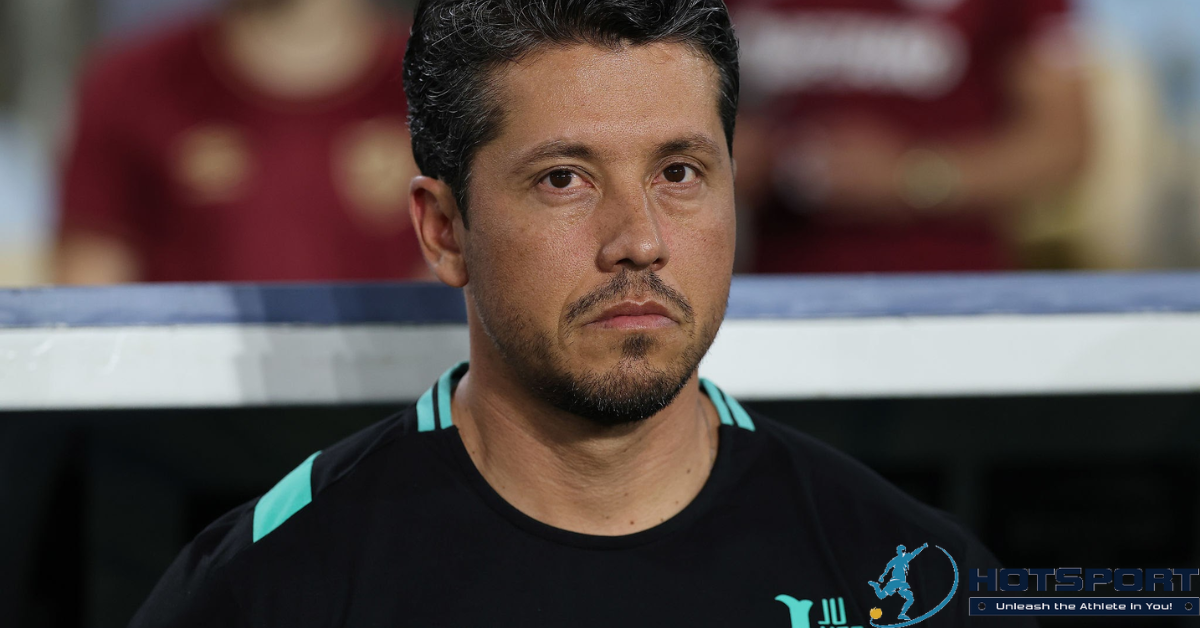
Thiago Silva is one of those names that echoes as a synonym for solidity in world football defense. At 41 years old, the Rio de Janeiro-born center-back continues to impress with his sharp game reading, precise passes, and leadership that inspires generations. Born in Rio de Janeiro on September 22, 1984, he built a career full of titles and twists, from youth categories to Champions League pitches. In December 2025, with his contract at Fluminense running until June 2026, Thiago is in a moment of reflection: rumors of a return to Europe, ambitions for the 2026 World Cup, and plans for the future as a coach. This is the story of a warrior who turned adversities into eternal conquests.
Early Steps: From the Streets of Rio to Professionalism
Thiago Silva’s journey began in the streets of the Santa Cruz neighborhood in Rio de Janeiro, where football was more than a sport—it was escape and dream. At 14, he joined Fluminense’s youth categories, his beloved club, initially playing as a defensive midfielder. Lack of opportunities led him to smaller clubs, like Barcelona de Ilha do Governador and RS Futebol in Santa Cruz do Sul (RS), where he turned professional in 2002.
His talent exploded at Juventude in 2004. At just 19, he played 30 games in Série A, scoring three goals and attracting European scouts. It was the turning point. Transferred to Porto B in Portugal, he barely had time to adapt before heading to Dynamo Moscow in Russia in 2005. There came the first major test: severe tuberculosis left him hospitalized for six months, receiving daily injections and piles of medication. “I thought about quitting everything,” he confessed years later. But his mother’s strength, encouraging him not to give up, brought him back stronger. Recovered, he returned to Fluminense in 2006, where he became an idol.
At the Carioca Tricolor, Thiago played 146 matches until 2008, scoring 14 goals. He was key in winning the 2007 Copa do Brasil and reaching the 2008 Libertadores vice-championship, when Fluminense lost to LDU on penalties. His elegance with the ball at his feet and interception instinct earned him the nickname “Monster of Defense.” At 24, he was ready for the international leap.
Conquering Europe: From Milan to Paris
In July 2009, Milan paid 8 million euros to bring him to Italy. His debut came in January 2010, and he soon displaced legends like Alessandro Nesta. In the 2010-11 season, Thiago was fundamental in Milan’s Serie A title win, with his partnership alongside Nesta being a pillar of the league’s most solid defense. He scored a memorable goal against Barcelona in the 2011-12 Champions League semifinals, but Milan fell to the eventual champions. Still, he won the 2011 Italian Supercup and became captain on several occasions, showing maturity beyond his age.
The shine in Milan attracted Paris Saint-Germain, who signed him in 2012 for 42 million euros—a record for a defender at the time. At PSG, Thiago lived his golden era. Captain from the start, he played 315 games and lifted 25 trophies: seven Ligue 1 (2013 to 2020), six French League Cups, five French Cups, and five French Supercups. His partnerships with David Luiz and later Marquinhos made the Parisian defense impenetrable in France. In Europe, however, bitterness persisted: traumatic quarterfinal eliminations in the Champions League, like the 6-1 aggregate loss to Barcelona in 2017 and the final lost to Bayern Munich in 2020.
It was eight years of domestic glory, but with the European dream always postponed. Thiago became the face of PSG, a leader who united star-studded dressing rooms with names like Ibrahimović, Cavani, and Neymar. His departure in 2020, at 36, was an emotional goodbye, marked by tears and gratitude from fans at Parc des Princes.
The Premier League Challenge: Chelsea and the Unforgettable Triumph
At 36, few bet on a new adventure. But Chelsea, coached by Frank Lampard, saw in the Brazilian the experience needed for an unstable defense. He signed for one season in August 2020, extending until 2022. Under Thomas Tuchel, Thiago exploded: in the 2021 Champions League final against Manchester City, he was a wall, helping the Blues win 1-0 in Porto. Elected man of the match, he lifted the trophy as interim captain, completing the continental title cycle that had escaped him in Paris.
In the 2021 Club World Cup in Abu Dhabi, he scored the extra-time winning goal against Palmeiras (2-1), securing the title and being elected the tournament’s best player. He also won the UEFA Super Cup that year. In 156 games for Chelsea, he scored nine goals and provided three assists, but the Premier League eluded him—the best was third place in 2021-22. Injuries and advanced age weighed in, and in 2024, after an irregular season, he left without renewal. His farewell against Bournemouth was acclaimed: 40,000 fans at Stamford Bridge chanted his name. “It was like a dream come true,” he said at the time.
Back to Roots: Fluminense and 2025 Updates
The return to Fluminense in June 2024 was epic. Presented at Maracanã with 55,000 Tricolor fans, Thiago signed until the end of 2025, but extended in 2025 for another year, until June 2026. “This is where it all began, and where I want to end,” he declared. In the 2024 season, he played 20 matches, scoring one goal. In 2025, he raised the level: numerous games, goals, and a defense that conceded few under his command.
The highlight was the 2025 Club World Cup in the United States. Fluminense reached the semifinals (or deep stages), facing giants like Dortmund, Internazionale, and Al-Hilal. Thiago, at 40/41, was the maestro of the defense, intercepting plays and distributing precise long balls. Despite muscle injuries sidelining him for some games, he returned stronger, helping the team dream of the title—which came close but escaped in later stages.
In December 2025, rumors stir Rio. At 41, Thiago dreams of one last chapter in Europe before the 2026 World Cup. Reports from Italian media like Gazzetta dello Sport and Corriere della Sera reveal interest from AC Milan, his former club, for a possible short-term return. He has expressed interest in closing the cycle in Milan. PSG has also been mentioned in probes, but the focus is on Serie A. At Fluminense, he remains a starter, managing minutes to prepare. His son, 17-year-old Isago, signed a professional contract with Chelsea in late 2025, a family cycle that moves the father: a continuation of the legacy.
The Brazilian National Team: Eternal Captain and World Cup Hero
For the Canarinho, Thiago debuted in 2008, with Olympic bronze in Beijing (two games). In London 2012, he took silver, playing six matches. Captain since 2013, he won the 2013 Confederations Cup and the 2019 Copa América, starting all six games. In World Cups, he shone: in 2014, six games and a goal against Colombia, despite the penalty controversy in the semi against Germany. Suspended for the final (7-1), he vowed revenge—which came partly with third place in 2018 (five games) and quarters in 2022 (four games, 390 minutes).
With 113 games and seven goals, he is fifth in most appearances for the Seleção, surpassing Cafu as the defender with most World Cup captaincies (12). Awards like the CONMEBOL team of the decade 2010-2020 and FIFPro World XI (2013-15) crown his elegance. For 2026, he has expressed availability and desire to participate, even at advanced age.
Personal Life: Family, Overcoming, and Future as a Coach
Off the field, Thiago is a dedicated father of two sons—the elder following steps at Chelsea. Married to Belle Silva, his life partner, he credits her for emotional stability. The 2005 tuberculosis shaped his resilient character; today, he supports health causes and uses social media to motivate youth. In recent interviews, he has commented on past PSG dynamics.
Looking ahead, Thiago plans to coach. “I want to manage all the teams I’ve played for: Fluminense, Milan, PSG, and Chelsea,” he revealed in a December 2025 interview. At 41, he sees the 2026 World Cup as a perfect farewell, perhaps with the Seleção lifting the trophy.
Legacy of a Monster: Why Thiago Silva Is Eternal
Thiago Silva is not just titles—39 in total, including Champions League, Club World Cups, and European leagues. It’s overcoming, leadership, and technique that defy time. From RS to Maracanã, Milan to Paris, he showed that defense can be art. In 2025, with Fluminense’s deep Club World Cup run and European dreams, he proves: the Monster still roars. His story inspires: in football, as in life, persistence wins.