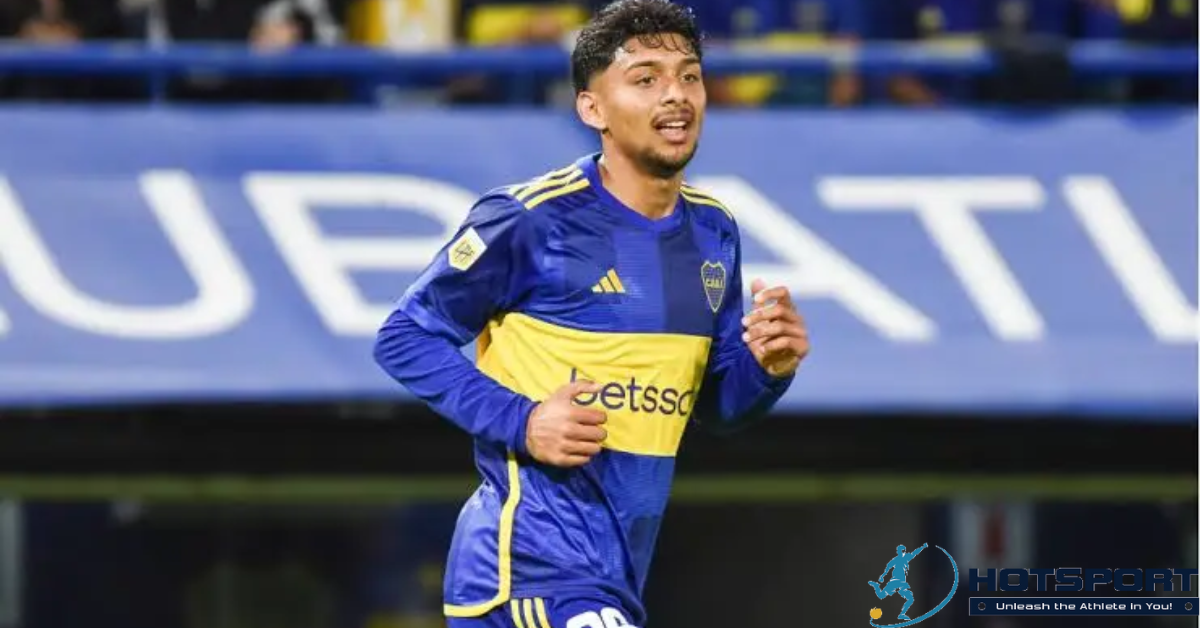
In a year marked by twists and turns in South American football, Jorge Carrascal has emerged as one of the most dynamic figures on the continent. Born in the sweltering streets of Cartagena, Colombia, this 27-year-old carries the tenacity of someone who grew up dreaming of the pitch. With his sharp vision and unpredictable dribbling, he has become an essential player for Flamengo, particularly in the club’s historic victory in the 2025 Copa Libertadores. But who is this midfielder who, under the scorching sun of Lima, lifted the continental trophy for the second time in his career? Let us explore the journey of a talent that blends Colombian tradition with the fast-paced rhythm of Brazilian football.

Early Steps: From Cartagena to the European Dream

Jorge Andrés Carrascal Guardo was born on May 25, 1998, in Cartagena de Indias, a port city where the Caribbean Sea sets the rhythm of life. The son of a humble family, he traded street games for the youth ranks of CD Heroicos, a local club that served as a springboard to Millonarios, a powerhouse in Colombia’s capital. At the age of 16, in 2014, Carrascal was already playing for Millonarios in the Categoría Primera A. His initial appearances were modest—only three matches with no goals—but his unmistakable spark was evident.

Destiny called him to Europe in 2016. At just 18, he signed a five-year contract with Sevilla FC in Spain and was immediately loaned to the club’s reserve team, Sevilla Atlético, in the Segunda División. His time there was limited to a single appearance, but exposure to professional European football instilled discipline in him. “It was a new world, with intense training and constant pressure,” Carrascal later recalled in an interview. This brief stint on the Iberian Peninsula served as a prelude to a journey that would take him to four different countries, proving that talent knows no borders.

The Breakthrough in Ukraine: Discovering the Taste of Victory

His true awakening came in Ukraine, where he was loaned to Karpaty Lviv in July 2017. What began as a temporary move became a longer stay. In the 2017-18 season, he played 22 matches in the Ukrainian Premier League, scoring six goals and drawing attention with his speed and creativity in the attacking midfield. In April 2018, he was named the league’s Player of the Month, a recognition that resonated even in his native Colombia.

The following season, 2018-19, saw his goal tally drop to zero in 16 appearances, but the Ukrainian period was formative nonetheless. “There, I learned to cope with the cold, homesickness, and the responsibility of being a foreigner who has to prove himself twice over,” he confided. This resilience prepared him for his next chapter: a loan to River Plate in Argentina in 2019. Under Marcelo Gallardo, Carrascal made his debut with a goal against Argentinos Juniors and, across 10 matches, contributed two goals. River Plate won the Primera División in 2021, and after becoming a permanent signing in 2020, he made 44 league appearances and scored three goals. It was at the Monumental de Núñez that he first experienced playing for a giant club with a fanbase that turns stadiums into cauldrons.

The Russian Adventure: Growth Under Pressure

Russian football presented a trial by fire. In 2022, Carrascal was loaned to CSKA Moscow, where he made 11 appearances and scored one goal in the Premier League. The club exercised its purchase option, and he remained until 2023, totaling 26 matches and six goals the following season. It was at Dynamo Moscow, where he transferred in August 2023 with a contract until 2027 (with an extension option), that he found greater stability. Over two seasons, he played 49 matches, scored seven goals, and was voted the club’s Player of the Month for March 2024 by the fans.

The harsh Russian winter and compressed schedule forged a more mature Carrascal. “Football there is physical and direct, but it helped me improve my game-reading ability,” he explained. In the 2024-25 season, he shone with seven goals in 26 matches, but his desire to return to South America grew. Rumors of dissatisfaction with the climate and distance from his family surfaced, and in June 2025, reports emerged of a preliminary agreement with Flamengo for the FIFA Club World Cup. The transfer was finalized on August 2 for €12.5 million, with a contract until June 2029. At 27, Carrascal returned to the continent where he had previously excelled, now bearing the weight of the red-and-black shirt.

Impact at Flamengo: From a Quiet Arrival to Libertadores Hero

His arrival at Flamengo was like a tropical storm. Under Filipe Luís, the former full-back turned manager, Carrascal competed for a spot in the attacking midfield alongside players like Arrascaeta and Everton Cebolinha. In his initial phase through November 2025, he accumulated 16 matches across all competitions, scoring three goals and providing four assists. In the Brasileirão, he played 12 matches, scoring two goals and delivering four assists—solid numbers for a newcomer.

His defining moment came in the 2025 Copa Libertadores. Carrascal was a key figure in the knockout stages, particularly the semifinals, where his vision dismantled opposing defenses. In the final on November 29 at Lima’s Estadio Monumental, Flamengo faced Palmeiras in an epic showdown. With the score locked at 0-0 for much of the match, Danilo headed the winning goal in the 72nd minute, securing a 1-0 victory. As an undisputed starter, Carrascal ran tirelessly across the pitch, enduring hard fouls from Veiga and Piquerez while delivering precise passes to the forwards. “He was the engine of the team, with passes that sliced through lines and dribbles that relieved pressure,” Filipe Luís praised after the match.

This triumph marked Flamengo’s fourth continental title (1981, 2019, 2022, and now 2025) and Carrascal’s second South American honor, following the 2019 Recopa Sudamericana with River Plate. In the locker room, he led an exuberant celebration—a blend of Caribbean rhythms and samba—that infected his teammates and went viral on social media. “That’s the Colombian way of celebrating: with joy and without fear,” he said as he lifted the trophy amid Peruvian fireworks.

Not everything was smooth; in November, a rib injury—an osseous edema without fracture, caused by a collision in a match against Sport—sidelined him for several weeks. However, he returned stronger, demonstrating his resilience. With two rounds remaining in the Brasileirão, Flamengo remains in contention for the title, and Carrascal dreams of a double.

Playing Style: Creativity and Versatility on the Pitch

What makes Carrascal special? Standing at 1.80 meters and predominantly right-footed, he operates as a central attacking midfielder but drifts to the flanks or even as a second striker. His strength lies in his creativity: vertical passes that break defensive lines, short dribbles in tight spaces, and a dangerous long-range shot. At Flamengo, Filipe Luís has praised his “quick decision-making near the penalty area,” a skill honed in Russia.

Frequently compared to compatriot James Rodríguez, Carrascal is more physical and less reliant on the spotlight. His assist rate—four in 12 Brasileirão matches—reflects a team-oriented player who elevates those around him. Critics have pointed to occasional inconsistencies in big matches, but his performance in the Libertadores final silenced many doubters. “He is the modern number 10: technically gifted, with the lungs to press high,” summarized an Argentine analyst.

The Colombian National Team: National Pride and a Promising Future

Carrascal made his senior debut for Colombia in September 2022 in a friendly against Guatemala (4-1). As of November 2025, he has earned 21 caps and scored two goals: one against South Korea in 2023 and another against the United States in 2024. He was a substitute in key matches as Colombia finished as runners-up in the 2024 Copa América under Néstor Lorenzo.

In youth international competitions, he shone with five appearances and one goal for the under-17 team in 2015, and seven matches with three goals for the under-23 side in 2020. “Representing Colombia is what drives me,” he says. With a Libertadores title to his name, Carrascal gains credibility ahead of the 2026 World Cup qualifiers, where Colombia seeks direct qualification.

Personal Life: Roots That Inspire

Off the pitch, Carrascal maintains a low profile. Raised in Cartagena by a mother who sold fruit in the market, alongside his siblings, he has often said, “She taught me that effort comes before talent.” Married and the father of a young son, he balances fame with regular visits to Colombia, where he supports social projects in underprivileged neighborhoods. Managed by GBG Global, he maintains partnerships such as with Adidas, maintaining a scandal-free image focused on football.

The Horizon: A Rising Star

With the Libertadores title freshly won, Carrascal sets his sights on the December 2025 FIFA Club World Cup and the Brasileirão. His market value, estimated between €5.7 million and €7.7 million, could surge with further trophies. For Colombia, he represents a link between generations: the heir to Carlos Valderrama and a partner to Luis Díaz.

Jorge Carrascal is more than just a player; he is proof that persistence and passion build legacies. From the Caribbean to the Maracanã, his story continues to inspire. And who knows? The next chapter may be written on the stage of a World Cup.

Trending Post

National Football

Abel Braga is one of the most respected and enduring figures in Brazilian football. Over more than five decades, he has built a career marked by significant achievements both on the field as an elite defender and off the field as a successful coach. His trajectory exemplifies dedication and deep identification with the sport, particularly with Fluminense, the club with which he shares a special and enduring relationship.

Early Steps and Career as a Player

Abel Carlos da Silva Braga was born on September 1, 1952, in Rio de Janeiro. His development as a player took place in Fluminense’s youth academy, where he quickly distinguished himself through his defensive solidity and natural leadership. He made his debut with the senior team in 1973 and, in a few years, became a fundamental piece in the club’s defense.

Abel’s primary achievement as a player was winning the Copa Libertadores in 1984, a historic milestone for Fluminense. That year, the Rio de Janeiro club reached the final against Olimpia of Paraguay and secured the title by defeating the opponent 3-1 in the return leg, after losing the first match by the same scoreline. As team captain, Abel was a central figure in the defense that ensured the championship, playing a key role in maintaining the security of the backline.

In addition to the Libertadores, Abel amassed other significant titles, including the Brazilian Championship in 1984, the Rio de Janeiro State Championship in 1983, 1984, and 1985, and the Rio-São Paulo Tournament in 1980. His tenure with Fluminense, where he played 655 matches and scored 49 goals, makes him one of the players most closely identified with the club. After retiring in 1990, following stints with Atlético Mineiro and Botafogo, Abel chose to follow in the footsteps of his father, João Braga, who was also a coach, and embarked on a career as a manager.

Transition to Coaching and Early Achievements

Abel’s early years as a coach were marked by challenges and a learning curve. He began his professional managerial career in 1990 with Botafogo, but it was with Fluminense that he achieved his first significant successes. In 1995, he led the team to the Rio de Janeiro State Championship title, overcoming a period of financial and technical crisis.

From that point onward, Abel managed various Brazilian clubs, including Internacional, Vasco da Gama, Athletico Paranaense, Cruzeiro, and Flamengo. His career as a coach has been characterized by periods of notable results interspersed with moments of inconsistency, a common feature in the highly competitive landscape of Brazilian football. However, his ability to rescue teams from difficult situations has consistently been one of his defining traits.

The Peak of His Career and Consolidation as a Coach

One of the high points of Abel Braga’s career came in 2006, when he led Internacional to victory in the Copa Libertadores. After eliminating strong opponents such as São Paulo and Chivas Guadalajara in the knockout stages, the Rio Grande do Sul club reached the final against São Paulo and won 2-1 in the decisive match in Porto Alegre. Abel, known for his calm demeanor and tactical focus, was instrumental in organizing a squad that included players such as Fernandão and Rafael Sobis.

This triumph solidified his reputation as a winning coach in continental competitions. Subsequently, in 2007, Abel returned to Fluminense during a period of severe financial and sporting crisis, with the club facing the threat of relegation in the Brazilian Championship. Under his leadership, the team avoided the drop on the final matchday, achieving a remarkable run of 16 consecutive unbeaten games. This feat, known as the “miracle of the eleven consecutive victories,” remains one of the most emblematic episodes of his career.

In 2008, Abel guided Fluminense to the Brazilian Championship title in a campaign filled with drama and efficiency. The team entered the final matchday needing a victory against Cruzeiro and a favorable result in the concurrent match between Palmeiras and Sport. A 1-0 win in Belo Horizonte, with a goal from Roger, secured the title in unexpected fashion. This championship, achieved amid a string of challenging results, further reinforced Abel’s reputation as a manager capable of overcoming adversity.

The Enduring Relationship with Fluminense

Abel Braga’s connection with Fluminense is, without question, the most defining aspect of his career. Across three stints as coach—from 1995 to 1996, 2007 to 2009, and 2011 to 2019, with a brief return in 2020—he managed the club in 662 matches, making him the longest-serving manager in its history. This relationship transcends mere statistics: Abel is regarded as an emotional and professional reference point for Fluminense.

Even after departing the club in September 2019 following an elimination in the Copa Sul-Americana, his influence persisted. In February 2020, Abel returned to Fluminense to conclude his managerial career, taking on the role of technical coordinator. This decision symbolized the end of nearly three decades managing teams and marked his transition to a strategic role within the club’s football department.

Legacy and Importance in Brazilian Football

Abel Braga’s legacy in Brazilian football is extensive and multifaceted. As a player, he was one of the standout defenders of his generation and a key member of one of Fluminense’s most successful eras. As a coach, he won three Rio de Janeiro State Championships, two Brazilian Championships, one Copa Libertadores, and one Copa dos Campeões, in addition to various other state titles with different clubs.

His approach to management is characterized by balanced leadership, with an emphasis on defensive organization and the ability to motivate players under pressure. Abel has consistently emphasized the importance of team unity and identification with the fanbase, values reflected in his major achievements. While critics have pointed to periods of inconsistency in his career, his supporters highlight that few teams can maintain a consistently high level of performance within the demanding schedule of Brazilian football.

Currently, Abel Braga serves as technical coordinator for Fluminense, where he contributes his extensive experience to the development of new coaches and the structuring of the football department. His continued presence reinforces a philosophy that values stability and the close-knit relationships among the professionals who shape the club’s history.

Conclusion

Abel Braga represents a generation of professionals who have devoted much of their lives to Brazilian football. His ability to succeed in diverse contexts—as a player on a Libertadores-winning team and as a coach who turned around seemingly hopeless situations—places him among the most significant figures in the country’s sporting history. Beyond trophies, what defines his career is resilience and loyalty, qualities that have made him a reference for players, fellow professionals, and supporters alike. In a football landscape characterized by constant upheaval and immediate pressures, Abel Braga stands as a symbol of consistency and commitment to the ideals of the sport he has chosen to pursue.

Introduction – Fluminense vs. São Paulo: a night of glory for one, a nightmare for the other.

The clash between Fluminense and São Paulo, held on November 27, 2025, at the Maracanã, was not just another Brasileirão game—it was a historic milestone that redefined expectations, exposed weaknesses, and opened new narratives for both clubs in the final stretch of the competition. On a night that surprised even the most experienced analysts, Fluminense delivered one of the most dominant performances in recent years, thrashing São Paulo 6-0, a result that will be recorded among the biggest wins in modern Brazilian football.

From the very first minutes, it was evident that we were witnessing an atypical match. Fluminense displayed above-average intensity, impeccable tactical organization, and surgical precision in their finishing, contrasting sharply with a São Paulo side that was out of control, emotionally vulnerable, and incapable of responding to any phase of the game. They lacked reaction, compactness, and even leadership on the field—and the embarrassing scoreline ultimately reflected what seemed inevitable: the biggest defeat for Fluminense in 24 years.

More than goals, statistics, and territorial dominance, this game exposes the psychological and emotional impact on two giant institutions. While Fluminense is experiencing a moment of ascension and consolidation on its way to the Libertadores Cup, São Paulo is facing a technical and mental collapse, needing to revisit its planning, its choices, and its identity as a club.

This analysis delves deeply into the performance, sporting consequences, statistics, and historical significance of this thrashing, offering the reader a complete overview of what Fluminense vs. São Paulo 2025 represented for the national scene.

The match – Goals, pace, dominance and mistakes by São Paulo

First half – Fluminense completely dominated and São Paulo offered no response.

Fluminense dominated the match from the first minute. With high pressure, intense movement, and offensive aggression, the Rio de Janeiro team gave São Paulo no chance to breathe. In the 9th minute, Agustín Canobbio converted a penalty awarded after a handball in the area, opening the scoring.

Shortly after, in the 16th minute, Martinelli took advantage of a cross and extended the lead with a precise touch into the back of the net. Three minutes into the first quarter of an hour — in the 24th minute — Nonato increased the advantage with a finish inside the area after good teamwork.

In less than 25 minutes, Fluminense was already winning 3-0. São Paulo was practically nonexistent offensively: their only shot on target up to that point was far from posing a real threat. The São Paulo defense proved fragile, disorganized in its marking, and vulnerable to aerial balls and quick transitions.

From that moment on, the feeling that the game was decided took hold. Fluminense maintained the rhythm, dominated possession, exchanged passes patiently, and prepared the ground to finish off the duel in the final stage. The first half—intense, vertical, and with absolute dominance—served as a rehearsal for the massacre that would follow.

Second half – Complete massacre, surgical precision, and utter collapse of the opponent.

After the break, Fluminense returned with the same intensity. In the 69th minute, John Kennedy scored the fourth goal, the result of a quick transition and a well-coordinated attack. Shortly after, in the 77th minute, Canobbio scored his second goal of the match, consolidating the Carioca team’s dominance.

To seal what can only be called a humiliation — or a football lesson — Kevin Serna found the net in the 87th minute, making the final score 6-0.

São Paulo offered no resistance. The team couldn’t build plays, lacked possession, had few shots on goal, made passing errors, and became disorganized defensively. Fluminense, on the other hand, showed why they’ve been touted as one of the Libertadores contenders in Brazil: under pressure, they maintained their composure, exploited mistakes, played intelligently, and finished the game with authority.

Statistics for the match – Fluminense vs. São Paulo

StatisticFluminenseSão Paulo
Final score60
Ball possession (%)56.3%43.7%
Total shots165
Shots on target111
Corner kicks34
Save by the opposing goalkeeper.15
Goals – first half30
Goals – second half30
Offensive rhythm and pressureHighest, constantInefficient, inconsistent
Offensive efficiency68% shots on target / goals~20% offensive effectiveness

These numbers reflect what was seen on the field: complete dominance by Fluminense, lethal precision, and a performance that will be remembered — while for São Paulo, the defeat exposes structural weaknesses and urgent needs that go beyond individual errors.

Impact of the thrashing — Immediate and long-term consequences of Fluminense vs. São Paulo

For Fluminense — a guaranteed spot, high morale, and the prospect of Libertadores.

With the six goals, Fluminense secured their place in the 2026 Copa Libertadores. The team reached 58 points and opened a comfortable lead over their pursuers in the fight for a direct spot in the group stage.

The resounding victory also serves as a morale boost, restoring the team’s confidence and demonstrating strength at home — factors that weigh heavily in future decisions, especially in knockout rounds. The fans breathe a sigh of relief, the club reaffirms its ambition, and the calendar takes on a positive outlook for 2026.

For São Paulo — crisis exposed, need for reconstruction, and pressure for answers.

For São Paulo, the impact is devastating. The 6-0 defeat represents their worst in 24 years, shows technical and strategic fragility, and jeopardizes the entire season’s planning. The club leaves the match without the strength to dream of the Libertadores Cup, distances itself from high ambitions, and depends on immediate rebuilding.

Players, coaching staff, and management will have to answer for it. Morale is damaged, the internal environment will be criticized, and the fans will demand a reaction—but they will have to deal with structural limitations and the urgent need to regain credibility.

Tactical analysis – What Fluminense did differently and how São Paulo floundered.

Fluminense’s strategy

  • High pressure from the start, forcing errors and quick recoveries.
  • Frequent use of the flanks and crosses, exploiting the opponent’s vulnerability in aerial balls and marking.
  • Quick and purposeful transitions: little possession-to-possession play, but speed and depth.
  • Offensive mobility and constant positional changes, confusing the opposing defense.

São Paulo’s mistakes

  • Disorganized defense, especially on aerial balls and in the defensive lines.
  • Midfielders unable to control the tempo or sustain a build-up play under pressure.
  • Lack of collective coordination — isolated players, without support in transitions and attacks.
  • Leadership problems: lack of leadership on the ground, lack of effective key players, lack of energy to react.

Conclusion – Fluminense vs. São Paulo

The 6-0 thrashing of Fluminense by São Paulo goes far beyond the pitch and the impressive result. It symbolizes two completely opposite paths taken by the clubs in the 2025 Brazilian Championship. On one side, we see a mature, disciplined, confident Fluminense, aware of its own potential — a team that knew how to transform the Maracanã into a stage for affirmation, securing not only three points, but a clear declaration to the country: the club is prepared for greater things, especially the coveted Libertadores Cup.

On the other hand, São Paulo is going through a moment that demands deep reflection. The worst defeat in 24 years exposes not only technical flaws, but also structural, emotional, and strategic problems that have accumulated throughout the season. This game will be remembered not only for the score, but for the collective collapse of the team at one of the most decisive moments of the tournament. Reconstruction becomes mandatory—both on and off the field—if the club wants to prevent this episode from becoming a symbol of an even greater crisis.

In the end, the duel reveals a truth that football frequently reminds us of: there are no shortcuts to success. Clubs that work well, plan, and reinvent themselves reap the rewards. Clubs that ignore their own warnings end up surprised by the consequences.

For Fluminense, this is a positive and historic turning point. For São Paulo, a painful reminder that greatness needs to be sustained daily.

FAQs – Frequently Asked Questions about Fluminense vs. São Paulo

  1. What was the final score of the match?Fluminense 6 x 0 São Paulo.
  2. Who scored the goals for Fluminense?Agustín Canobbio (penalty and another goal), Martinelli, Nonato, John Kennedy and Kevin Serna.
  3. Is this defeat historic for São Paulo?Yes. It’s the club’s worst defeat in 24 years.
  4. What does this result mean for Fluminense?It guarantees a spot in the 2026 Libertadores Cup, boosts morale, and restores confidence.
  5. And what about São Paulo?It requires urgent restructuring; weaknesses exposed; technical and emotional crisis.
  6. What was the ball possession?Fluminense 56.3% / São Paulo 43.7%.
  7. How many shots on goal did Fluminense have? And São Paulo?Fluminense: 16 shots (11 on target). São Paulo: only 5 shots (1 on target).
  8. Does the thrashing put Fluminense among the favorites for the title?It certainly strengthens his candidacy, especially by combining efficiency, collective action, and conviction.
  9. What changes for São Paulo for the remainder of the season?There is an extreme urgency to regain credibility, correct defensive weaknesses, and reorganize the internal structure.
  10. Does this result signal change in Brazilian football?This demonstrates that well-structured clubs, with focus, teamwork, and planning, can overcome crises — and that instability can exact a high price.

Introduction – Juventude vs. Bahia: pressure, risk, and expectation

The match between Juventude and Bahia, played on November 28, 2025 at Alfredo Jaconi stadium, was more than just a game in the 36th round of the Brasileirão — it was a clash of completely different, yet equally tense, realities. While Bahia desperately sought points to keep them alive in the fight for a spot in the G-5 (top five), Juventude faced an emotional, physical, and tactical battle to avoid imminent relegation.

The match carried a heavy atmosphere from the opening whistle. Bahia arrived under pressure due to an unstable away record, alternating good performances with sharp drops in form. Juventude, on the other hand, depended directly on the result to avoid sinking further into the relegation zone. The fans packed the stadium with a mixed feeling of hope and despair — every play felt like a final.

Furthermore, the timing of the season amplified everything: the final stretch, minimal margin for error, and direct impacts on the standings. Anyone who follows the Brasileirão knows that with only three rounds left, the games cease to be purely technical; they become psychological, strategic, and explosive.

This backdrop creates the perfect context for understanding why Juventude vs. Bahia was one of the most tense matches of the round — and why the 1-1 draw left a bitter taste for both sides.

The game – Dynamics, goals and decisive moments: Juventude vs. Bahia

First half – Bahia takes the lead, Juventude reacts.

Bahia started with more possession and showed control in the opening minutes. The idea was to build plays patiently, take advantage of the midfielders’ talent, and exploit counter-attacks. The strategy worked, and at 20 minutes, the right striker came in from outside the box and scored the first goal of the night, putting Tricolor in the lead.

The goal seemed to give Bahia some comfort, but Juventude wasn’t intimidated. The home team started to improve their ball distribution, accelerate down the flanks, and look for crosses. In the 28th minute, in a well-worked aerial play, Gabriel Taliari took advantage of the chance and tied the game — 1-1.

With the score tied, the atmosphere changed. Bahia began to feel the pressure and lost some of its offensive fluidity. Juventude, energized by the support of their fans, began to attack with more conviction. The first half ended with an air of uncertainty: the score was tied, but the game was open, with danger for both sides.

Second half – Pressure, missed chances, and a draw that weighs heavily.

After the break, Bahia tried to regain control, but Juventude grew in confidence and began to dominate the physical duels. The home team pressed high, gave no space, and sought to impose their rhythm. The intensity increased, with possession plays, crosses, and aerial balls, in an attempt to turn the game around.

Despite Juventude’s high volume of play, Bahia managed to hold firm defensively when necessary. The goalkeeper stood out with important saves, and the defense prevented a series of dangerous shots. Even with errors, Bahia controlled the game. Juventude had chances—corner kicks, shots from outside the box, through balls—but lacked precision in the final moments.

In the final minutes, Juventude threw everything into trying to secure the victory, a worthy effort in the face of relegation threats. Bahia, with a fighting spirit, resisted. When the referee blew the final whistle, the 1-1 draw reflected a hard-fought game, full of tension and with strong consequences for both sides.

Match statistics – Juventude vs Bahia

StatisticYouthBahia
Score11
Finishing touches1815
Shots on target85
Ball possession45.4%54.6%
Corner kicks75
Goalkeeper saves35
Yellow cards23
Clear chances34
Estimated xG1.051.22
Accurate passes80%86%
Balls recovered1916
Ball losses1712
Dangerous counterattacks43
Mistakes committed1215

These numbers help explain why Juventude vs. Bahia ended in a draw: technical balance, offensive volume from both sides, and a lack of decisive precision.

Standings — The Draw That Complicates Two Seasons

For Youth — survival hanging by a thread

The team remains stuck at the bottom of the table, depending on a combination of results.
A draw, which might have been good in other rounds, at this point:

  • It didn’t take the club out of the relegation zone.
  • made relegation mathematically imminent.
  • exposed weaknesses in creation and completion.
  • increased internal tension and tension among fans.

For Bahia — frustration and the risk of losing their place in the top five.

Bahia had victory in their hands and lost precious points.
Direct impacts:

  • wastes a real chance to get closer to the G-5
  • continues to be irregular when away from home.
  • pressure increases on squad and coaching staff.
  • It turns the final rounds into premature finals.

Tactical Analysis — How each team played

Youth: intensity, long balls and width

The team bet on:

  • quick launches
  • incessant crossings
  • compact lines
  • well-executed post-loss pressure

What was missing: decisiveness, composure, and the final pass.

Bahia: possession, circulation and speed

Bahia played very well:

  • quick lane changes
  • interior construction
  • offensive triangulations

But he sinned in:

  • Physical collapse in the second half
  • excessive retreat
  • isolated defensive lapses

Consequences and context — Impact of the draw for Juventude vs. Bahia

For Juventude, the draw represents yet another stumble at home — where a victory was essential to keep alive their hopes of remaining in Série A. With 34 points unchanged, the team remains second-to-last and depends on the results of their direct rivals. Their inconsistency and lack of offensive efficiency make the mission increasingly difficult, and the risk of relegation becomes a real possibility.

Bahia leaves Alfredo Jaconi with a feeling of missed opportunity. The team had control, started ahead, and demonstrated quality at various points in the game—but failed to transform that superiority into victory. The draw hinders their ambition to reach the G-5 and brings uncertainty closer to the final stages of the season. For the fans, there was disappointment; for the coaching staff, the need for adjustments in defensive performance away from home and offensive precision in decisive moments.

For the championship as a whole, the duel reaffirms a classic characteristic of Serie A: unpredictability. A team under pressure can match the strength of a favorite; an organized team can feel the pressure and falter. The fight against relegation and for qualification remains intense — and every point counts.

Conclusion – Juventude vs. Bahia

The draw between Juventude and Bahia perfectly encapsulates the essence of the Brazilian Championship: unpredictable, dramatic, emotional, and cruel. For Juventude, the result carries immense weight—the team fought, dominated part of the game, and showed heart, but once again fell short in the detail that separates staying in the league from relegation. The frustration is immense, and the fans feel that the team let slip one of its last real chances of a comeback.

For Bahia, the feeling is different — but equally painful. The team dominated, took the lead, had clear chances to kill the game, and yet allowed their rival to grow stronger. Inconsistency away from home continues to be a serious obstacle for those who dream big. A place in the top five is still within reach, but Bahia will now have to show the emotional maturity and tactical precision that were lacking in this game.

In the end, Juventude vs. Bahia leaves clear messages:

  • Bahia’s fate is in their own hands, but they have little room for error.
  • Youth depends on itself… and on others — a critical situation;
  • The Brazilian Championship, as always, is decided by details, courage, and consistency;
  • The next rounds will be exciting, unpredictable, and decisive.

FAQs – Frequently Asked Questions about Juventude vs. Bahia 11/28/2025

  1. What was the final result of the game?Juventude 1 x 1 Bahia.
  2. Who scored the goals?Ademir scored for Bahia, and Gabriel Taliari equalized for Juventude.
  3. What is Juventude’s relegation situation after the draw?The draw wasn’t enough; the club remains close to the relegation zone and depends on other results.
  4. What did Bahia gain from the draw?They maintained a strong position in the standings, but wasted an important chance to break into the top five.
  5. Who stood out in the game?Bahia’s defense made important saves; Juventude showed commitment and offensive creativity, especially through their battles on the flanks and crosses.
  6. How many shots on goal did Juventude have? And Bahia?Juventude: 18 shots on goal; Bahia: 15.
  7. Did they dominate possession of the ball? Which team had more?Yes — Bahia had more possession (approx. 54.6%), but Juventude matched them in chances and attacking volume.
  8. Does this draw help or hurt the teams?It hurts Juventude, who needed the victory to escape the relegation zone; and frustrates Bahia, who were looking to win away from home and secure a place in the top five.
  9. What does Juventude need to do in the next few rounds?Take advantage of playing at home, capitalize on crosses and aerial balls, correct defensive errors, and convert chances into goals.
  10. What adjustments should Bahia make for the end of the season?Improve consistency away from home, be more clinical with your chances, and avoid dips in pace in the second half.

NBA

In a year marked by intense battles in South American football, Erick Pulgar emerges as one of the continent’s most solid and inspiring figures. Born in the hot sands of Antofagasta in northern Chile, the 31-year-old midfielder found in Flamengo not just a club, but a home where his grit and game vision have been transformed into trophies. With the recent victory over Palmeiras in the Copa Libertadores final on November 29, 2025, Pulgar lifts his second continental trophy, solidifying himself as a fundamental piece in Mengão’s fourth title. This story goes beyond the pitch: it’s about overcoming, adaptation, and the fire that burns in those who carry the weight of representing an entire nation.

Humble Origins: From the Chilean Deserts to the Football Dream

Erick Antonio Pulgar Farfán came into the world on January 15, 1994, in Antofagasta, a Pacific-bathed port city known more for its copper mines than for cradles of stars. Son of a modest family, Pulgar discovered football at six years old, kicking a ball in the dusty streets with Miramar Club Sur Este, a local team that shaped his first dribbles. “It was all improvised, but that’s where I learned to fight for every inch,” he recalls in past interviews, echoing the typical resilience of northern Chileans.

At 15, fate smiled: during a youth tournament, scout Carlos Cárcamo spotted him and took him to the youth academy of Deportes Antofagasta. There, Erick started as a winger and left-back, positions that demanded speed and endless stamina—qualities he still displays today, at 1.87m tall. His professional debut came in 2013, and he soon became an undisputed starter. In 38 games for the club of his heart, he scored two goals and was named the best player of the 2014 season. Those years were tough lessons: the team fought to avoid relegation in the Chilean Primera B, and Pulgar, with his fierce marking, was the shield that prevented the worst.

The turning point came in June 2014, when Universidad Católica bet US$400,000 on 70% of his rights. He signed for three years and, despite the team’s irregular campaign, shone individually: seven goals in 35 league matches. Under Mario Salas, Pulgar shifted to defensive midfield, where his stature and game reading turned him into a relentless ball recoverer. “He’s one of those who seems to read the future of the game,” Salas praised at the time. It was the springboard to Europe, where the world awaited him.

The European Adventure: From Bologna to Fiorentina, Lessons in Intensity

The leap to the Old Continent happened in August 2015, when Bologna of Serie A signed him for four seasons. With the number 5 on his back—a number that follows him to this day—Pulgar faced the tactical rigor of Italian football. In 100 league games, he scored 10 goals, showing a scorer’s instinct on set pieces and a commitment that won over the rossoblù fans. His contract extension in 2019 until June 2022 was well-deserved: he became captain and on-field leader.

But the peak—and the challenges—came at Fiorentina, where he transferred in August 2019. In Florence, the City of the Renaissance, Pulgar lived the height of his Italian career: 74 Serie A matches, eight goals, and an immediate identification with the viola. He marked with the precision of a surgeon and distributed passes like a maestro, helping Viola flirt with European spots. However, injuries and the COVID-19 pandemic—he tested positive in August 2020—tested his resolve. In February 2022, a loan to Galatasaray in Turkey provided a breather: 11 games and a domestic title, reigniting his hunger for victories.

Those years in Europe forged the Pulgar we know today. Far from family, he learned to handle the pressure of packed stadiums and voracious rivals. “Italian football taught me to be patient, but Turkish football gave me back my passion for chaos,” he once confided. It was that baggage that brought him back to South America, ready for a new chapter.

Arrival at Flamengo: Adaptation and the Fire of Mengão

In July 2022, Flamengo paid €3 million to Fiorentina to repatriate Pulgar to the Americas. The initial contract ran until December 2025, but in March 2025, after tense negotiations, it was extended until the end of 2027, with a US$6 million release clause starting mid-2026. The rubro-negra crowd, always eager for impactful reinforcements, received him with initial skepticism—after all, how would a Chilean fit into the samba of the Maracanã?—but Pulgar silenced the doubts with actions.

Under coaches like Jorge Sampaoli—who launched him in the Chilean national team—he became the pillar of the midfield. In 89 league games up to May 2025, he scored three goals and provided precise assists. His relentless marking and peripheral vision allowed creators like Arrascaeta to shine. In 2023, he took home the Bola de Prata, the award for best player in his position in the Brasileirão. The following year, he was selected for the ideal team of the Campeonato Carioca and Copa do Brasil. And in 2025, the Carioca trophy joined his collection again.

But it wasn’t all glory. In June 2025, during the Club World Cup, a hard challenge against Bayern Munich left him with a lower body injury, carried off on a stretcher after an accidental own goal. “Pain is part of it, but the title heals everything,” he said upon his return. Recovered, Pulgar became the team’s thermometer: tireless in high pressing, he recovers balls like few others and initiates lethal counterattacks.

The Chilean National Team: National Pride and Eternal Moments

Representing Chile is what drives Pulgar since his youth days. He debuted for La Roja in 2015 and, up to October 2024, has 54 caps and four goals. The first came in the 2019 Copa América against Japan (4-0), a header that echoed like a national anthem. Two more in the 2022 World Cup qualifiers against Bolivia and Venezuela showed his scoring vein in key moments.

The highlight? The 2016 Copa América, won on penalties against Messi’s Argentina. Pulgar, then a rookie, was a key piece in defense. “Lifting that trophy in New Jersey was like being reborn,” he reflects. Today, at 31, he leads a transitioning generation, playing qualifiers and friendlies with the same hunger. His partnership with Sampaoli in both the national team and Flamengo creates a perfect symbiosis, where tactics and emotion merge.

Playing Style: The Giant Who Protects and Creates

What makes Pulgar special? His versatility. Tall and fast, he covers the field like a defender in midfield, intercepting passes with impeccable timing. “He’s a natural recoverer, but with silky feet for long passes,” analyzes Brazilian journalist Juca Kfouri. At Flamengo, his tackles per game rate is among the highest in Serie A, and he rarely errs on launches. He can play as a holding midfielder, center-back, or even libero in three-back schemes. Critics point to flaws in hard fouls—like in the Libertadores final—but it’s that intensity that defines him: he plays 100%, no half-measures.

The Epic 2025 Libertadores Final: Hero Despite the Controversies

November 29, 2025, will be etched in rubro-negra history. At the Estadio Monumental in Lima, Flamengo faced Palmeiras in the Libertadores final. The match, delayed 15 minutes, ignited at the 28th minute: a foul by Bruno Fuchs on Arrascaeta sparked widespread chaos. In the heat of the moment, Pulgar received a yellow for unsportsmanlike conduct after a reckless challenge on Fuchs—the Brazilian press, like Globo Esporte, criticized the “imprudence” that could have cost a red card. “If I play 100%, that passes. If it’s 10%, they eject me,” he retorted post-match, trophy in hand.

Mengão won 1-0, with a goal from Bruno Henrique, and Pulgar played the full 90 minutes: he blocked crucial shots, like one from Felipe Anderson at the end, and dictated the tempo. It was his second continental title—the first as an undisputed starter. The celebration in Rio was deafening: fans chanted “Pulgar, monster!”, and he, emotional, dedicated it to his family and Chile. Rumors of interest from French side Rennes surfaced in the winter, but the contract extension sealed his future in Brazil.

Personal Life: Family, Faith, and a Legacy Beyond the Field

Off the four lines, Pulgar is a family man. Married and a dedicated father, he balances football’s madness with simple routines: barbecues with teammates and calls to Antofagasta. His Catholic faith is a pillar, and he supports social causes in Chile, like projects for underprivileged youth in peripheral neighborhoods. “Football took me off the streets; now I give back,” he says. Injuries, like the one in June, brought him closer to philanthropy, and he plans a football academy in his hometown after hanging up his boots.

A Bright Future: More Titles and an Eternal Legacy

At 31, Pulgar is at his peak. At Flamengo, he eyes the sixth Brasileirão and another Libertadores. For the national team, he dreams of the 2026 World Cup. His contract until 2027 ensures stability, but the football world knows: talents like him transcend borders. Erick Pulgar is not just a player; he is the symbol that, with grit and humility, the desert can bloom into continental glory.

In a sport of ephemera, Pulgar builds eternity. Bring on more battles—the Mengão, and South American football, thank you.

Related News

MLB

Introduction – West Ham vs Liverpool

On Sunday, November 30, 2025, West Ham and Liverpool faced each other at the London Stadium in a Premier League 2025/26 match. The duel, surrounded by pressure on both sides, ended with a 2-0 victory for Liverpool. The match represented not only the search for three points, but also a chance for recovery for the Reds after a disastrous run of form, and for West Ham to move away from the relegation zone.

The clash between West Ham and Liverpool at the London Stadium carried a special weight. For Liverpool, it was a chance to breathe after weeks of chaos, criticism, and doubts about Arne Slot’s work. A club accustomed to competing for titles found itself immersed in its worst phase in seven decades. The consecutive defeats were not just numbers, but symptoms of a team that was emotionally fragile, unable to transform dominance into results.

On the other side, West Ham treated the match as an opportunity to reconnect the team and the fans amidst the fight against relegation. The tribute to Billy Bonds created an emotional atmosphere, but also added expectation: the team needed to respond on the field. They lacked consistency, composure, and a collective performance that represented the club’s competitive spirit.

The atmosphere before kickoff made it clear: this wasn’t just another Premier League game. It was a test of emotional, technical, and tactical survival for two clubs seeking completely different paths in the season. The way Liverpool reacted and how West Ham became disorganized throughout the match tells a much bigger story than the simple 2-0 scoreline.

Pre-game – Atmosphere, context and what was at stake

Pressure on Liverpool

Liverpool came into the match under pressure. The team was coming off an alarming run of poor results — nine defeats in their last twelve games across all competitions, their worst run in 70 years.

Furthermore, there was anticipation surrounding manager Arne Slot, who opted to leave star player Mohamed Salah out of the starting lineup for the first time in the Premier League since April 2024.

The pressure was immense: he needed a result that would represent a genuine return of confidence and competitiveness.

West Ham: a chance to breathe

For West Ham, the game represented an opportunity to escape the relegation zone. The team, vulnerable defensively, was seeking stability under the recently hired manager Nuno Espírito Santo — and needed to take advantage of playing at home.

Furthermore, the match carried an emotional weight: the club paid tribute to its legend Billy Bonds, who had recently passed away. The fans were seeking extra encouragement and motivation.

For both sides, it was more than just three points: it was a watershed moment.

Formation, strategy and start of the match

Liverpool started with a 4-2-3-1 formation, making changes in an attempt to break their goal drought. Salah’s absence was compensated for by the inclusion of Alexander Isak in the starting lineup – an expensive signing who had previously failed to score in the Premier League for the Reds.

West Ham lined up in their traditional 4-2-3-1 formation, attempting to utilize quick transitions and crosses, while also aiming to mobilize the crowd as an extra factor at the London Stadium.

During the first half, Liverpool maintained reasonable control of the ball, alternating between patience in build-up play and speed in transitions. But the chances created were neutralized by West Ham goalkeeper Alphonse Areola, who made some good saves.

West Ham, in turn, sought to press on counter-attacks and balls created down the wings, but lacked precision in their finishing.

Second Half – Turnaround, goals, and the drama of the sending-off.

The final stage brought a decisive change of pace. In the 60th minute, Alexander Isak finally broke his Premier League goal drought: he received a pass from Cody Gakpo and struck with precision to open the scoring. It was the Swede’s first league goal in a Liverpool shirt.

The goal changed the dynamics of the game. Liverpool gained confidence, and West Ham felt the impact. The pressure increased, and the atmosphere at the London Stadium changed.

To make matters worse for the Hammers, in the 84th minute, midfielder Lucas Paquetá was sent off for excessive arguing with the referee after receiving two consecutive yellow cards. His departure made the situation even more difficult for the home team.

With a numerical and moral advantage, Liverpool held control until the end and, in stoppage time — at 90+2 minutes — Gakpo sealed the victory with a comfortable goal, making the final score 2-0.

Statistics and overview of the match – West Ham vs Liverpool

StatisticWest HamLiverpool
Goals02
Total shots714
Shots on target05
Clear chances03
Expected Goals (xG)0.281.87
Ball possession43.8%56.2%
Accurate passes356482
Passing accuracy81%87%
Disarms1215
Absences119
Yellow cards31
Red cards1 (Paquetá)0
Corner kicks72

These numbers paint a clear picture: Liverpool were superior, more precise, and more emotionally stable when they needed to control the game.

Impact of the victory – Consequences for West Ham vs Liverpool

For Liverpool

  • The victory breaks a terrible streak: the Reds had been on a run of defeats and poor results. This triumph represents a sigh of relief for the fans and coaching staff.
  • Isak’s first Premier League goal for the club represents a significant turning point for the Swede, relieving pressure and boosting his confidence.
  • The confidence gained from this game can fuel the pursuit of top positions and a climb up the table.

For West Ham

  • Paquetá’s expulsion leaves a bitter taste: in addition to losing a player, the team compromised its offensive capabilities in the final moments.
  • The home defeat complicates the situation at the bottom of the table and puts pressure on the team to react in the coming rounds.
  • The situation demands defensive adjustments and greater tactical consistency — mainly to avoid individual errors that could cost games.

For the 2025/26 Premier League season

  • The result reignites the rivalry between giants: Liverpool shows it remains competitive, increasing the uncertainty in the fight for the top spot.
  • West Ham’s instability underscores the drama faced by teams struggling to stay out of the relegation zone—a classically unpredictable environment in the Premier League.

Individual analysis – Who stood out (and who disappointed)

  • Alexander Isak : crucial. He broke the negative streak and gave Liverpool their first goal. His performance shows signs of recovery in fitness and confidence.
  • Cody Gakpo : intelligent, involved, and accurate at the right moment, sealing the score and securing the three points.
  • Florian Wirtz : He came on with the responsibility of supplying the attacking sector and helped maintain the creation of chances. His performance was praised for his daring attitude.
  • Alphonse Areola : He was one of the few to stand out for West Ham. He made important saves in the first half, preventing the score from becoming even more unfavorable earlier.
  • Lucas Paquetá : his expulsion changed the course of the match. His complaining attitude and lack of emotional control cost the team dearly.

The psychological impact of the first goal.

Isak’s goal in the 60th minute had an immediate effect on the behavior of both teams. Liverpool, previously tense and predictable, began to circulate the ball with confidence. Passes flowed more naturally, and the attack moved with more freedom. The team felt capable of controlling the game again.

For West Ham, the goal caused a disconnect. The defensive sector retreated too much, the midfield stopped compacting, and the transitions, previously quick, lost intensity. The team felt the emotional impact and couldn’t respond according to the game plan.

West Ham’s emotional collapse

Lucas Paquetá’s sending off didn’t come out of nowhere. The midfield was already showing signs of discomfort with Liverpool’s dominance, and the pressure from the fans demanding a reaction was weighing heavily. Paquetá, one of the team’s technical leaders, took responsibility but lost control.

A lack of emotional balance has become a symbol of West Ham’s current form. The team has talent, but fails to maintain composure in crucial moments, and this has cost them precious points.

Liverpool’s evolution without the ball.

Much has been said about Liverpool’s possession, but what really changed in this match was their behavior without the ball. The team pressed intelligently, closed passing lanes, and prevented West Ham from finding their playmakers between the lines.

Liverpool, who had been struggling with gaps left in defensive transitions, this time appeared compact and focused. Credit goes to Slot’s tactical adjustments, who finally found a balance between aggression and security.

The rebirth of Isak and Gakpo as a duo

The partnership between Isak and Gakpo breathed life into Liverpool’s attack. It wasn’t just about scoring, but about how they complemented each other:

  • Isak attacked open spaces and won physical duels.
  • Gakpo dropped back, organized plays, and chose the right moments to accelerate.

This complementarity, absent in previous games, gave Liverpool a new offensive dimension and could be a turning point for the remainder of the season.

Conclusion – West Ham vs Liverpool: recovery, pressure, and a fresh start

The West Ham vs. Liverpool match ended 2-0, but its significance goes far beyond the score. It was a resurrection game for the Reds, who managed to stop their crisis, regain confidence, and prove they are still in the fight.

For Liverpool, this is a victory that could serve as a turning point. Isak’s goal, the well-constructed defensive setup, and the return to defensive consistency reveal that, when focused, they can once again be a force to be reckoned with at the top. The collective performance was mature: patience in build-up play, speed in transitions, and efficiency when opportunities arose.

For West Ham, the defeat exposes technical and emotional weaknesses. The team needs to find balance, avoid lapses in concentration, and improve its control of the tempo. Paquetá’s sending-off highlights that discipline and composure will be essential for staying in the league.

For the Premier League, we have yet another demonstration of why the championship is one of the most unpredictable in the world: yesterday it was a crisis; a few plays later, a turnaround can happen.

If you enjoy detailed analysis, statistics, and comprehensive coverage of the major games, keep following our content.

FAQs – Frequently Asked Questions about West Ham vs Liverpool 2025

1. What was the final score of West Ham vs Liverpool?
Liverpool won 2-0 .

2. Who scored the goals in the game?
Alexander Isak scored in the 60th minute and Cody Gakpo sealed the victory in the 90+2 minute.

3. Was there a sending-off in the game?
Yes. West Ham midfielder Lucas Paquetá received two yellow cards for dissent and was sent off in the 84th minute.

4. Why is a win so important for Liverpool?
Because it ends a bad run of nine defeats in 12 games, restores confidence, and gives the squad morale to seek recovery in the Premier League.

5. Did West Ham play badly?
Not necessarily badly the whole time — there were defensive plays and good saves by Areola. But the sending-off and the lack of offensive efficiency compromised their performance.

6. Does this result change anything in the Premier League standings?
Yes. It continues Liverpool’s rise, reigniting their fight for the top spots. For West Ham, it complicates their struggle to avoid relegation.

7. Is Isak now poised to establish himself as a starter?
The trend suggests so — the goal gives him confidence and could accelerate his adaptation to the club.

8. What does West Ham need to improve?
Discipline on the field, greater offensive efficiency, and more defensive proactivity to avoid setbacks in crucial matches.

Introduction – Chelsea vs Arsenal

The classic Chelsea vs. Arsenal match, played on November 30, 2025 at Stamford Bridge, delivered everything a great London derby usually offers: intensity, pressure, tension, a player sent off, and a score that kept the fight at the top of the table even more intense. The 1-1 draw was not just a statistical result, but a reflection of a duel between two teams experiencing decisive moments in the Premier League.

The atmosphere in London was one of pure nervousness. Chelsea sought to maintain their pursuit of the leaders and consolidate their strength at home, while Arsenal defended their lead and unbeaten record in the title race. Every duel, every challenge, every set piece carried the weight of a decisive match.

The match took a dramatic turn in the first half with the sending off of Moisés Caicedo. Even with one player less for more than 50 minutes, Chelsea opened the scoring and showed determination. Arsenal, on the other hand, responded with technical quality and ball control, equalizing with a powerful header from Mikel Merino.

This article delves into all the details of the Chelsea vs. Arsenal match. Here you’ll find tactical analysis, emotional overview, complete statistics, impact on the standings, and consequences for both sides for the remainder of the season.

Pre-match – Expectations, Pressure and the Scenario for Chelsea vs Arsenal

Chelsea’s expectations

Chelsea entered the field under pressure, but confident in what they have built throughout the season. With a young squad and an increasingly solid defense, the team knew they needed to win to prevent the gap to their rival from widening.

Furthermore, there’s the home advantage. Stamford Bridge was packed, pulsating, transforming the derby into an electric atmosphere. The fans demanded intensity, especially against the league leaders. A derby of this magnitude is always charged with emotion, rivalry, and historical narratives.

Tactically, the plan was clear: use speed on the wings, strength in duels, and set pieces as the main weapon. The coach knew that Arsenal had territorial control, so it was necessary to be aggressive, direct, and precise.

Internally, players like Reece James, Gallagher, and Enzo Fernández treated this game as more than just three points. It was a chance to show personality and emotional balance against an opponent in great form.

Arsenal’s expectations

Arsenal went into the derby as sole leaders of the Premier League. The team is experiencing one of its best periods under Arteta’s management, with a well-defined system and consistent performance. Even so, everyone knew that Chelsea vs. Arsenal is a game that doesn’t forgive lapses in concentration.

Arsenal’s pre-match approach was one of absolute focus. Even away from home, the team sought to impose their rhythm, control possession, and exploit the spaces between the lines—especially with Odegaard and Saka orchestrating attacking moves.

In the locker room, the atmosphere was one of responsibility. Maintaining their lead in the standings meant avoiding the kind of stumble that historically complicated things for the Gunners. Furthermore, facing a rival at their home ground always demands extra discipline.

Emotional pressure also weighed heavily. With a more mature squad accustomed to big games, Arsenal knew they could turn the game around mentally if they controlled the pace and managed the pressure of the stadium.

Lineups and Tactics in the Chelsea vs Arsenal match

Chelsea took to the field with a flexible 4-3-3 formation, capable of forming a high block under pressure and, at the same time, dropping back to compact the lines. The Blues relied on intensity, physical duels, and quick build-up play down the flanks. Reece James was a constant weapon, especially on set pieces.

After Caicedo’s expulsion, the formation changed completely. Chelsea switched to a more defensive variation, with a 4-4-1, prioritizing central protection and counter-attacks. Even so, they maintained an aggressive posture in transitions.

Arsenal, for their part, maintained their 4-3-3 formation with short triangulations, width on the wings, and plenty of circulation between the midfielders. The team sought to wear down their opponent with patience and coordinated movement.

When Chelsea were reduced to 10 men, Arteta reorganized his lines to push the opponent back into their own half. Arsenal then began to dominate territorially, pressing high up the pitch and exploiting aerial play – which even led to Merino’s equalizing goal.

First Half – Pace, tension, and the sending-off that changed everything.

The start of the match was balanced. Chelsea and Arsenal shared possession, created small attacks, and sought to adjust their rhythm. The Blues concentrated their attacks down the flanks, especially with James and Mudryk exploiting the space. Arsenal, on the other hand, relied on passing in the middle, trying to draw the opponent out and create openings.

Gradually, Arsenal gained more territorial control, but Chelsea remained competitive and solid in their duels. The tension grew, the tackles became more intense, and the atmosphere of a derby took over Stamford Bridge.

In the 38th minute, an incident occurred that changed the course of the match: Moisés Caicedo received a straight red card after a hard tackle on Mikel Merino. The play, reviewed by VAR, generated protests from the Chelsea players and inflamed the atmosphere of the game.

The sending-off forced Chelsea to completely reorganize their structure. Even so, the team remained focused, held the score at 0-0 until halftime, and showed they wouldn’t be easily dominated.

Second Half – Chalobah’s goal, Arsenal’s response, and the final drama.

Right after the break, the improbable happened. Even with one player less, Chelsea opened the scoring in the 48th minute. From a corner kick, Reece James delivered the ball with precision and Trevoh Chalobah rose at the right time to score a brilliant header.

The stadium erupted. The goal reignited the team and put emotional pressure on Arsenal.

But the Gunners didn’t take long to respond. In the 59th minute, Bukayo Saka found space on the right and delivered a perfect cross for Mikel Merino, who headed home firmly to equalize. It was an emotional blow for Chelsea, who were already overwhelmed defensively.

After the equalizer, Arsenal increased their attacking pressure, creating dangerous chances with shots from Havertz, Saka, and Odegaard. Sánchez was decisive in preventing a comeback on at least three occasions. In the final minutes, Chelsea bravely resisted, securing a precious point given the circumstances.

The match ended with a sense of frustration for Arsenal, who had hoped to win against a 10-man opposition, but also with pride for Chelsea, who displayed composure, fighting spirit, and exemplary defensive execution.

Full stats – Chelsea v Arsenal

Chelsea 1–1 Arsenal

StatisticChelseaArsenal
Goals11
Finishing touches915
Shots on target46
Ball possession37%63%
Corner kicks36
Passing accuracy78%87%
Absences1411
Cards1 red2 yellows
xG1.11.7
Defenses52

The statistics clearly illustrate the context of the match:
• Arsenal had more possession and created more shots on goal.
• Chelsea were more direct and efficient in transitions.
• The sending-off affected the pace, but didn’t prevent Chelsea from competing until the end.

Impact of Chelsea vs Arsenal on the standings and future of the clubs.

For Chelsea

The draw keeps Chelsea firmly in the top group. More than just the point, the performance reinforces the team’s personality and their tactical growth this season.

Even with absences and numerical disadvantage, the team competed at a high level, something fundamental for a team seeking to return to the competitive elite of the Premier League.

For Arsenal

Despite the frustration of not winning, Arsenal remains in the lead. The team showed responsiveness, emotional control, and organization with the ball. The performance reinforces that the Gunners have a solid project and a mature squad.

For the Premier League

The classic match adds a new element to the competition. With Chelsea strong, Arsenal consistent, and other clubs improving, the fight for the lead promises to be one of the most exciting in recent years.

Advanced Tactical Reading – How Chelsea neutralized Arsenal even with 10 players

The most fascinating aspect of the Chelsea vs. Arsenal match was how Chelsea, even with ten men, managed to maintain structure, aggression, and defensive order. This was no accident. The team reorganized itself in an exemplary manner immediately after Caicedo’s expulsion.

First, Gallagher took on a dual role: pressing Odegaard when Arsenal entered the attacking third and dropping back between the lines when necessary. This keen reading of space hampered the Gunners’ fluidity, forcing them to circulate the ball more down the flanks.

Another important detail was the behavior of the defenders. Chalobah and Disasi closed down the central corridor, completely eliminating Arsenal’s short passing options. Because of this, even with more possession and more shots, Arsenal rarely found clear angles.

Chelsea’s reorganization also included a greater focus on fast transitions. Sterling and Mudryk became strategic elements, not for the quantity of counter-attacks, but for the constant threat they posed, preventing Arsenal from pushing their defensive block further into the penalty area.

Emotional control played a crucial role. In derbies like Chelsea vs. Arsenal, how a team reacts to adversity is often worth more than the tactical system. And Chelsea reacted with discipline.

Individual Analysis – Who decided the Chelsea vs Arsenal derby?

Trevoh Chalobah: full impact

Besides scoring the goal, Chalobah was the pillar of the defense. He dominated aerial balls, led the line, organized cover, and kept the team focused after the sending-off.

Sánchez: constant security

The Chelsea goalkeeper made three crucial saves in the second half. In a high-stakes game, his composure was key to preserving the draw.

Merino: the engine of Arsenal

The midfielder scored the equalizing goal and was Arsenal’s most aggressive player in positional attack. Furthermore, he was intelligent in his dribbling and runs into the box.

Saka: constant threat

Despite being closely marked, he created chances, secured Arsenal’s goal with a perfect cross, and posed a threat whenever he had a numerical advantage.

Gallagher: lung and reading

His role changed completely after being sent off. He became the most important player in Chelsea’s stability without the ball.

Psychological Aspect – Mentality, pressure, and maturity on both sides.

The Chelsea vs. Arsenal match was also a study of how teams react under pressure. Chelsea knew how to handle adversity without losing their identity. The sending-off didn’t throw the team off balance; they maintained a competitive, aggressive, and reliable attitude.

Arsenal, on the other hand, faced the opposite challenge: playing against 10 men and having a moral obligation to win. This generates anxiety, accelerates decisions, and forces the team to attack in a less natural way. This psychological pressure was clear at times, when Arsenal rushed crosses or shots without ideal preparation.

Even so, the Gunners maintained focus and patience. The quick reaction after conceding the goal shows that the team has matured and doesn’t fall apart emotionally.

This mental component helps to understand why the draw was not accidental. It was a product of emotional strength on one side and technical persistence on the other.

How the game affects larger narratives in the Premier League.

Chelsea shows it’s back to competing in big games.

For months, critics questioned whether the club could consistently compete with direct rivals. The draw against Arsenal, under the circumstances in which it occurred, reinforces that the team has improved.

Arsenal confirms solidity, but exposes recurring problem.

Despite leading the league, Arsenal had already struggled to break down very compact defenses. In the derby, this became apparent again. Possession was high. Efficiency, not so much.

The championship promises an explosive final stretch.

This result prevents Arsenal from opening up a comfortable lead and keeps Chelsea, City, and Liverpool alive in the fight for the top spots.

Projections and Expectations – What’s next for Chelsea vs Arsenal

Chelsea

The team should use the result as emotional fuel. Playing well with 10 men, scoring first, and holding on until the end are signs of a maturing team. The next challenge will be maintaining consistency in matches against mid-block and deep-lying teams.

Arsenal

The Gunners need to refine their aggression in the final third. Their possession is excellent, but their conversion of clear-cut chances needs to improve. The team will remain strong, but they need to learn how to transform territorial dominance into a lead on the scoreboard.

Conclusion – Chelsea vs Arsenal: a classic that fully explains the 2025/26 Premier League.

The Chelsea vs. Arsenal classic officially ended 1-1, but the final result doesn’t fully capture the emotional, technical, and tactical weight of the match. What we witnessed was a game that embodied the essence of the modern Premier League: intensity, personality, tactical awareness, constant adaptation, and the prominence of decisive players.

Chelsea, even with 10 men, showed a level of maturity that had seemed distant for months. The team was disciplined, focused, and resilient. Chalobah led an impeccable defense, Sánchez prevented a comeback, and the group showed that competitiveness doesn’t depend solely on numbers. It depends on attitude.

Arsenal displayed their strengths: intelligent possession, organization, patience, and a winning mentality. Even under emotional pressure to turn the game around, the team regained their composure and deservedly secured the result. This performance reinforces that the club is not just experiencing a good run of form; it’s in a consolidated cycle.

This draw represents much more than just a point on the table. It shapes narratives. It signals that the title will not be easily decided. It shows that Chelsea and Arsenal, on different paths, are still heading towards the top of the league.

If the season maintains this intensity, we’ll have a historic Premier League season.

And if you enjoy in-depth analysis like this, keep following our full coverage.

FAQs – Frequently asked questions about Chelsea vs Arsenal

1. What was the score of Chelsea vs Arsenal?
The game ended 1-1 at Stamford Bridge.

2. Who scored the goals in the derby?
Chalobah opened the scoring for Chelsea and Merino equalized for Arsenal.

3. Why was Caicedo sent off?
The midfielder received a red card after a strong tackle reviewed by VAR.

4. Did Arsenal dominate the game?
Yes, they had more possession and shots on goal, but they struggled to break through Chelsea’s defense.

5. Did Chelsea deserve the draw?
Yes. Even with 10 players, the team was intense, organized, and competitive until the end.

6. What is the Premier League standings like?
Arsenal remains in the lead and Chelsea stays among the top teams.

7. Who was the standout player of the match?
Merino for Arsenal and Sánchez for Chelsea, for their decisive saves.

8. Does this draw hurt Arsenal’s title chances?
No, but it reduces their margin for error in the coming rounds.

9. Did Chelsea show improvement?
Yes. The team demonstrated resilience and excellent off-the-ball behavior.

10. When will Chelsea and Arsenal face each other again?
The next encounter will take place in the second half of the Premier League season in 2026.

By Editorial Team – November 29, 2025

Lucas Kal Schenfeld Prigioli, known simply as Lucas Kal, is one of those names that resonates on Brazilian pitches through a combination of persistence and understated talent. Born on March 16, 1996, in Campinas, São Paulo state, this 1.86-meter-tall defensive midfielder carries the blood of Brazilian football tempered by Italian heritage, which grants him dual citizenship. At 29 years of age, he stands out as a versatile holding midfielder capable of also playing as a central defender, always relying on his right foot as his primary weapon. His career, marked by numerous loans and returns, embodies the essence of Brazilian football: grit to overcome obstacles and the vision to reinvent oneself. This article explores the life and career of an athlete who, without the glare of constant spotlight, continues to shape his legacy with Sport Club do Recife.

Early Days: From Roots in Campinas to the Tricolor Dream

Campinas, the birthplace of football legends such as Falcão and Raí, was the setting for Lucas Kal’s first kicks. Raised in a modest family, he grew up playing street football and informal training sessions that have shaped so many Brazilian talents. At the age of 14, in 2011, his life changed when he was accepted into the youth academy of São Paulo Futebol Clube. The Morumbi stadium, steeped in the prestige of world titles, became his home. There, Kal honed the fundamentals of the game: firm marking, precise ball distribution, and sharp tactical awareness.

In his early years in the youth system, he distinguished himself with his imposing stature and ability to recover possession in critical moments. Coaches at the time recognized his potential for professional football. “Lucas was one of those quiet kids in the locker room but ferocious on the field,” recalled a former teammate in a recent interview with the official São Paulo website. In 2017, his first major test came with a loan to Guarani, still contracted to São Paulo. At the Brinco de Ouro stadium, Kal proved his worth, helping the club secure the Campeonato Paulista Série A2 title and promotion to the state’s top division. That campaign marked his transition to senior professional football.

Rise and Challenges at São Paulo: The Struggle for Playing Time

Returning to São Paulo in December 2017 appeared to herald the beginning of a promising era. In July 2018, Kal made his Série A debut, coming on as a substitute in a 2-0 victory over Cruzeiro at the Mineirão stadium. The demanding São Paulo fanbase saw potential in him as a future mainstay. However, football rarely follows a straightforward path. With fierce competition from established midfielders such as Jucilei and Hudson, Kal alternated between the first team and the reserve side, including participation in the Copa Paulista.

In 2019, he renewed his contract until 2022, a sign of the club’s confidence. Yet limited opportunities led to further loans. In September of that year, he joined América-MG in Série B, where he contributed to the team’s consolidation in the top flight, demonstrating his versatility as both a defensive midfielder and central defender. In 2020, a significant shift occurred with a loan to C.D. Nacional in Portugal’s Primeira Liga. Playing on the mild climate of Madeira Island and adapting to the more tactical style of European football, Kal gained valuable experience in the Taça da Liga and the Portuguese league. “It was a school outside Brazil where I learned to think three steps ahead,” he later commented during an Instagram live.

Returning to Brazil in 2021, the cycle of loans continued, including stints with Al-Riyadh in Saudi Arabia in 2023 and 2024. There, he played 30 matches in the 2024-25 season, scoring three goals and providing two assists—modest but valuable numbers for a defender. His physical presence suited the more robust style of Saudi football, where he became a key figure in protecting the backline.

Arrival at Sport Recife: A New Chapter in the Northeast

In August 2025, Lucas Kal signed with Sport Club do Recife, one of the Northeast’s traditional powerhouses, on a contract until December 2026. Arriving as a free agent from Al-Riyadh, he was seen as a strategic reinforcement for a team seeking stability in midfield ahead of the Série A campaign. Under manager Mariano Soso, the 29-year-old arrived prepared to lead. His debut in September against Flamengo showcased what Sport fans had anticipated: a full 90 minutes of tenacity, including five tackles and a crucial interception that prevented a certain goal.

For a Sport side fighting to remain in the top flight after years of instability, Kal emerged as a leader on the pitch. His ability to break up opposition plays and initiate counterattacks with long passes fit seamlessly into the team’s 4-2-3-1 formation. In press conferences, he consistently emphasizes the collective: “Here in Recife, I feel the warmth of the fans like I did in Campinas. That’s what drives me to give my all.” He quickly established himself as an undisputed starter, playing 12 matches by November with an average performance rating of 7.2 on FotMob.

Playing Style: Strength, Vision, and Versatility

What defines Lucas Kal on the field is not flashy dribbling or long-range strikes, but a calm, commanding presence. As a defensive midfielder, he excels at covering spaces and winning aerial duels—succeeding in 65% of such challenges, according to Transfermarkt. His ability to shift to central defender when needed reveals above-average game-reading skills, developed during his youth career at São Paulo.

Kal avoids the spotlight, preferring the unglamorous work that enables attackers to shine. His time in Portugal taught him anticipation, while Saudi Arabia honed his physical dominance. Critics note that he could take more risks with his final pass, but supporters highlight his consistency. “He is the kind of player who wins games without appearing on the scoresheet,” wrote Brazilian sports journalist Juca Kfouri in a recent column.

Recent Developments: An Own Goal That Highlights Challenges

Football offers no margin for error, and Kal’s most recent match underscored this starkly. On the night of November 28, 2025, during the 36th round of the Brasileirão, Sport faced Santos at Vila Belmiro. In a tense match with Sport battling relegation, Kal was involved in a bitter moment: in the 36th minute, an unfortunate deflection off a cross from João Schmidt resulted in an own goal, the second of Santos’ three goals in a 3-0 victory. The other goals were scored by Neymar, in a triumphant return, and Schmidt himself.

Sport’s passionate fanbase expressed divided opinions online. While some blamed the entire defense, others criticized the club’s recruitment strategy. In an official statement on the club’s website, Kal accepted responsibility: “Mistakes are part of the game. Tomorrow is another day, and I will train twice as hard to make up for it.” The result left Sport in 17th place, one point above the relegation zone with two rounds remaining. Kal, who received a second yellow card and was sent off, will serve a suspension in the next match.

Despite the setback, his season statistics reflect progress: in 15 appearances for Sport, he has recorded two goals—including a header against Bahia—and one assist, with an 82% pass completion rate.

A Legacy in the Making: The Future of a Resilient Fighter

Lucas Kal is not a magazine cover star, but he is the type of player who holds teams together. His journey from Campinas to Recife, via Portugal and Saudi Arabia, is a testament to resilience. At Sport, his experience could prove decisive in the fight against relegation. With the Brasileirão nearing its conclusion, Sport supporters dream of a dramatic escape, and Kal—with his Nordic calm amid chaos—may hold the key.

At 29, he has the stamina for another decade in the game. Whether it leads to a state championship with Sport, renewed opportunities elsewhere, or a move to a European league remains to be seen. One thing is certain: Lucas Kal continues to fight relentlessly, proving that in Brazilian football, talent is forged through sweat rather than fleeting moments of glory.

International Football

Roger Machado Marques: A Journey in Brazilian Football

Roger Machado Marques is a name that resonates in Brazilian football, both as a player and a coach. Known for his skill as a left-back and his tactical intelligence as a manager, Roger has left an indelible mark on the sport. This article explores Roger’s journey, from his playing days to his coaching career, highlighting his achievements, challenges, and impact on Brazilian football.

Early Life and First Steps in Football

Origins in Porto Alegre

Born on April 25, 1975, in Porto Alegre, Rio Grande do Sul, Roger Machado Marques grew up in an environment where football was more than a sport—it was a cultural passion. Coming from a humble family, Roger found in football a means of expression and opportunity. From a young age, he stood out in neighborhood pickup games, displaying agility and game vision that caught attention.

Joining Grêmio

At 14, Roger joined the youth academy of Grêmio Foot-Ball Porto Alegrense, one of Brazil’s most traditional clubs. His dedication and talent quickly set him apart. As a left-back, he combined speed, technique, and defensive ability, traits that would make him a key player for the senior team.

Playing Career

Debut at Grêmio

Roger made his professional debut for Grêmio in 1994, at age 19. His rise coincided with a golden era for the club under the leadership of Luiz Felipe Scolari. As a left-back, Roger stood out for his consistency, contributing both defensively and in attack. His precise crossing and ability to mark tough opponents made him a fan favorite among Grêmio supporters.

Achievements with Grêmio

During his time at Grêmio, Roger won titles that defined his career. Among the most notable are:

  • 1995 Copa Libertadores: Roger was a key player in Grêmio’s victorious campaign, defeating Atlético Nacional in the final. His consistency at left-back was crucial to the team’s balance.
  • 1996 Brazilian Championship: Grêmio won the Brasileirão, with Roger being one of the team’s standout performers.
  • Copa do Brasil and Gauchão: Roger also lifted trophies in the Copa do Brasil and the Rio Grande do Sul State Championship (Gauchão), cementing his status as one of Brazil’s top left-backs at the time.

Stint in Japan and Other Clubs

Seeking new challenges, Roger left Grêmio in 2004 to join Vissel Kobe in Japan. His experience in the J-League was enriching but short-lived. Upon returning to Brazil, he played for clubs like Fluminense and Flamengo, where he continued to showcase his technical quality. However, it was at Grêmio that Roger reached the peak of his playing career, remembered as a club icon.

Retirement

Roger retired as a player in 2008 after a stint with Fluminense. With a career marked by titles and memorable performances, he began preparing for the next phase of his football journey: coaching.

Transition to Coaching Career

Training and Philosophy

After retiring, Roger dedicated himself to studying tactics and team management. He attended coaching courses and drew inspiration from renowned managers like Pep Guardiola and Tite. His coaching philosophy emphasizes an attacking style, with a focus on possession, quick transitions, and defensive organization. Roger believes football should be played with intelligence and passion, values he carried from his playing days.

First Steps as a Coach

Roger began his coaching career in Grêmio’s youth academy, where he applied his knowledge and developed young talents. His meticulous approach and ability to motivate players caught attention, opening doors to bigger opportunities.

Coaching Career

Return to Grêmio as Head Coach

In 2015, Roger Machado took over as Grêmio’s head coach, marking his return to the club where he made history as a player. His tenure was characterized by a modern playing style, focusing on possession and high pressing. While he didn’t win titles, Roger transformed Grêmio into a competitive team, leaving a tactical legacy that influenced subsequent coaches.

  • Highlights at Grêmio: Under his leadership, Grêmio reached the Copa do Brasil semifinals and finished third in the 2015 Brazilian Championship, securing a spot in the Libertadores.
  • Challenges: The pressure for titles and high expectations from Grêmio’s fanbase were challenges Roger faced. His departure in 2016 drew criticism but also recognition for his work.

Atlético Mineiro

In 2017, Roger took charge of Atlético Mineiro, one of Brazil’s football giants. His tenure at Galo had ups and downs. Despite implementing an attractive playing style, inconsistent results led to his exit the same year. Still, his ability to work with young squads and his tactical vision earned praise.

Palmeiras: A New Chapter

In 2018, Roger was appointed head coach of Palmeiras, one of Brazil’s most successful clubs. His time at Verdão was a milestone in his career. He introduced a modern approach, emphasizing set plays and wing play. Though he secured important victories, struggles in knockout competitions led to his dismissal after a few months.

  • Impact at Palmeiras: Roger left Palmeiras with a solid record in the Brazilian Championship but no titles. His exit sparked debates about the pressure for immediate results in Brazilian football.

Bahia and Other Challenges

Between 2019 and 2020, Roger coached Bahia, where he was warmly received by fans. His tenure at Tricolor de Aço was marked by attacking football and the promotion of youth players like midfielder Eric Ramires. Despite bright moments, such as victories against major clubs, Roger struggled to maintain consistency, particularly in national competitions.

After Bahia, Roger coached clubs like Fluminense (2021) and others, always aiming to implement his playing philosophy. Each experience added depth to his coaching development, making him more adaptable and resilient.

Legacy and Impact on Brazilian Football

Tactical Contributions

Roger Machado is recognized for his innovative tactical approach. He introduced modern concepts to Brazilian football, such as high pressing and building play from the back. His influence is evident in teams that prioritize possession and tactical organization, inspiring a new generation of coaches.

Talent Development

As a coach, Roger has a knack for identifying and nurturing young players. At Grêmio, he launched talents like Luan and Everton Cebolinha, who later became stars. At Bahia, he gave opportunities to academy players, reinforcing the importance of investing in local talent.

Challenges in Brazilian Football

Roger’s career reflects the challenges faced by coaches in Brazil. The pressure for immediate results, impatient club boards, and intense fan expectations are obstacles he has navigated. Despite these, Roger remains committed to well-played, strategically planned football.

Personal Life and Values

Commitment to Equality

Off the pitch, Roger is known for his engagement with social issues. As one of the few Black coaches in Brazilian football, he has spoken openly about racism and the need for greater diversity in the sport. His stance has sparked important discussions and brought visibility to social causes.

Family and Roots

Roger is described as a family man who values his roots in Porto Alegre. He maintains a strong connection to his hometown and often returns to Rio Grande do Sul to visit friends and family. His humility and dedication are traits admired by those who know him.

Future in Football

Next Steps

At 50 years old in 2025, Roger Machado remains a prominent figure in Brazilian football. His experience as a player and coach, combined with his ability to adapt to new challenges, makes him a strong candidate to lead major clubs or even the Brazilian national team in the future. Recent rumors suggest interest from Série A teams and even international clubs.

Vision for Football

Roger believes Brazilian football must evolve tactically to compete globally. He advocates for professionalizing youth academies, greater investment in performance analysis, and a more patient approach to coaches. His ideas continue to shape discussions about the sport’s future in Brazil.

Conclusion

Roger Machado Marques is more than a former player or coach; he is a symbol of dedication and passion for football. From a Libertadores-winning left-back to an innovative coach, Roger has built a career marked by achievements, challenges, and significant contributions. His journey reflects the essence of Brazilian football: talent, resilience, and an unwavering love for the game. As he continues to write his story, Roger remains an inspiration for players, coaches, and fans alike.

LATEST POST