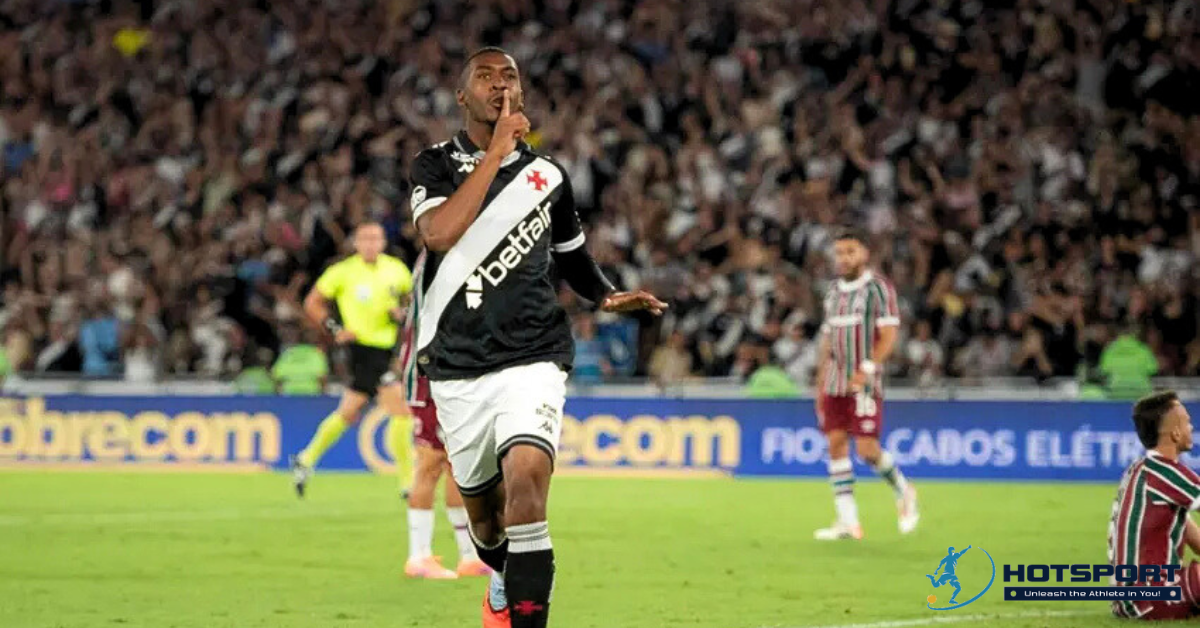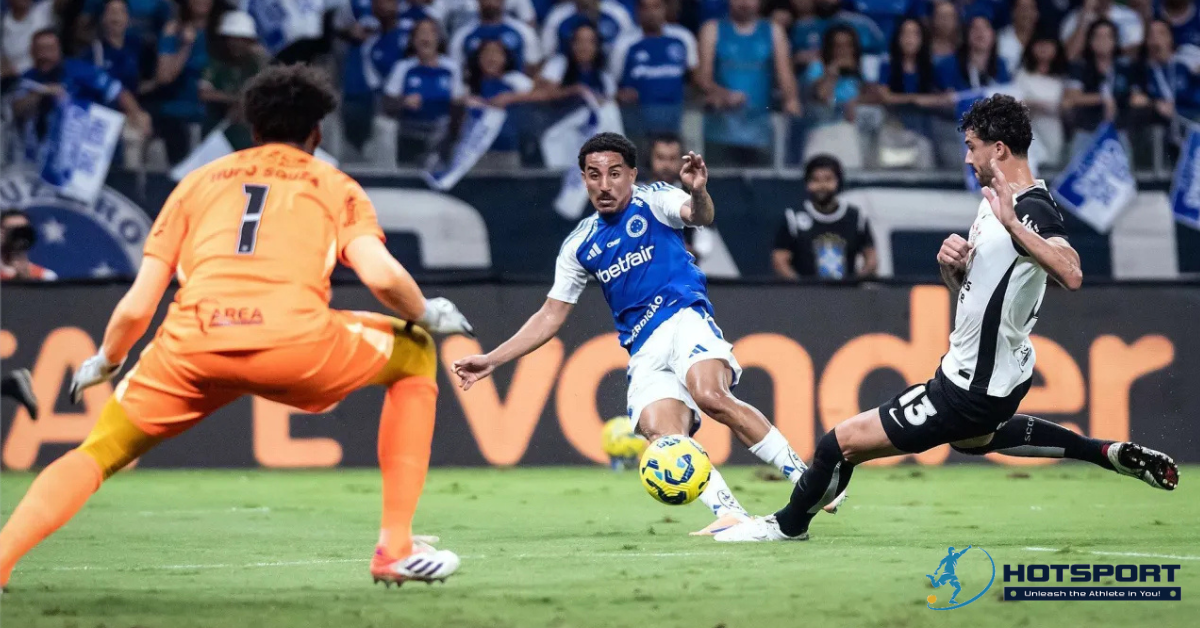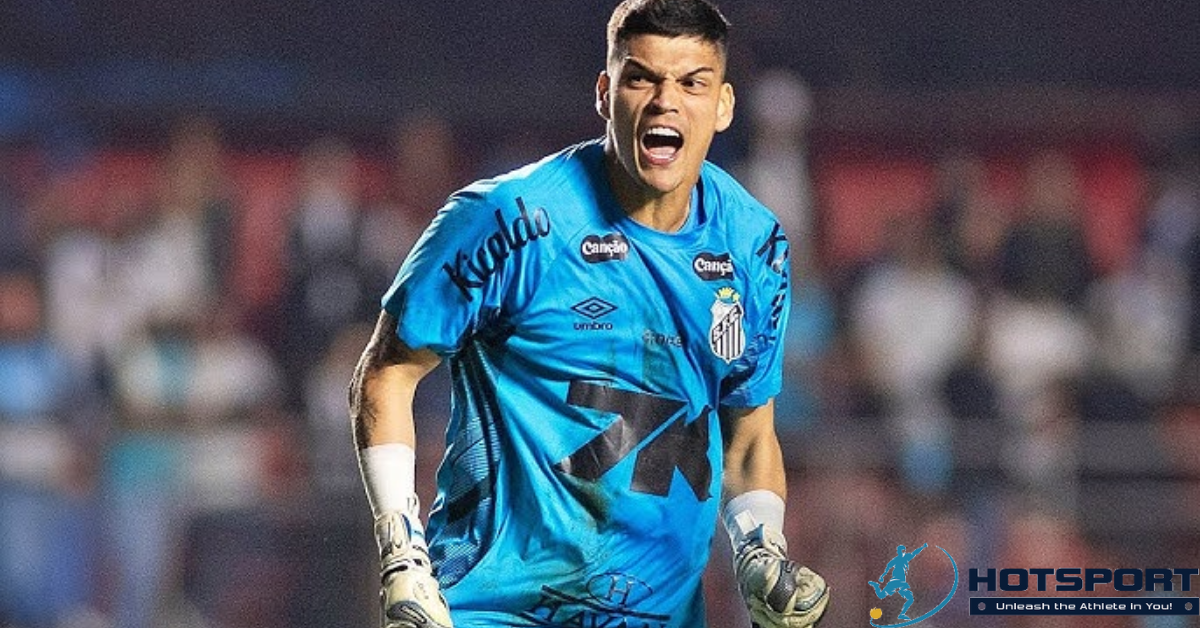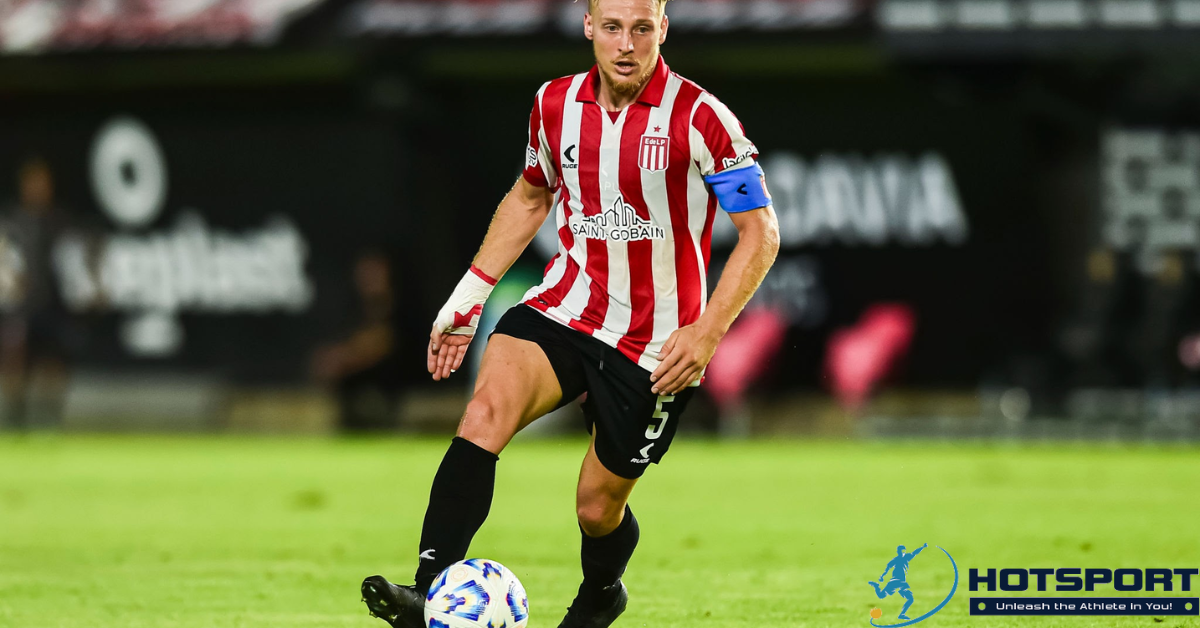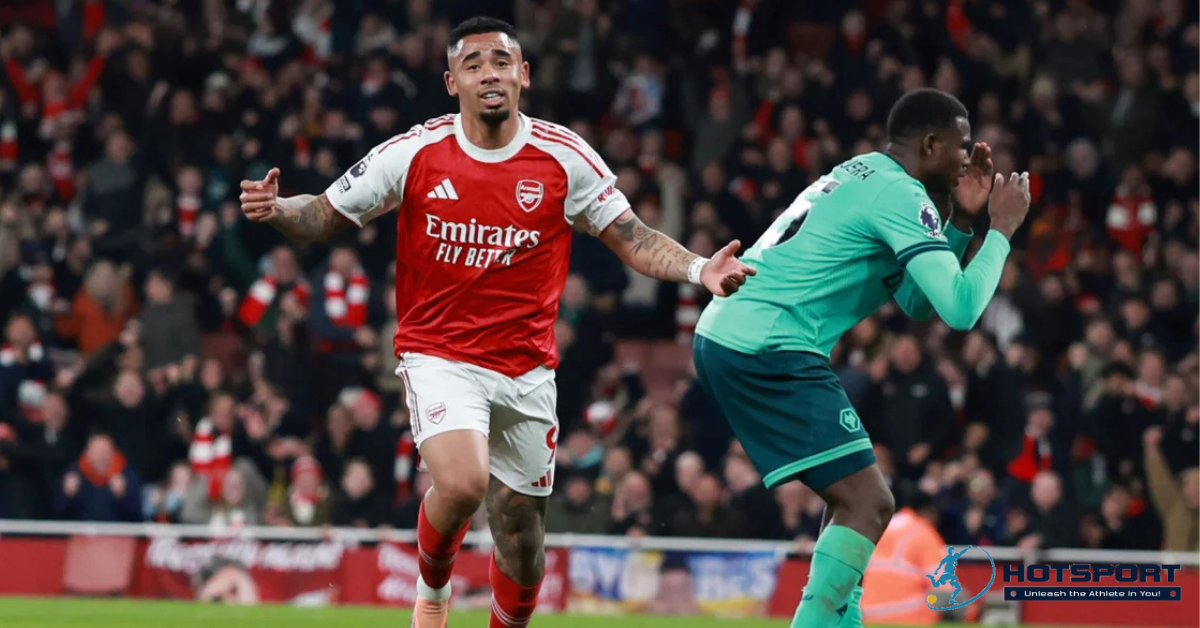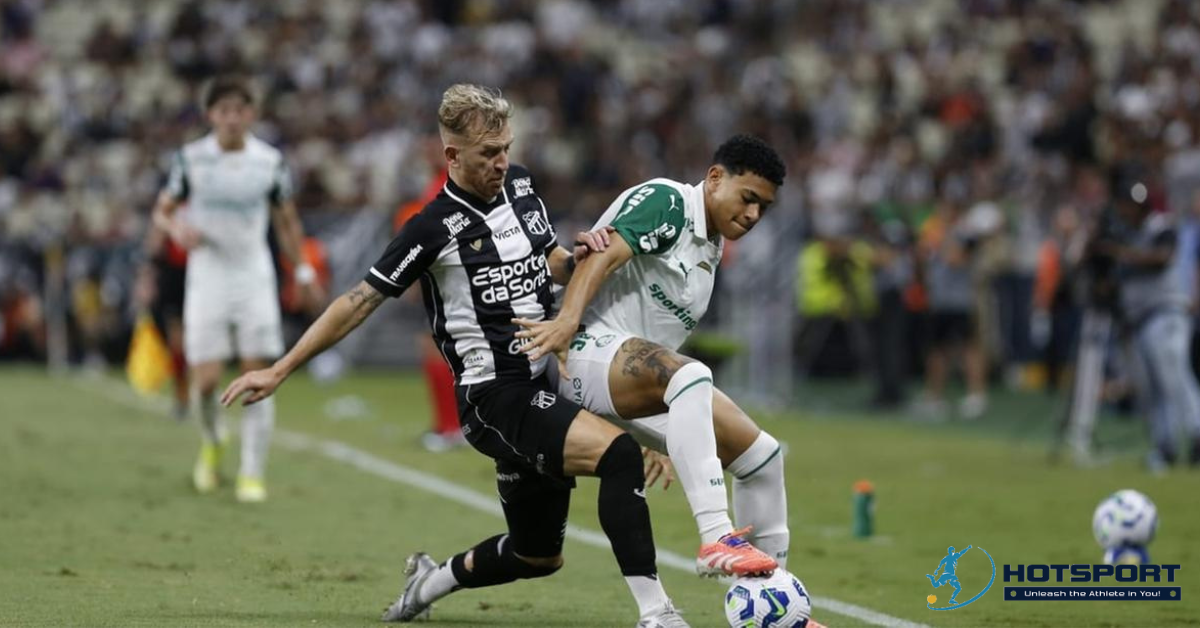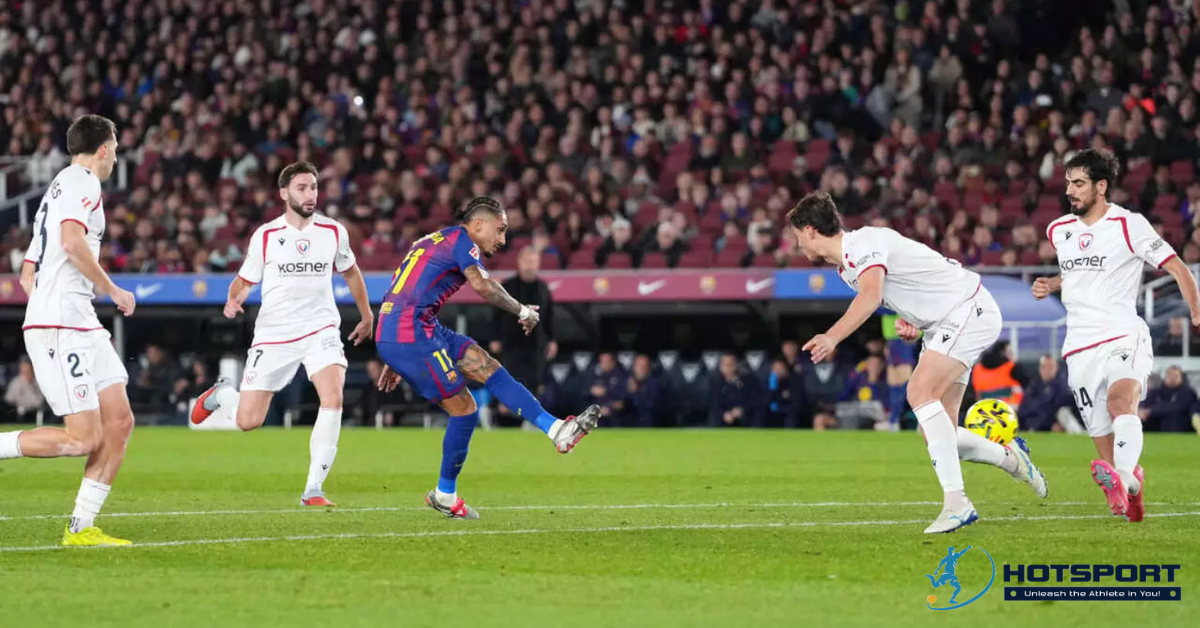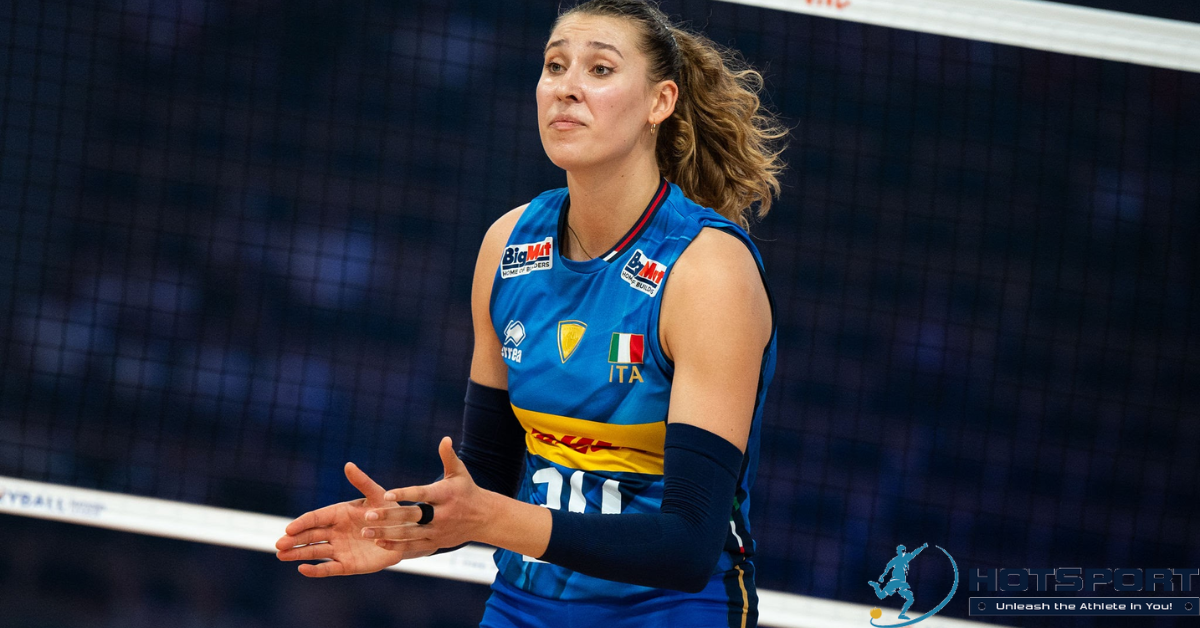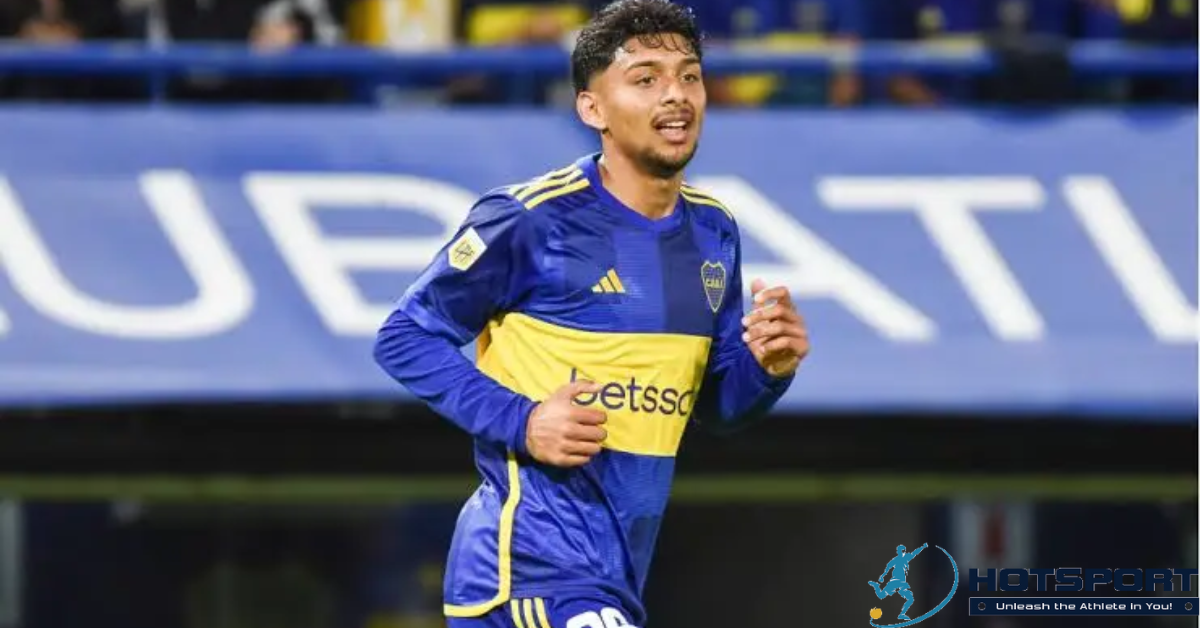
Lautaro Díaz arrived in Brazilian football as a promising talent seeking new challenges, and in just a few months he has already become a key piece in the Santos squad. Born in Buenos Aires, the 27-year-old Argentine brings with him a résumé of South American titles and the typical grit of players forged in Argentina’s youth academies. On loan from Cruzeiro until July 2026, Díaz has shown versatility in attack, scoring decisive goals and helping the Peixe through a season full of ups and downs. With the Brasileirão reaching its climax and the fight against relegation still on, his adaptation to the intense rhythm of Brazilian football has been one of Santos’ bright spots. In this article, we dive into the journey of this center-forward who is steadily carving out his place on the national stage.

Early Steps in Buenos Aires

Lautaro Ariel Díaz was born on May 21, 1998, in the heart of Buenos Aires—a city that breathes football on every corner. Son of Roberto Osvaldo Díaz, a former player who represented Argentina at the 1979 Copa América, Lautaro grew up surrounded by stories of impossible dribbles and wonder goals. From an early age, the boy showed a natural inclination for the sport: at age 10 he was already training in the youth ranks of Estudiantes de Buenos Aires, a modest third-division club with a strong tradition of producing tough, resilient talents.

His professional debut came on May 8, 2019, against All Boys in the Primera B Metropolitana. It was a 2-1 defeat, but the 20-year-old stepped onto the pitch with the determination of someone who knows rare opportunities cannot be wasted. That year he played just three matches, yet Estudiantes earned promotion to the Primera Nacional, Argentina’s second division. Lautaro was not a regular starter, but his speed and excellent positioning inside the box were already turning heads.

2021 proved a turning point. In January he scored his first professional goal, securing a 2-1 victory over Ferro Carril Oeste. Across three seasons with Estudiantes, he made 26 appearances and scored two goals—enough to attract interest from bigger clubs. To gain more experience, he was loaned to Villa Dálmine, another second-division side, for 2021 and 2022. There, the Argentine truly exploded: seven goals in 31 matches, showing clear improvement in finishing and game reading. His short, sharp dribbling and ability to escape markers in tight spaces became a talking point in Argentine dressing rooms. At 24, Lautaro Díaz was ready to fly higher—and his destination was Ecuador.

Breakthrough at Independiente del Valle

In June 2022, Independiente del Valle—the Ecuadorian club renowned for developing South American gems—signed Lautaro on a one-year loan. It was the defining moment of his career. The Quito-based side, already runners-up in the 2019 Copa Sudamericana, saw him as quality depth in attack. He did not disappoint. In the Ecuadorian league he went goalless in his first 11 appearances, but it was in the 2022 Copa Sudamericana that Díaz truly shone.

He scored five goals in the competition, including one in the final against São Paulo in Guayaquil. Independiente won 3-1, and Lautaro was named man of the match—a performance that launched him into regional stardom. His humble celebration, pointing to the sky in tribute to his father, went viral across social media. In November, the club triggered his buyout clause, and from January 2023 he was officially theirs.

2023 and 2024 were years of consolidation. In the domestic league he scored four goals in 23 games in 2023, plus three more in cup competitions. On the continental stage he remained lethal, adding six goals and helping the team win the Recopa Sudamericana and the Ecuadorian Supercopa. In total for Independiente del Valle: 63 matches, 19 goals—numbers that reflect a mature player capable of deciding knockout ties. His physical resemblance to England’s Jack Grealish earned him affectionate nicknames in the Ecuadorian press, but it was his football that did the talking: a versatile forward comfortable as a center-forward or out wide, always with vision for the killer pass.

The Brazilian Adventure: From Cruzeiro to Santos

The leap to Brazil came in July 2024 when newly promoted Cruzeiro invested in Díaz on a four-year contract. The Raposa saw him as the ideal creative spark for their attack, blending Argentine heritage with Brazilian flair. His debut was promising: one goal and several assists in 18 Brasileirão appearances during 2024, contributing to hard-fought wins. However, muscle injuries and competition from players like Arthur Gomes kept him on the bench for much of the year.

2025 was more complicated. With only six appearances and no goals in the Campeonato Mineiro and early league games, Díaz lost his place in Paulo Autuori’s plans. The solution arrived in September: a loan to Santos, another giant rebuilding itself, until July 2026. The Peixe, battling to stay in Série A, needed attacking depth, and the Argentine donned the number 19 shirt carrying the weight of the Vila Belmiro on his shoulders.

His Santos debut came on September 14 against Atlético-MG, ending in a 1-1 away draw. Since then, Díaz has integrated quickly. In 21 Brasileirão appearances up to December 2025, he has scored three goals and provided two assists in 1,109 minutes played. His goals came at crucial moments: one against Flamengo in a thrilling 3-2 win at Allianz Parque (where he ran 11 km and had three shots on target), and another in a 1-0 victory over Palmeiras, heading home the winner in the 34th minute.

Recent Highlights at Santos and in the Copa do Brasil

December 2025 has been intense for Lautaro. On December 3, away to Juventude at the Alfredo Jaconi, Santos won 3-0 in a must-win game for survival. Díaz was substituted in the second half by Zé Rafael, but his high pressing forced errors that led to goals from Neymar and Guilherme Augusto. It was his 12th start of the season, earning him an overall rating of 6.9.

The following day, December 4, he shone in the Copa do Brasil semifinal against Bahia. The VAR awarded Santos a penalty after a foul on Díaz inside the box; Neymar stepped up, converted, and completed his hat-trick to send the Peixe comfortably through to the final. Though he didn’t score, the Argentine was instrumental in the build-up: 18 touches, two successful dribbles, and one chance created. “Lautaro is a warrior, just like every Argentine,” praised coach Juan Pablo Vojvoda after the game, highlighting his commitment despite being one yellow card away from suspension—along with Neymar and others.

These matches show a Díaz on the rise: 3.32 xG from 21 shots, 33% shot accuracy. Compared to other Série A center-forwards, he excels in aerial duels (58% success rate) and defensive contribution (30% above league average), proving he is far more than just a finisher—he is a complete forward. Across the entire 2025 season (Cruzeiro + Santos): 27 appearances, four goals, three assists—modest numbers, but hugely impactful in such a balanced league.

Playing Style: Speed, Vision, and Grit

What makes Lautaro Díaz special is his adaptability. At 1.81 m and predominantly right-footed, he combines Argentine physicality with the agility of a winger. His short-space dribbling recalls his Villa Dálmine days, while his box positioning echoes his father Roberto. At Santos, Vojvoda often uses him as a “false 9,” dropping deep to create space for Neymar and Barreal. Critics note he still needs to improve consistency in front of goal—14% conversion rate in 2025—but his assist rate (one every 370 minutes) is widely praised.

Off the pitch, Díaz is low-key. Married with a young daughter, he shuns the spotlight, preferring extra training sessions and video analysis. His Instagram account, with over 150,000 followers, focuses on family and football—no flashy lifestyle. He takes the constant Grealish comparisons in good humor: “I play for the team, not for the pose,” he told Globoesporte in October.

The Future: Establishing Himself in Brazil?

With his Cruzeiro contract running until 2028, the Santos loan could be the springboard to a more stable career. If the Peixe avoid relegation—and the three points against Juventude were a big step—Díaz will have earned renewed trust. There are already whispers of interest from clubs like Fluminense, but his focus remains on the present: the Copa do Brasil final and the final rounds of the Brasileirão.

At 27, Lautaro Díaz is entering his prime and ready to explode. His journey from Buenos Aires to Vila Belmiro is proof of persistence. In Brazil, where football is a collective passion, he has found a home—and perhaps the stage for a lasting legacy. If he keeps this form, 2026 could be the year the name Díaz rings out once again, this time with a distinctly Brazilian flavor.

Trending Post

National Football

Introduction – Atlético-MG vs. Palmeiras

The Atlético-MG vs. Palmeiras duel in the final stretch of the 2025 Brasileirão was not just another encounter between two of the biggest forces in Brazilian football; it became a symbolic landmark of a turbulent, emotionally draining, and technically inconsistent year for Galo (Atlético-MG). The match, held at Arena MRV, carried high expectations, accumulated pressure, and the need for a response in front of a fanbase that was already showing impatience. However, instead of a rebirth, what was seen was a true reflection of the crisis: defensive errors, collective fragility, goals conceded due to avoidable mistakes, and, in the end, a harsh 3-0 score that laid bare the gap between the planning and the reality experienced by the Minas Gerais club.

Palmeiras, on the other hand, entered the field with ambition and clarity. Even playing away from home, they approached the game with tactical discipline, efficiency, and composure—characteristics of a team that knows how to compete at a high level. They capitalized on every opponent’s mistake, imposed their rhythm, controlled the emotional aspect of the match, and achieved a resounding victory that reaffirmed their strength this season.

This contrast between an anxious, pressured, and disorganized Atlético, and a competitive, pragmatic, and lethal Palmeiras, transformed the match into a study of mentality, preparation, and execution. The atmosphere at Arena MRV — which recorded the lowest attendance in its history — reflected the moment: protests, silence, banners of repudiation, and a general feeling of frustration.

Thus, the Atlético-MG vs. Palmeiras game became more than just a sporting event. It turned into a decisive chapter in the narrative of 2025: a chapter that exposes shortcomings, broadens debates about management, and demands profound answers for the future. This comprehensive analysis brings together numbers, context, performance, environment, repercussions, and the immediate and structural impacts of this defeat.

Get ready to explore every detail, understand how the game unfolded, why the result was so symbolic, and what this night represents for Atlético Mineiro, Palmeiras, and Brazilian football.

Pre-game – Context, pressure and what was at stake: Atlético-MG vs. Palmeiras

Atlético-MG’s situation

Atlético arrived under pressure. After a season marked by highs and lows — with the loss in the Copa Sudamericana final and clear fluctuations in the Brasileirão — the club was experiencing more insecurity than hope. The chance of qualifying for the Libertadores was already distant and, in the final stretch, any slip-up could cost the confidence of fans and players.

For the match against Palmeiras, there was more than just the pursuit of three points: there was a need to show reaction, dignity, and respect for the fans. But the defensive instability and the fragility of the build-up play created real apprehension.

Palmeiras’ situation

For Palmeiras, the game represented firmness, ambition, and the possibility of consolidating their campaign. With 73 points in the standings, the São Paulo club aimed to maintain consistency, move closer to second place, or at least close the season with authority.

The strategy was clear: capitalize on opponents’ mistakes — especially errors in ball distribution — and exploit the attacking third with speed. With a well-structured squad, the mission seemed simple: press, be effective, and decide the game before the opposing defense woke up.

The pressure on the fans and the risks off the field.

Beyond the technical issues, there was tension off the field. The expectation of a reaction from Atlético generated pressure, and the possibility of disappointment could intensify protests. The fans were demanding, and any negative result could trigger outrage. The anticipation created an atmosphere of a “premature final”—with nerves running high.

The game – Dynamics, goals, mistakes and outcome: Atlético-MG vs. Palmeiras

First half – Defensive errors and an early lead for Palmeiras.

From the opening minutes, Palmeiras demonstrated aggression. In the 9th minute, following a serious error in Atlético’s build-up play, the Palmeiras attack recovered the ball, pressed forward, and the striker took advantage to open the scoring — 1-0. The disorganization of the Minas Gerais team’s defense was evident in the marking, coverage, and communication errors.

With the lead, Palmeiras maintained the pressure. At 20 minutes, another mistake by Atlético Mineiro’s defense resulted in a second goal. The defense seemed disoriented, without reaction, and Palmeiras exploited the spaces left open effectively.

Atlético tried to react, attempting to build plays and press for the ball—even hitting the post on a few occasions—but lacked precision, objectivity, and efficient offensive coordination. The first half ended with Palmeiras in a comfortable lead and Atlético already at a clear psychological disadvantage.

Second half – Attempt at a comeback, but Palmeiras’ conviction sealed the victory with a resounding win.

In the second half, Atlético tried to reorganize, adjust their positioning, make substitutions, and try to reduce the deficit. The team began to press, speed up their attacks, look for openings and crosses—hoping to score.

However, the defense remained insecure, the marking failed during transitions, and the build-up play was erratic. Palmeiras, in turn, maintained discipline and organization, and capitalized on these mistakes to maintain control.

In the 81st minute, Palmeiras sealed the score: 3-0, with a goal that crowned their superiority, efficiency, and the certainty that Atlético had no way to react that night.

When the final whistle blew, the score reflected not only the goals, but the fragility of a club in crisis — both on and off the field.

Game statistics – Numbers that explain the Atlético-MG vs. Palmeiras thrashing.

StatisticAtlético-MGPalmeiras
Final score03
GoalsFlaco López (9′), Allan (20′), Luighi (81′)
Ball possession~64.8%~35.2%
Total shots3312
Shots on target95
Corner kicks106
Goalkeeper saves29

Despite dominating possession and attacking play, Atlético was unable to convert chances into goals—and committed serious defensive errors. Palmeiras, with less prominence, was effective with the opportunities it had, proving that collective dedication and pragmatism count for more than statistical dominance.

Atmosphere, fans, and off-field reaction

The end of the match was marked by protests. Atlético-MG fans, visibly frustrated with the team’s performance, delivered one of the worst attendances in the history of Arena MRV: only 13,878 fans — a record low.

The stands remained silent for part of the match, with banners turned upside down, boos directed at the players, and gestures of discontent towards the management. Many fans considered the season a “complete disgrace.”

The climate of revolt sums up a year of insecurities, frustrated expectations, and unstable performance—both on and off the field. For many, the 3-0 defeat was not a simple loss: it symbolized a cycle that urgently needs to be reevaluated.

Impact of the defeat – The end of the Libertadores dream and tension for 2026

With the defeat and the combination of results from this round, Atlético-MG lost any chance of reaching the “G-8” to try for a spot in the Libertadores Cup. Their ambition for international prominence, which had already been weakening, was definitively ended.

Now, the club is only focused on the 2026 Copa Sudamericana — a significant drop from pre-season objectives. The pressure for restructuring, profound corrections, and a serious approach for 2026 is once again a central theme among the board, coaching staff, and fans.

For Palmeiras, the victory helps maintain stability at the top of the table, restores morale, and reinforces confidence to end the season with authority.

In-depth analysis – What went wrong for Atlético-MG and why Palmeiras was lethal: Atlético-MG vs. Palmeiras

Atlético-MG’s mistakes

  • Disorganized ball distribution and marking errors in defense directly resulted in the first two goals.
  • Excessive reliance on possession and crosses from the flanks, lacking variation in play and penetration into the penalty area.
  • Lack of offensive aggression despite possession — there were many shots, but few dangerous ones.
  • Lack of spirit and collective reaction — even with the opponent’s numerical disadvantage (Piquerez’s expulsion from Palmeiras), Atlético Mineiro failed to capitalize and apply pressure.

Palmeiras’ successes and lessons in efficiency.

  • Capitalizing on opponents’ mistakes: scored early and accurately, controlled the pace, and exploited counter-attacks.
  • A solid and compact defense, even away from home — it reduced space and neutralized any chances of a comeback.
  • Using experience and pragmatism to transform tactical mastery into concrete results.
  • Clarity of objective: simple, efficient, effective game — without arrogance, focused on results.

Conclusion – Atlético-MG vs. Palmeiras: crisis exposed, lessons for the future, and the weight of a historic 3-0 defeat.

Palmeiras’ 3-0 thrashing of Atlético-MG goes far beyond the pitch and will likely be remembered as a turning point in Atlético’s season. The match clearly exposed the structural problems that plagued Galo throughout the year: a vulnerable defensive system, emotional instability, lack of collective coordination, technical inconsistencies, and a model that couldn’t hold up under increasing pressure. The game showed that volume of play and ball possession are not enough when there is no organization, decision-making, and effectiveness in finishing.

Palmeiras, in turn, reinforced its competitive identity. It demonstrated maturity, discipline, game reading, and composure in exploiting the opponent’s weaknesses. This match reinforces why the São Paulo club is always among the most consistent in Brazilian football: it doesn’t depend solely on individual brilliance, but on a solid, well-trained structure capable of asserting itself in different contexts.

For Atlético, the result marks the definitive end of their Libertadores dream and highlights the need for a profound reconstruction—starting with the board, extending to the coaching staff, and reaching the squad. It’s not just about swapping players, but about redefining priorities, reconnecting with the fans, and recovering competitive values ​​that, at many points, seemed forgotten throughout the season.

The night at Arena MRV, with protests, banners turned upside down, and the lowest attendance in the stadium’s history, sends a clear message: the fans want a competitive, committed team worthy of its greatness. The 3-0 defeat symbolizes not just a bad game, but represents a warning for 2026 — a year that needs to be approached with planning, seriousness, and renewal.

For the fans, all that remains is the hope that this setback will be the starting point for transforming what has been a season of frustrations into real learning. And for those who follow Brazilian football, this match proves once again that the Brasileirão is unforgiving to those who make mistakes — and extremely rewarding to those who prepare to win.

FAQs – Frequently Asked Questions about Atlético-MG vs. Palmeiras 2025

  • What was the final score of the match?
    Atlético-MG 0 x 3 Palmeiras.
  • Who scored the goals for Palmeiras?
    Flaco López (9′), Allan (20′) and Luighi (81′).
  • How many people were present at Arena MRV?
    13,878 — the smallest crowd in the Arena’s history.
  • Why was Atlético booed even with an extra player?
    Even with an opponent being sent off, the team didn’t capitalize, failed defensively, and showed no collective reaction.
  • Does this result eliminate Atlético from the fight for a spot in the Libertadores Cup?
    Yes. After the defeat, Galo loses any chance of reaching the “G-8” of Série A.
  • What changes for Palmeiras with this victory?
    It consolidates their good campaign, boosts morale, and reaffirms their offensive and defensive solidity for the final rounds of the season.
  • What were Atlético’s main mistakes?
    Weak ball distribution, disorganized marking, lack of efficient finishing, and emotional instability.
  • What did Palmeiras do right to win?
    They capitalized on opponents’ mistakes, maintained defensive discipline, were efficient offensively, and used a pragmatic strategy.

Introduction – Grêmio vs. Fluminense

The Grêmio vs. Fluminense match, played at the Arena do Grêmio in Porto Alegre, marked one of the tensest and most symbolic games of the final stretch of the 2025 Brasileirão. With a 2-1 victory, built with two goals from Soteldo, Fluminense took an important step in the fight for a spot in the next Libertadores, while Grêmio saw its hopes of reaching the G-8 become even more complicated. More than the score, the game delivered drama, pressure, and decisions that directly influenced the fate of both clubs in the championship.

The atmosphere in Porto Alegre was one of utter urgency. Grêmio fans knew that any point lost would increase the risk of missing out on international competitions in 2026. Fluminense, on the other hand, saw the match as the perfect opportunity to consolidate an important surge in the standings, leaving behind weeks of inconsistency and instability. The final stretch of the Brasileirão transforms each game into a broader chapter of survival and ambition, and the Grêmio vs. Fluminense clash carried exactly that weight.

On the field, what was seen was a game of emotional intensity and decisions that shaped the course of the match. Fluminense, even without territorial dominance, surgically capitalized on the opportunities it created. Soteldo was the protagonist of the night, bringing speed, imbalance, and precise finishing. Grêmio, although producing more in overall volume, erred in the final pass and failed to transform statistical superiority into a lead on the scoreboard. The match was also marked by the VAR review of the first Grêmio goal, which completely changed the dynamics of the duel.

This article delves into every layer of the Grêmio vs. Fluminense match. From the pre-game atmosphere and expectations on both sides, through tactical choices, half-time details, the impact of VAR, complete game statistics, and, of course, what this result means for the season for both Grêmio and Fluminense.

Pre-game – Expectations, Pressure and the Scenario for Grêmio vs. Fluminense

Grêmio’s expectations

Grêmio entered the field under pressure. The team was experiencing an inconsistent run of form and needed a victory to stay alive in the race for the top eight. Playing at home increased both confidence and emotional pressure. Grêmio fans usually carry much of the team’s energy, and the Arena was packed with fans hoping for a solid performance capable of reigniting their campaign towards the top.

The team knew they would face a fast opponent with strong transitions and players capable of making individual plays. The initial plan was to control possession, impose their rhythm, and work the flanks to generate crosses that could exploit aerial balls, one of the strengths of the team from Rio Grande do Sul. There was also concern about the speed behind the full-backs, since Fluminense usually accelerates immediately after recovering the ball.

Emotionally, the atmosphere was one of urgency. The tight schedule, the approaching end of the competition, and the pressure from the fans created a scenario of a decisive match. Losing points meant giving up on an objective that had been set since the beginning of the season. Grêmio went into the game knowing they couldn’t afford to make a mistake.

Fluminense’s expectations

On the Rio de Janeiro side, the atmosphere was different, but equally tense. Fluminense was seeking an away win to consolidate its position at the top of the table. The team had been inconsistent, and the game against Grêmio was seen as a turning point. A defeat could definitively compromise their Libertadores plans, while a victory would give them a boost in the standings.

Internally, the team was brimming with confidence. Soteldo and Lucho Acosta were in good form and could be the difference-makers in a match that promised to be physical and intense. The strategy was clear: play intelligently, exploit counter-attacks, reduce defensive risks, and accelerate when gaps appeared between Grêmio’s lines.

Mental preparation was also taken seriously. Playing at Grêmio’s Arena is always challenging, both because of the atmosphere and the pressure from the opponent. Fluminense entered the game focused on maintaining calm, controlling the emotional pace, and preventing the game from becoming chaotic. The strategy was to take advantage of Grêmio’s nervousness, especially if the score started to favor the home team.

Lineups and Tactics in the Grêmio vs. Fluminense Match

Grêmio opted for their usual 4-3-3 formation, with a strong presence on the flanks and a structured build-up play. The team sought to occupy the attacking half for most of the time, pushing Fluminense back and activating their wingers in wide plays. The midfield played a key role in controlling the tempo, attempting to accelerate alternately between short transitions and long balls.

Fluminense presented a flexible system, alternating between 4-2-3-1 and 4-4-2, depending on the phase of the game. With Soteldo wide on the left and Acosta floating between the lines, the team exploited speed and creativity. Defensively, the team compacted the midfield well, making it difficult for Grêmio to penetrate through the center and forcing them to circulate more on the flanks.

Tactically, the duel was marked by contrast: Grêmio tried to impose a high frequency of attacks, while Fluminense relied on precision and efficiency. Each team followed its plan to the letter, but the difference appeared in the finishing. Fluminense did a lot with little. Grêmio did little with a lot.

First Half – Grêmio vs. Fluminense: pace, chances, and controversy

The first half was intense from the start. Grêmio tried to speed up the game with high pressure, seeking to force errors from the Fluminense defense. Fluminense responded calmly, trying to control possession when they had space and involving Soteldo whenever they recovered the ball.

Despite Grêmio having more possession, it was Fluminense who opened the scoring. After a play built up on the left, Soteldo finished into the goal. The play generated immediate controversy and prompted a lengthy VAR review. On the field, the referee disallowed the goal, but the review showed a legal position, validating the goal and changing the entire course of the match.

After the goal, the tension increased. The Grêmio fans began to put more pressure on the opponent, and the team responded with offensive intensity. Shots from medium range, constant crosses, and presence in the penalty area began to shape the rhythm of the game. Even so, Fluminense appeared more emotionally balanced, working the ball with confidence and exploiting every space left by the opponent.

The halftime whistle blew with the Rio team in the lead and a feeling of frustration on the Grêmio side. They had the pressure, but the goal just wouldn’t come.

Second Half – Fluminense’s offensive impact and Grêmio’s reaction

The second half began with Grêmio being even more aggressive. The lines pushed forward, the midfielders started getting into the box more often, and the team sought to minimize risks, playing much of the time in the attacking half.

But Fluminense were lethal once again. In the 6th minute, Soteldo appeared to score his second goal after a quick play down the left flank. The striker showed composure and precision, extending the lead and putting Grêmio in an even more precarious situation. The stadium fell silent for a few seconds before intensifying the pressure on the team from Rio Grande do Sul.

Even shaken, Grêmio reacted quickly. In the 9th minute, André Henrique scored, taking advantage of a loose ball in the area. The goal reignited the game and brought new energy to the Arena. The team from Rio Grande do Sul began to constantly threaten Fluminense’s area, creating chances and sending crosses into the box. Fluminense, in turn, retreated more than ideal and experienced moments of instability.

The end of the game was tense. Grêmio pressed, Fluminense tried to hold on, and each defensive tackle seemed to define the drama of the final stretch. Despite the pressure, Flu remained firm and held onto the result, leaving Porto Alegre with a vital victory for their aspirations in the Brasileirão.

Complete statistics – Grêmio vs. Fluminense

StatisticGrêmioFluminense
Goals12
Finishing touches166
Shots on target64
Ball possession55%45%
Corner kicks100
Passing accuracy83%78%
Accurate passes410320
Absences1412
Cards23
xG (Expected Goals)1.91.2

The numbers clearly show what the game revealed: Grêmio had more possession, but Fluminense was more efficient. The difference lay in the final touch and the ability to convert opportunities into goals.

Impact of Grêmio vs. Fluminense on the standings and the future.

For Fluminense

The victory gave Fluminense a solid advantage in the fight for a Libertadores spot. Beyond the three points, the team gained confidence, reaffirmed its offensive strength, and saw Soteldo finally establish himself as a key player. This is a moment of affirmation. The team arrives at the final stretch with high morale, a clear identity, and players on the rise.

For Grêmio

The defeat came as a cold shower. The team showed commitment, volume, and intensity, but displayed serious problems in decision-making and offensive efficiency. The result complicates the path to the top eight and leaves the club dependent on external factors. The next games will be about survival.

For the Brazilian Championship

The final stretch becomes even more exciting. Fluminense’s triumph redistributes power at the top of the table, while Grêmio’s defeat shakes things up in the middle of the pack. The Grêmio vs. Fluminense duel changes dynamics and creates new scenarios for the final round.

Individual Analysis – Who decided Grêmio vs. Fluminense?

The Grêmio vs. Fluminense match offered a rich scenario for individual analysis. Some players delivered performances that directly influenced the outcome. Soteldo was the absolute standout, not only for his goals but also for the offensive rhythm he imposed. His ability to draw defenders, switch direction, and accelerate in tight spaces allowed Fluminense to breathe under pressure and build plays that broke through Grêmio’s defensive block.

Lucho Acosta deserves special attention. Even without scoring, he was crucial in distributing passes and reading the game tactically. On several occasions, he dropped between the midfielders to offer clean passes, adjusting the timing of transitions, especially in the play that resulted in Soteldo’s second goal. His vision and movement between the lines disrupted Grêmio and allowed Fluminense to remain competitive even with limited possession.

On the Grêmio side, Cristaldo had a combative performance, trying to organize the team in the penalty area and taking responsibility in the build-up play. André Henrique also had an above-average game, being rewarded with the goal that kept the team alive. He won aerial duels, pressed high up the pitch, and was the most efficient point of support during the second half. Even so, the team faltered in the final decisions.

How did VAR influence the Grêmio vs. Fluminense match?

One of the most tense moments in the game occurred during Fluminense’s first goal. Initially, the referee disallowed the goal for offside, but VAR meticulously reviewed the line, validating the goal and changing the course of the match.

The impact was both psychological and tactical. Grêmio, which until then had controlled the emotional atmosphere, was visibly shaken, spending several minutes defensively disconnected. Fluminense took advantage and balanced the game more at that moment.

On the other hand, the VAR analysis gave Fluminense confidence, reinforcing the feeling that the counter-attack plan could work — and it did, with Soteldo extending the lead early in the second half. The Grêmio fans reacted with intense pressure after the play, increasing the team’s nervousness and intensifying the need to accelerate without building up calmly.

The incident was more than just a technical detail: it psychologically reorganized the teams and influenced the dynamics of the match.

Areas for improvement and lessons learned from the game.

What Grêmio needs to fix

The Grêmio team made it clear that they possess offensive power and a high volume of play, but they face serious problems with decision-making and efficiency. Their crosses, although frequent, were not enough to create a real threat. Furthermore:

  • Better coordination is needed between defensive midfielders and attacking midfielders to create central runs into the box.
  • There’s a lack of better game reading in the moments after regaining possession.
  • The team loses defensive intensity when it concedes a goal — something we saw again.

Another critical point is finishing. Grêmio creates a lot of chances, but converts them poorly. In an increasingly competitive Brasileirão, this directly impacts their chances in the standings.

What areas can Fluminense improve?

Despite the victory, Fluminense showed defensive weaknesses when pressed high up the pitch. The last 20 minutes of the game revealed difficulties in building attacks, losing aerial duels, and a lack of compactness between the defensive midfielders and the center-backs.

But the positive points were clear:

  • Efficiency in attack
  • Emotional maturity
  • Fast, well-executed transitions
  • Ability to kill the game at the right moments.

If they adjust their defensive lines and reduce their dependence on Soteldo, Fluminense has everything it needs to secure a spot in the Libertadores Cup.

Scenario for the next rounds

With this result, Grêmio enters the final rounds needing a combination of results and consecutive victories. There is no margin for error anymore. The team needs to show resilience, improve its finishing, and control its anxiety, especially playing under pressure from the fans.

Fluminense, on the other hand, depends only on itself. A victory at home or even a well-managed draw can guarantee its objective. The team is experiencing a good emotional moment and, if Soteldo maintains his level, Flu will arrive strong in the international competitions of 2026.

Conclusion – Grêmio vs. Fluminense: efficiency, drama, and a direct consequence on the standings.

The Grêmio vs. Fluminense duel wasn’t just another match in the final stretch of the 2025 Brazilian Championship. It symbolized two distinct paths: efficiency and frustration. Fluminense showed competitive maturity, decisiveness, and an attack that, when needed, resolves the game in a few moves. Soteldo had a protagonist’s night, reaffirming his impact and justifying the weight of his name within the tricolor squad.

Grêmio, on the other hand, exposed a recurring problem this season: volume without purpose. The team creates chances, involves the opponent, hammers them away, but fails to convert them. In a championship with high emotional and technical demands, this takes a heavy toll—and the standings reflect this. The fans felt it, the squad felt it, and the team’s future depends on urgent adjustments.

More than the score, the match teaches us about mentality. Fluminense was emotionally stronger in the decisive moments, and that difference changes destinies in long tournaments. Grêmio showed commitment, but lacked composure. In big games, that determines who advances and who falls by the wayside.

The final stretch promises to be dramatic for both teams, and the impact of this Grêmio vs. Fluminense match will still be felt until the last round.

FAQs – Frequently Asked Questions about Grêmio vs. Fluminense

  1. What was the score of Grêmio vs. Fluminense?
    2-1 for Fluminense.
  2. Who scored the goals in the match?
    Soteldo scored both for Fluminense, André Henrique scored for Grêmio.
  3. Was there VAR intervention?
    Yes. Fluminense’s first goal was validated after VAR review.
  4. Did Fluminense dominate the game?
    Not in terms of volume, but they were more efficient and made better use of their chances.
  5. What does this result mean for Grêmio?
    It drastically reduces their chances of reaching the top eight.
  6. What changes for Fluminense?
    The team is strengthened in the fight for a spot in the Libertadores Cup.
  7. Did Grêmio have more possession and shots
    on goal? Yes, but they lacked finishing.
  8. Why was Soteldo the standout player?
    Besides his two goals, he made a difference with his speed and dribbling.
  9. Did Fluminense suffer pressure in the second half?
    Yes. Grêmio piled on the crosses and increased the pace.
  10. What’s the next step for the clubs?
    Grêmio is trying to recover points, and Fluminense aims to consolidate its place at the top.

Introduction – Vasco vs. Mirassol

The match between Vasco and Mirassol, played on December 2, 2025, for the 37th round of the Brasileirão Série A, went down in history as the final stretch of the season. For Vasco da Gama, it was an opportunity to breathe a sigh of relief, recover morale in front of their own fans, and ensure a peaceful end to the year. For Mirassol, it was a chance to crown a remarkable campaign with the coveted direct qualification for the 2026 Libertadores Cup.

Expectations were high. Many anticipated an open game, with intensity from both sides—Vasco trying to regain confidence, Mirassol focused on avoiding setbacks. But, at the same time, there were also concerns: Vasco’s inconsistent offense in recent games and Mirassol’s already demonstrated defensive consistency made the match unpredictable.

The atmosphere in the stadium reflected this duality: hope and tension on the Rio side; confidence and planning on the São Paulo side. The rivalry wasn’t just in the names, but in the circumstances: 90 minutes could change destinies.

In the end, the score confirmed what football often shows when efficiency speaks louder than volume: Mirassol knew how to take advantage of its opportunities; Vasco, despite trying, failed at the decisive moment. The defeat reignites the drama of relegation and gives the club from the interior the chance to shine continentally.

Pre-game analysis – Context, club status, and the significance of the Vasco x Mirassol match.

Vasco da Gama’s situation

Vasco arrived with 45 points and the urgent need to translate their volume and dominance into concrete results. The fans expected a reaction, and the club sought to end the year with dignity. Their recent home record was unstable, and the pressure for offensive efficiency was high. Any defensive error or missed opportunity could be costly.

The team’s preparation took into account offensive mobilization — ball possession, active full-backs, and constant circulation. The coach emphasized the need for precise finishing and defensive awareness, especially on aerial balls or transitions, areas in which Mirassol usually performs well.

Furthermore, there was psychological pressure: the fans, who had been quite critical recently, expected composure, decisive plays, and results. Vasco could no longer afford to make mistakes.

Mirassol’s situation

For Mirassol, the game had a historic flavor. With 66 points in a solid campaign, the São Paulo club arrived with tranquility, balance, and the conviction that it could secure a direct spot in the 2026 Libertadores Cup. The away strategy was simple: defend with organization, exploit counter-attacks, and take advantage of the few chances that arose.

The team arrived confident, with a good defensive run and quick transitions. Their tactical maturity was already proving to be a key advantage. The opponent was applying pressure, but the team showed cohesion, focus, and execution. The mission was clear: to dominate in the opponent’s half without leaving room for error.

For Mirassol fans, that was the game of consecration. A victory would guarantee not only a continental spot, but national respect. Internal and external motivations aligned — working with patience, discipline, and ambition.

The game – Pace, decisive plays and outcome: Vasco x Mirassol

First half – Vasco controls the game, but doesn’t create any real threat.

From the start, Vasco sought to impose their rhythm. Possession was slightly higher (51.3% vs 48.7%). The ball circulated, the team exchanged passes and attempted infiltrations down the wings, looking for spaces in the opposing defense. But, gradually, it became evident that territorial dominance did not seem to translate into real danger.

Mirassol, in turn, maintained compactness, reviewed coverage, and prioritized transitions. The marking was organized, the defensive line was attentive, and the visitors showed patience, waiting for the right moment. The tactic set the pace: Vasco dominated possession; Mirassol held the defensive reins.

Throughout the first half, the main scoring chances came from shots outside the box and crosses from the side. The visiting goalkeeper was rarely tested, confirming that Vasco’s problem was not only offensive inefficiency, but also a lack of real aggression inside the penalty area. The half ended goalless, with a clear feeling that the draw didn’t represent justice for the team that had been dominating, but also that the game was still far from having a winner.

Second half – The punishment for away efficiency

After the break, Vasco maintained their offensive posture. They pressed, looked for crosses, and corner kicks—they had 10 corner kicks in their favor, compared to only 1 for Mirassol. The fans believed that a goal would come. The expectation was for a natural comeback.

But football showed its unforgiving side. In the 70th minute, in a quick transition, Mirassol opened the scoring. Perfect execution: they hit the back of the net. Frustration set in. Vasco tried to react—with changes of pace and increased pressure. But the chances didn’t materialize clearly. The finishing missed the target; the opposing defense quickly reorganized.

Late in the game, at 90+2, the second goal sealed the score. The visitors finished calmly, composedly, and purposefully. Vasco 0 x 2 Mirassol. The São Januário stadium fell silent. The difference between what is attempted and what is achieved was laid bare.

Complete statistics – Volume, possession, efficiency and lethality Vasco x Mirassol

StatisticVasco da GamaMirassol
Final score02
GoalsRenato Marques (70′), Carlos Eduardo (90+2′)
Ball possession51.3%48.7%
Total shots148
Shots on target54
Corner kicks101
Goalkeeper saves25
Shots inside the penalty area63
Shots outside the penalty area65
Passing accuracy~84%~83%
Yellow cards23

These statistics clearly paint a picture of the game: Vasco dominated possession, pressed, and attacked—but couldn’t be lethal. Mirassol, with less possession, was more clinical: when they had the chance, they converted. In football, efficiency often triumphs over statistical dominance.

Impact of defeat — Immediate consequences and reflections

For Vasco da Gama

The defeat is a heavy blow. Instability returns in full force. Even with 45 points, Vasco remains vulnerable. The lack of offensive efficiency—especially when dominating and pressing—becomes a worrying pattern. The fans’ confidence wavers. The pressure for urgent answers increases.

More than just points, Vasco is losing momentum. Home advantage, often seen as a key factor, is proving fragile. The team will need to react in the final rounds, and with consistency: there will be no room for error. The margin for error is drastically reduced.

For Mirassol

For Mirassol, the victory is a watershed moment. The campaign is becoming historic. The direct qualification for the 2026 Libertadores Cup is more than a dream—it’s the confirmation of a job well done. The team takes center stage, gains visibility, and deserves national respect.

Furthermore, the result reinforces a playing philosophy: collective play, efficiency, patience, and pragmatism. It wasn’t about dominating the game, but rather knowing how to take advantage of ideal moments. And Mirassol did that with excellence.

Post-game reaction and statements

The Vasco coach admitted frustration, but acknowledged that the team “played a very good game.” According to him, the problem wasn’t the team’s approach or offensive strategy—it was the lack of decisiveness and marking errors that led to the goal conceded. He highlighted that Mirassol, in its few chances, was precise; while Vasco lacked finishing and defensive awareness. ge +1

On Mirassol’s side, the discourse was one of humility and focus. Collective effort, tactical discipline, and game reading were cited as decisive factors. The away victory, against a historical giant, reinforces the club’s credibility. The campaign is gaining momentum, and the team is establishing itself as a benchmark of efficiency in this Brazilian Championship.

Historical context and comparisons – What changes for the season?

  • The result ends Vasco’s run of home games, exposing weaknesses in crucial matches. In 2025, the team showed inconsistency at São Januário — something that is detrimental in moments of pressure.
  • For Mirassol, this represents the consolidation of a medium-term project: proving that a smaller club can compete for a continental spot with planning and dedication. A direct spot in the Libertadores represents a leap in confidence and visibility.
  • In the context of the 2025 Brazilian Championship, Vasco’s stumble reignites the relegation battle and increases the tension for the final rounds. Mirassol, in turn, confirms that Brazilian football still has room for well-structured and organized surprises.
  • The match reinforces an old lesson: possession and volume don’t guarantee victory. Effectiveness, pragmatism, and collective intelligence—regardless of tradition—can decide destinies.

Extra sections – What to watch for in the next rounds and final predictions

Risks and priorities for Vasco in the final rounds.

  • Adjusting offensive efficiency: converting volume into goals is essential. Forwards need to get back to finishing inside the box.
  • Defensive organization: the positioning error in the first goal was decisive. Cohesion is necessary, especially on aerial balls and during transitions.
  • Emotional control: the pressure from the fans and the anxiety about results can be detrimental in the final rounds.
  • Points away from home: Vasco needs to score points away from home to ensure safety — especially if home advantage ceases to be a deciding factor.

What should Mirassol aim for now that they’ve secured their spot?

  • Maintain humility and focus: the spot is guaranteed, but the club can further consolidate its rise with consistency.
  • Strengthening the squad: with the Libertadores Cup on the horizon, it will be important to reinforce the team (if necessary) to compete at a high level.
  • Long-term strategy: the triumph shows that planning and teamwork work. The club can gain national prominence and attract investment.
  • Take advantage of the visibility: the achievement exposes the club, opens doors to sponsors, investments, and institutional growth.

Conclusion – Vasco vs. Mirassol: lessons in efficiency, a warning for the future, and a new protagonist.

The Vasco vs. Mirassol match ended 0-2, but the score carries a greater significance than the numbers alone. Vasco dominated possession, exchanged passes, and pressed, but couldn’t capitalize. Mirassol, with patience, focus, and efficiency, seized their chances, capitalized on their opponents’ mistakes, and secured a victory with the weight of a crowning achievement.

For Vasco, the defeat represents more than just three lost points—it signifies instability, uncertainty, and the urgent need to react. The season, which seemed to be on track, is back on shaky ground. For Mirassol, it’s confirmation that it’s possible to compete for top spots with planning, teamwork, and strategy. The spot in the 2026 Libertadores Cup is living proof that smaller clubs also have a voice.

Football, in its essence, continues to show: impressive volume of play, but those who capitalize on their opportunities are the ones who decide the outcome. And today, Mirassol was lethal.

If you’ve been following the Brazilian Championship closely, the final stretch promises drama, twists and turns, and intense decisions. Stay with us and keep up to date with all the analysis, results, and developments.

FAQs – Frequently asked questions about Vasco x Mirassol

  1. What was the final score of the match?
    Vasco 0 x 2 Mirassol.
  2. Who scored the goals?
    Renato Marques at 70′ and Carlos Eduardo at 90’+2′.
  3. How was possession?
    Vasco dominated with 51.3% compared to Mirassol’s 48.7%.
  4. How many shots on goal were taken by each side?
    Vasco had 14 shots, with 5 on target; Mirassol had 8 shots, with 4 on target.
  5. What did Vasco lack to win?
    Offensive effectiveness, precision in finishing, and defensive focus at crucial moments — especially on the first goal conceded.
  6. With the victory, what did Mirassol achieve?
    A direct spot in the group stage of the 2026 Copa Libertadores and national exposure.
  7. Does the defeat put Vasco at risk of relegation?
    The instability is increasing, and the club needs to react in the final rounds to guarantee its survival.
  8. Did Mirassol play well or was it pure efficiency?
    It was pure efficiency: with strategy and capitalizing on chances, they achieved the result they needed.
  9. How many corner kicks did Vasco have?
    10 corner kicks compared to only 1 for Mirassol.
  10. What does Vasco need to fix now?
    Improve their finishing inside the penalty area, correct defensive errors, and maintain emotional consistency towards the end of the season.

NBA

Related News

MLB

Adam Bareiro arrived in Brazilian football as a bold gamble for Fortaleza, but he quickly turned into a cornerstone of the Ceará-based club. Born on July 26, 1996, in Asunción, Paraguay, the 1.84 m right-footed center-forward is now 29 and carries a career defined by overcoming setbacks and constant adaptation. Wearing the number 27 shirt for the Leão do Pici, he has not only found a home but also a stage to shine in one of the world’s most competitive leagues. In 2025, Bareiro has been the standout performer in a campaign that pulled Fortaleza out of the relegation zone, delivering decisive goals and assists that echo through packed stadiums in Fortaleza.

His football story began on the dusty streets of Itauguá, where he grew up idolizing Paraguayan legends like Roque Santa Cruz. As the younger brother of Freddy Bareiro—a former striker who played for clubs like San Lorenzo and Universidad Católica—Adam inherited the goal-scoring gene early. The road, however, was far from easy: injuries, loans, and moments of doubt tested his resilience. Today, under Argentine coach Martín Palermo, he is living his best moment, contributing to victories that keep the dream of survival alive. Let’s dive into the journey of this Paraguayan who is steadily winning over Brazilian fans.

First Steps in Paraguayan Football: From Olimpia to Nacional

Adam Bareiro’s professional career took off in 2015 when he signed with Olimpia, one of Paraguay’s giants. At 19, the young striker barely saw the pitch—just one goalless appearance—but the club saw promise in him. To gain experience, he was loaned to River Plate Asunción in 2016, where he played four matches and began to feel the weight of competitive pressure.

His real breakthrough came at Nacional Asunción between 2017 and 2018. There, Bareiro exploded: 26 goals in 69 appearances. His speed, sharp positioning, and pure striker’s instinct caught everyone’s eye. He was the player who decided matches with precise long-range shots or clever hold-ups on the edge of the six-yard box. During that period, Nacional fought for top spots in the Paraguayan Primera División, and Bareiro became a local idol, with fans chanting his name at the Arsenio Erico stadium.

Those numbers didn’t go unnoticed. In 2018, Mexican club Monterrey paid around US$2 million for him. It looked like the big leap forward, but his time with the Rayados was a harsh lesson. With only seven appearances and one goal for the first team, Bareiro was sent out on a series of loans: San Lorenzo (Argentina), 11 matches and two goals in 2019–2020; Alanyaspor (Turkey), 37 matches and five goals in 2020–2021; and Atlético San Luis (Mexico), another 11 matches and two goals in 2021. Each spell taught him something: in Turkey he learned to handle physical defenders; in Argentina he felt the heat of La Bombonera in a clásico.

Loans and Consolidation: San Lorenzo and River Plate

His return to San Lorenzo on loan in 2022 marked a turning point. Under Rubén Darío Insúa, Bareiro enjoyed his best South American spell: 26 matches and 10 goals. He became the focal point of the attack, linking brilliantly with veterans. Goals against rivals like Boca Juniors and River Plate put him on the Argentine media radar. In 2023–2024, after being signed permanently, he kept the momentum with 26 appearances and five goals, helping the Ciclón compete for silverware in the Copa Sudamericana.

But 2024 brought turbulence. Transferred to River Plate for US$3.5 million, Bareiro expected to shine. Instead, in 11 games he scored zero goals. The pressure of the Monumental, minor injuries, and competition from Miguel Borja kept him on the bench. It was a frustrating year, with River’s demanding fans calling for more intensity. To reignite his career, he was loaned to Al-Rayyan in Qatar in early 2025: 10 matches and three goals in the Stars League proved the talent was still there.

These ups and downs forged Bareiro’s character. “That’s football—one day you’re king, the next you’re learning again,” he told Argentine newspaper Olé, reflecting on the loan spells. His work ethic—extra training sessions and a strict diet—kept him relevant and set the stage for Brazil.

Arrival at Fortaleza: Adaptation and Palermo’s Miracle

In July 2025, Fortaleza paid €1.5 million to bring Bareiro from River Plate, signing him until December 2027. Fans, desperate for a lethal number 9, greeted the Paraguayan with skepticism. Under Renato Paiva, he played seven games without scoring. The team was sinking in the relegation zone, leaking goals and lacking ideas up front.

The turnaround came with Martín Palermo’s arrival in August. The Boca legend saw exactly what he needed in Bareiro: aerial dominance, excellent hold-up play, and lethal finishing inside the box. “Adam has the instinct we were missing,” Palermo said after a training session. Since then, the Paraguayan has been an undisputed starter. In 20 appearances for the Leão up to November, he scored six goals—top scorer in the Palermo era—and provided crucial assists.

Standout moments? A hat-trick against Bahia in November, turning a 0-2 deficit into a 3-2 win; a last-gasp penalty winner against Red Bull Bragantino; and a pinpoint assist for Pochettino against Atlético Mineiro that secured a heroic draw. He contributed to a goal in six straight matches, alternating finishes with key passes. His chance-conversion rate sits at 18%—above the Série A average.

Fortaleza, once racking up defeats, now dreams big. Under Palermo, they are unbeaten at home since September and have won eight of their last 15 games. Bareiro doesn’t just score—he leads: 3.76 fouls won per match show his fight, and six yellow cards reflect total commitment.

Paraguay National Team: Caps and the World Cup Dream

Bareiro debuted for the Albirroja in 2023 under Gustavo Alfaro. In eight caps through 2024 he is yet to score, but his performances have been solid—appearances in the Copa América and 2026 World Cup qualifiers. He came off the bench against Brazil and Argentina, holding up balls and creating space. “I want to be the guy who scores the goal that gets us to the World Cup,” he told ABC Color.

In 2025, with the national team rebuilding under Eduardo Berizzo, Bareiro was called up for September friendlies but missed October’s matches due to a muscle injury. Still, his versatility—able to play as a lone striker or second forward—keeps him in contention. Paraguay, currently second in CONMEBOL qualifying, see him as the ideal partner for Julián Álvarez or Julio Enciso.

Current Moment: Victory Over Corinthians and a Decisive Year-End

Update to December 2025: on the night of December 3, Fortaleza beat Corinthians 2-1 at a packed Castelão in front of 40,000 fans. Bareiro started, pressing the Corinthians defense relentlessly and was substituted early in the second half as a precaution due to a slight ankle twist—nothing serious. The win lifted Fortaleza out of the relegation zone to 16th place with 43 points, meaning survival is now in their own hands heading into the final round against Botafogo.

“This victory is for the fans who never gave up on us,” Bareiro posted on Instagram alongside a photo hugging Palermo. His Brasileirão stats so far: 18 appearances, 6 goals, 0 direct assists but undeniable impact. In 711 minutes played, he completes 1.2 successful dribbles per game and has picked up 4 yellow cards. His current market value is estimated at €3.6 million, and rumors already link him with European clubs for 2026.

Off the pitch, Bareiro is settling into Brazil: he lives in an apartment in the Meireles neighborhood with the beach nearby and is learning Portuguese through online classes. “Cuscuz is better than chipá,” he jokes, blending cultures.

Personal Life: Family, Faith, and a Brother’s Legacy

Adam keeps a low profile: married to a Paraguayan woman, father to a three-year-old daughter, he balances family and football. His Catholic faith guides him—he wears a cross necklace during matches. His retired brother Freddy, who hung up his boots in 2022, remains his mentor: “He taught me never to give up.” Together they dream of Paraguay at the 2026 World Cup.

Conclusion: Bareiro’s Bright Future in Brazil

Adam Bareiro is not just a signing—he has become the symbol of Fortaleza’s resilience. From an Asunción kid to a hero at the Castelão, his journey inspires. With Palermo, he could finish 2025 as the club’s top scorer and the key to survival. The Brasileirão, with all its intensity, has found a warrior in this Paraguayan. And the fans? They already sing: “Adam, king of the box!” His chapter in Brazil is just beginning—and it promises many more pages of glory.

Gabriel Taliari has been one of the most consistent figures in Brazilian football in 2025. Freshly turned 28, the Juventude striker scored the winning goal in a 1-0 victory over Santos on the night of December 3—a strike that kept the Gaúcho club’s faint hopes of avoiding relegation alive in Série A. That goal, a precise long-range shot, not only reignited the fans’ faith inside the Alfredo Jaconi stadium but also underlined just how indispensable Taliari has become for the Papo. Born in Arceburgo in southern Minas Gerais and raised in Mococa in São Paulo’s interior, he embodies the dream of countless kids who kick barefoot balls on dusty streets deep in Brazil’s heartland. His story is one of persistence, clutch goals, and a passion that overflows in every match.

In a season full of ups and downs for Juventude—who ultimately finished 19th and were relegated to Série B—Taliari shone with 8 goals and 4 assists in 32 league appearances. His impact goes far beyond the stat sheet: he was the team’s top scorer and the player who attempted the most shots (2.3 per game). Off the field, rumors of interest from clubs like Vasco, Fluminense, and even teams abroad have intensified thanks to his recent form. But to understand the present-day Gabriel, we have to go back to his roots.

Childhood and First Kicks

Gabriel Pereira Taliari was born on April 13, 1997, into a humble family in Arceburgo, a small town of just over 35,000 people surrounded by coffee farms and green pastures. Shortly after his birth, the family moved 40 km away to Mococa in search of better opportunities. It was on the tree-lined streets and makeshift fields of that São Paulo town that young Gabriel discovered football. “I played all day, non-stop,” he recalled in an interview on Juventude’s official website. The nickname “Bill”—a nod to the legendary Pelé—came naturally from friends who saw in him a natural dribbler and born finisher.

At age 15, in 2012, Taliari joined the youth academy of local club Radium Futebol Clube in Mococa. That same year he finished as top scorer in the São Paulo state Under-15 championship, posting numbers that caught the eye of bigger scouts. “That’s when I realized this could become my profession,” he said. Radium, known for feeding talent to São Paulo’s bigger clubs, served as his launchpad. In 2015, at just 18, he stepped up to the senior team of EC São Bernardo in the Paulista second division. His debut was quiet, but his first professional goal soon arrived—a calmly taken penalty in a 1-1 draw against Mauaense.

Those early years shaped Taliari’s character. Far from the spotlight, he learned to cherish every chance. At São Bernardo he played 25 matches and scored 5 goals—numbers that took him to Capivariano in 2016. There he split his days between training and informal jobs to help support the family. “Football wasn’t guaranteed, so I worked as a mechanic’s assistant,” he revealed to O Estado de S. Paulo newspaper. It was at Capivariano that he exploded in youth competitions: top scorer of the 2017 Copa São Paulo de Futebol Júnior with 4 goals and a standout in the Paulista Under-20 championship.

The Challenges of Going Pro and First Titles

The leap to full professional football came hard and fast in 2017, still with Capivariano in Paulista Série A2. Despite the team’s relegation, Taliari scored 5 times in 12 games, displaying a goal-scoring instinct that blended speed and tactical intelligence. His versatility—able to play as an attacking midfielder or center-forward—set him apart. On loan to Água Santa for that year’s Copa Paulista, he added another 2 goals in 11 appearances, cementing his reputation in São Paulo’s interior.

2018 was the turning point. Playing in Paulista Série A3 with Capivariano, he became the division’s top scorer with 16 goals in 21 matches (21 goals across all competitions)—a record that put him on the radar of elite clubs. In April, Athletico Paranaense signed him on loan. His Série A debut against Fluminense was nerve-wracking, but he showed grit in three goalless appearances. In the reserve team he scored once in 12 games. The highlight came in 2019: in the Campeonato Paranaense, Taliari was a key piece in Athletico’s state-title triumph. His stunning bicycle-kick goal in the 3-0 semifinal win over Rio Branco became iconic—an acrobatic finish that went viral and won Paranaense hearts.

Still in 2019, on loan to Mirassol for the Copa Paulista, he led the club in scoring with 10 goals in 23 matches, including a memorable hat-trick. “Mirassol gave me the confidence to play without fear,” he said. At the end of the year he moved to Ituano, where the pandemic extended his contract. Between 2020 and 2021 he played 45 games and scored 10 goals, including one in Série C against Água Santa and a decisive strike against Ponte Preta. His adaptation to professional life was clear: intense training, strict diet, and mental focus.

Overcoming Injury and a Triumphant Return

Not everything was smooth. In 2021, on loan to Brusque in Série B, Taliari opened his account with a penalty against Avaí, but a serious knee injury—torn ACL and meniscus—kept him out for months. “It was the hardest moment. I thought about quitting,” he admitted on a ge.globo podcast. Recovery was grueling: daily physiotherapy, nights of pain, and the fear of being forgotten. Brusque extended his contract, and he returned in July 2022, playing 16 matches and scoring once. The lesson? Resilience.

2023 was a year of moving around: 3 goals for Santo André in the Copa Paulista; 5 in Série C and 3 in other competitions for CSA. The high point came at year-end on loan to Juventude in Série B—6 goals in 11 games, including a hat-trick that helped secure promotion to the top flight. “Juventude welcomed me like family,” he said. In January 2024 the deal was made permanent until December 2026 for around €170,000.

Shining at Juventude and the 2025 Breakthrough

At Juventude, Taliari found a home. In the 2024 Série A he scored 4 goals in 21 appearances, helping the club stay up. But 2025 was his coming-out party. With 8 goals and 4 assists, he became the offensive engine of a team that fought relegation until the final whistle. Highlights included a brace in a 2-0 March win over Vitória and crucial assists against Fortaleza and Atlético-MG. His chance-conversion rate reached 34%, and he led the squad in successful dribbles (1.9 per game).

The December 3 match against Santos encapsulated his season. With Juventude needing an unlikely win to keep survival hopes alive, Taliari curled a magnificent free-kick into the top corner in the 26th minute. The stadium erupted, and social media lit up with praise. “Taliari is the guy who makes things happen,” tweeted journalist Fernando Campos of CazéTV. After the game he dedicated the goal to the fans: “They deserve this. We’ll fight until the final whistle.”

Off the pitch, Taliari stays involved in social projects in Mococa—visiting youth academies and donating equipment. Married and father to a 3-year-old daughter, he balances family life with the pressures of the sport. His agent at Elite Sports Management downplays immediate exit rumors, but the market is buzzing: Vasco and Fluminense are monitoring, attracted by his excellent value (market value around €900,000).

A Legacy in the Making and a Bright Future Ahead

Gabriel Taliari is more than statistics—he is inspiration. From a small-town kid to the 2018 Paulista Série A3 top scorer, from an injured unknown to Juventude’s hero, his journey mirrors Brazilian football itself: unpredictable yet full of fight. With 208 appearances and 65 career goals so far, he dreams of the Seleção—a call-up he came close to in youth national teams. “I want to leave a legacy of overcoming obstacles,” he says.

In 2026, with Juventude in Série B, Taliari could be the cornerstone of a rebuild or move on to new challenges. Wherever he goes, his story continues to motivate. On the pitch or on the streets of Mococa, the “Bill” from Arceburgo proves that talent plus persistence breaks down barriers. And Brazilian football is grateful for yet another chapter in this saga.

Introduction – Manchester United vs West Ham

The Manchester United vs. West Ham match, played at Old Trafford on December 4, 2025, carried everything a Premier League game usually delivers: urgency, pressure, high expectations, and the feeling that any detail could decide the outcome. For United, the mission was to recover ground in the table and prove to the fans that the team has the real strength to compete for something bigger in the season. For West Ham, mired at the bottom of the standings, the duel was about survival and reaffirming their identity.

The atmosphere before kickoff already made the importance of the game clear. Old Trafford was packed, the atmosphere electric and demanding, expecting a dominant performance. The team had an obligation to translate volume of play into results, something that had been a recurring problem. The fans wanted aggression, intensity and, above all, effectiveness. The squad knew this. The coach knew this. And so did the opponent.

On the other side, West Ham arrived with humility, but fully aware that United were vulnerable at strategic moments. The London team relied on defensive compactness, quick transitions and, above all, set pieces, their most dangerous weapon. It wasn’t just another game: it was a real chance to snatch points where few manage to.

The first half reflected United’s recent history: possession, territorial control, shots from medium range, and little purpose inside the box. The second half started more lively, with United finally finding space to break through the opposition’s resistance until Dalot opened the scoring and seemed to be heading towards victory. But football doesn’t forgive those who slow down. The team retreated, managed the game more than they attacked, and paid the price. West Ham’s late equalizer once again exposed the team’s emotional and collective fragility in decisive moments.

This game, more than the score, showed clear patterns that have been repeating themselves throughout the season. Therefore, understanding this match in depth helps to comprehend the current state of United and the fighting spirit of West Ham. It’s a true snapshot of how both teams are heading into the remainder of the 2025/26 Premier League season.

Pre-match – Club context and what was at stake: Manchester United vs West Ham

Manchester United’s situation

Manchester United came into the match needing points to get closer to the top four. With inconsistent recent campaigns, the pressure for a convincing home win was immense. The team needed to demonstrate a balance between game control, attacking aggression, and finishing precision. The fans demanded nothing less than a dominant performance—and a victory.

Despite being the favorites, there were warnings: previous games had shown the club’s difficulty in converting possession into goals, and defensive weaknesses, especially in transitions and aerial balls. The responsibility was twofold: to attack efficiently and protect the goal against surprises.

West Ham United’s situation

For West Ham, the situation was urgent. With only 12 points and still in the relegation zone, every match felt like a final. The team relied on pragmatism, defensive discipline, and seizing a real chance to leave Old Trafford with something. The pressure was immense, but desperation could turn into strength—the ambition to survive put character to the test.

The London club’s strategy was clear: control the opponent’s pace, exploit set pieces and quick transitions, and maintain a solid defense. The objective was not to dominate possession, but rather to survive and, if possible, come away with a positive result.

The match – Dynamics, decisive moments and outcome: Manchester United vs West Ham

First half – United dominate but don’t create any real danger.

The first 45 minutes showcased quick passing, attempts to penetrate the defense, and offensive pressure from Manchester United. The ball circulated, passes were exchanged frequently, and there seemed to be absolute control of the match. The tactic aimed to dominate the midfield and exploit the flanks to reach the opponent’s penalty area.

However, West Ham resisted. Their compact defensive formation, strong marking, central coverage, and attention to opposing infiltrations effectively neutralized the home team’s attacks. When shots did come, they were from outside the box or lacked clear space to finish. The visiting goalkeeper had little to do – and the defense effectively contained the game. The first half ended goalless, with the feeling that they had territorial dominance, but this didn’t translate into real offensive danger.

Second half – Goal by Dalot, defensive disorganization, and a late equalizer.

The final stage began with United maintaining their offensive rhythm. The movement was intense, with changes in the attacking front and tactical variations. In the 58th minute, the goal arrived. A shot from outside the area by Casemiro deflected off the defense, fell to Diogo Dalot, who instinctively finished with precision and put the Red Devils ahead. A relief for the fans—it seemed like a chance to consolidate the comeback.

With the lead, Manchester United slowed down their attacking pace, began to manage possession, and tried to control the game with more passes and less risk. But this strategy proved to be a mistake. The retreat allowed West Ham to gain ground, reorganize their lines, and look for opportunities to counter-attack. The pressure from the visitors increased.

In the 83rd minute, from a corner kick, Soungoutou Magassa took advantage of a rebound inside the area and calmly equalized. A great goal, a reaction from the visitors, and disappointment at Old Trafford. Incredulous, many fans watched the point slip away.

In the final minutes, United tried to react, but lacked the necessary purpose or creativity. The moral defeat was complete, and the draw was sealed.

Detailed statistics – Manchester United vs West Ham

StatisticManchester UnitedWest Ham United
Final score11
GoalsDalot (58′)Magassa (83′)
Total shots1711
Shots on target43
Ball possession~64.9%~35.1%
Corner kicks66
Accurate passes549305
Passing accuracy~82%~71%
Touches in the opponent’s penalty area4228
Goalkeeper saves13
Big chances created10
Mistakes committed139

These numbers reveal the core of United’s problem: although they dominated the game — possession, circulation, passes, territorial dominance — they failed to convert intensity into concrete chances inside the area, nor maintain defensive solidity while managing the lead. On the other hand, West Ham were efficient when necessary: ​​little possession, but good use of their plays, they defended pragmatically and sought the equalizer with conviction.

Tactical analysis: mistakes and successes Manchester United vs West Ham

Where Manchester United faltered

  • Poor advantage management: After the goal, the excessive retreat to manage possession spread the defense out, reduced the offensive momentum, and allowed the opponent to grow into the game.
  • Lack of penetration inside the penalty area: Plays often went wide — crosses, shots from outside the box, little offensive presence inside the six-yard box.
  • Offensive predictability: The attempt to attack down the flanks and with crosses made West Ham’s defensive job easier. Lack of variation.
  • Anxiety in the final minutes: When the equalizer came, the lack of emotional control became clear. The pressure from the fans and the desperation to turn the game around left the team vulnerable.

West Ham’s successes and merit in the draw.

  • Compact and organized defense: The defensive block remained well aligned, blocking spaces and preventing infiltrations — especially in the first half.
  • Survival and transition strategy: Focused on recovering, the team waited for the right moment, withstood pressure and, from a corner kick, showed composure and purpose to equalize.
  • Fighting mentality: The team fought until the end, believed in a draw, wasn’t intimidated by the stadium or the opponent — and was rewarded for it.
  • Efficiency with minimal resources: Without possession, without volume, but with determination, West Ham showed that in football, the ball doesn’t always dominate — those who dominate are the ones who decide.

Impact of the result – Immediate consequences Manchester United vs West Ham

For Manchester United

The draw represents the continuation of a worrying pattern: playing well, dominating statistics, but failing in decisive moments. The team remains vulnerable, especially when it chooses to manage the game after taking the lead. Fan confidence fluctuates, and the pressure for change grows.

Furthermore, the opportunity to get closer to the top four was lost. The club needed the three points to regain momentum in the standings — now, it remains out of the direct fight for a place in European competitions.

For West Ham United

A point earned away from home is worth a victory. The result provides breathing room in the fight against relegation and boosts the team’s confidence. The defensive approach and composure in crucial moments renew hopes for a comeback.

It’s also a message to the rest of the Premier League: even teams with smaller budgets and squads can fight and surprise if they focus on organization, strategy, and a warrior mentality. For West Ham, the draw is fuel.

What to expect in the next rounds – Challenges and warnings

  • Manchester United needs to rethink its post-goal mentality: relying on game control to win has proven ineffective. It’s urgent to recover its attacking spirit and offensive instinct.
  • The team should look for variations in attack — infiltrations in the middle, presence in the box, less reliance on crosses — to avoid predictability.
  • West Ham needs to use this draw as leverage: maintain defensive focus, capitalize on opportunities, and continue fighting point by point. Every result away from home can be decisive.
  • The 2025/26 Premier League season remains unpredictable. The fight for the top spot and to avoid relegation promises drama until the very end — and games like this could define the season’s outcome.

Conclusion – Manchester United vs West Ham

The 1-1 draw between Manchester United and West Ham was not just another Premier League result. It encapsulates United’s structural problems and, at the same time, highlights West Ham’s resilient character. The feeling at the final whistle was completely opposite for the two sets of fans: frustration for the Red Devils and relief for the Hammers.

For Manchester United, the match serves as a clear warning: statistical dominance doesn’t win games. They lack composure, creativity in crucial areas, and the ability to control their emotions when ahead. The team has possession, occupies the field well, and creates rhythm, but still struggles to convert their superiority into goals. When they score first, they retreat too early, fueling the opposition’s pressure and losing the ability to finish the game. The lack of offensive variation remains a critical point. The team needs to reinvent its attacking style to avoid relying on individual brilliance or long-range shots.

From a defensive standpoint, United still shows a disconnect in the most crucial moments. Conceding a goal from a set piece at home in the final minutes is symptomatic of a team that has yet to acquire mental consistency. In a league as competitive as the Premier League, details like this cost valuable points and change the narrative of the entire season.

West Ham emerges stronger. Not because of their offensive performance, which was limited, but because of their ability to resist, compete, and make the most of the few opportunities they created. This is a point that carries moral weight and could serve as a turning point in the fight against relegation. The disciplined attitude, defensive solidity, and never-give-up mentality show that the team still has the stamina to turn the game around off the pitch.

The duel also reinforces a recurring lesson in English football: the Premier League doesn’t forgive those who relax. No advantage is secure, no team is too small, and any mistake can change the course of the match. For United, the game is a reminder that status and possession don’t guarantee victory. For West Ham, it’s proof that discipline, courage, and focus can overcome technical limitations.

If you follow the Premier League and want to stay up-to-date with in-depth analysis, updated scores, and reactions to the hottest matches of the season, keep browsing the National Football section. Follow, participate, and always stay one step ahead.

FAQs – Frequently asked questions about Manchester United vs West Ham 2025

What was the final score of the match?
1-1, with goals from Diogo Dalot for Manchester United and Soungoutou Magassa for West Ham.

Who scored the goals?
Dalot scored in the 58th minute; Magassa equalized in the 83rd minute.

What was the ball possession like?
Manchester United dominated with approximately 64.9% possession; West Ham had around 35.1%.

How many shots on goal did each team have?
United: 17 shots in total. West Ham: 11 shots on goal.

How many shots on target?
United: 4. West Ham: 3.

How many corner kicks did each team have?
6 corner kicks for each side.

Why didn’t United win even playing at home?
They lacked attacking purpose and defensive control after conceding a goal. The decision to manage the result allowed the opponent to grow and equalize.

Does a draw complicate West Ham’s fight against relegation?
Actually, it helps — taking a point away from home strengthens confidence and brings hope of recovery.

What does United urgently need to fix?
Creativity in the penalty area, attacking aggression, and defensive consistency throughout the game.

Does this game indicate that the 2025/26 Premier League will be unpredictable?
Yes — results like this show that the favorite doesn’t always win. Strategy, mentality, and efficiency make all the difference.

International Football

Bruno Henrique Pinto is one of those names that resonates deep in the hearts of the rubro-negro faithful. Born in Belo Horizonte on December 30, 1990, he embodies the very essence of Brazilian football: blistering pace, razor-sharp dribbling, and an uncanny ability to decide matches in the most unlikely moments. Standing 1.84 m tall, the 34-year-old forward prefers the left wing but is versatile enough to play anywhere across the attacking line. Since joining Flamengo in 2019, Bruno Henrique has become an absolute idol, surpassing 100 goals for the club and filling the Gávea trophy room. Yet his story is far more than statistics—it’s a tale of overcoming hardship, of a boy from the Minas Gerais periphery who rose to shine on the world stage.

First Steps on the Dirt Fields of Belo Horizonte

Bruno Henrique’s journey began far from the spotlight. The son of a humble family, he grew up playing street football in the Alto Vera Cruz neighborhood of Belo Horizonte. At 21, still without a professional contract, he worked as a hotel receptionist to help pay the bills. “I’d get home exhausted from work and still go train at night,” he later recalled in an interview. It was on those amateur pitches that scouts first noticed him: playing for Inconfidência, a local amateur side, Bruno stood out for his explosive athleticism and dribbles that left defenders on the ground.

In 2012 he signed with Cruzeiro but remained stuck in the youth setup. Real opportunity came in 2016 on loan at Portuguesa, yet his true breakthrough arrived the following year at Goiás. In Série B, he played 35 matches, scored nine goals, and became instrumental in the promotion push. His speed and goal-scoring instinct made him indispensable, and soon the call from Brazil’s top flight arrived. Those dirt fields forged not only the player but the unbreakable character of someone who never stopped dreaming big.

Explosion at Santos and the Leap to the Elite

2018 was the turning point. Signed by Santos for around R$3 million, he arrived at the Peixe with skepticism but silenced doubters almost immediately. Under Jorge Sampaoli, Bruno fit perfectly into the attacking system, operating as a winger and second striker. In 45 appearances he scored 16 goals and provided eight assists—numbers that put him on the radar of Brazil’s biggest clubs.

His standout moment was a classic against Palmeiras, where he nutmegged Hulk and scored a stunning goal that went viral. Bruno wasn’t just pace; he had vision and deadly finishing, especially from distance. At the end of that year, Flamengo made their move, paying R$23 million to bring him from Vila Belmiro. The rubro-negro nation had no idea they were signing one of the club’s greatest goal-scorers of the modern era. His spell on the São Paulo coast was short but left an indelible mark, proving pure talent can overcome any barrier.

The Golden Era at Flamengo: Titles and Eternal Idol Status

Arriving at Flamengo in January 2019, Bruno found a team in transition under Abel Braga, but it was with Jorge Jesus that he truly detonated. The Portuguese coach turned him into a lethal weapon, demanding he “run like lightning” down the flank. That magical year saw Bruno play 53 matches and score 35 goals—a record for an attacking midfielder/winger in the Brasileirão. The Libertadores was the pinnacle: he scored eight goals in the knockout rounds, including a hat-trick against Grêmio in the semifinal that booked the final berth against River Plate.

His contribution to the title-winning goal in the 42nd minute of the second half against the Argentines is legendary: a lightning counter-attack finished by Gabigol. Bruno was the engine of that campaign and was named the tournament’s best player. Since then, the silverware has piled up: two Brasileirão titles (2019 and 2020), two Copa do Brasil trophies (2022 and 2024), three Brazilian Super Cups, and the 2019 Club World Cup, where he scored against Al-Hilal. In 2025, despite occasional injuries, he has 15 goals this season, second only to Pedro on the team’s scoring charts.

At Mengão, Bruno is more than numbers—he is pure passion. The fans sing “Bruno Henrique is rubro-negro, he came from Galo’s youth system” as a jab at rivals Atlético-MG. His never-say-die attitude, sprinting until the final whistle, inspires the club’s youngsters. With his contract running until 2026 (renewed for two more years in 2023), he reaffirmed his unbreakable bond with the club that immortalized him.

Brazil National Team Call-Ups: The Yellow Dream

Representing Brazil has always been Bruno Henrique’s ultimate dream. He debuted for the senior side in 2019, called up by Tite for friendlies against Colombia and Peru. His shining moment came in that year’s Copa América, where he scored twice and provided key assists in the title-winning campaign on home soil. Against Argentina in the semifinal, his header sealed a 2-0 victory.

In 2021 he returned for World Cup qualifiers, but injuries kept him out at crucial times. Still, he has 12 caps and five goals for the Seleção. In 2025, under Dorival Júnior, he was called up for March friendlies but a muscle injury ruled him out of the Copa América. His versatility keeps him in contention for the 2026 World Cup, especially given Brazil’s shortage of explosive wingers. “Playing for Brazil is what motivates me every single day,” he recently told Globo Esporte.

Achievements, Numbers, and On-Field Legacy

Across his career, Bruno Henrique boasts an enviable résumé: over 300 professional appearances, around 120 goals, and 70 assists. At Flamengo he is the third-highest scoring “foreigner” in club history, behind only Zico and Romário—an irony for a Mineiro who feels born to the Gávea. His individual honors include two Bola de Prata awards (2019 and 2020) as the Brasileirão’s best winger and the 2019 Libertadores MVP trophy.

Cold numbers don’t tell the full story. Bruno is renowned for his warrior spirit: in 2020, during the pandemic, he donated plasma to help vaccine research. Off the pitch he supports social projects in Belo Horizonte, running football schools for underprivileged kids. His playing style—high-speed dribbling, medium-range rockets, and pinpoint crosses—has influenced an entire generation of Brazilian attacking full-backs and wingers.

Recent Moments: Overcoming Adversity and the Goal That Keeps the Dream Alive

2025 has not been easy. In September, Bruno was handed a 12-match ban and a R$60,000 fine by the STJD for his involvement in a 2023 match-fixing investigation (intentionally forcing a yellow card against Coritiba). The ethical punishment was served, though the legal case remains ongoing. Despite the blow, he trained in silence, returned stronger, and won back the fans’ trust with consistent performances.

The recent high point came on November 25 in Belo Horizonte against Atlético-MG. Flamengo were losing 1-0 deep into stoppage time when Bruno, in a classic counter-attack, received from Arrascaeta and smashed home a low drive in the 47th minute to earn a draw. The goal not only avoided defeat but kept Flamengo in control of their own destiny for the Brasileirão title heading into the final round. “That’s the Bruno we love: a warrior to the very end,” the Nation roared on social media. The strike took him to 15 goals for the year, proving controversies cannot extinguish pure class.

Personal Life: Family, Faith, and Mineiro Roots

Off the pitch, Bruno is a family man. Married to Luana Oliveira since 2018, the couple have two children: five-year-old Benjamin and two-year-old Maria Eduarda. They live in Rio but regularly return to Belo Horizonte to visit Bruno’s mother, who still lives in the neighborhood where he grew up. A lover of samba and traditional Minas Gerais barbecue, he spends days off playing video games or watching Cruzeiro matches—yes, despite Flamengo fans’ teasing, he admits rooting for his boyhood club.

Evangelical faith is a cornerstone of his life; after every goal he raises his arms to the sky in thanks. In 2022 he launched an inspirational clothing line, donating part of the proceeds to educational NGOs in Brazil’s Northeast. He also serves as a UNESCO ambassador in Brazil, promoting sport as a tool for social good. His humility stands in stark contrast to his stardom: “I’m still the same guy from the hotel reception—just with a better shot,” he jokes.

The Future of Bruno Henrique: More Glory on the Horizon?

At 34, retirement is the last thing on Bruno Henrique’s mind. With Flamengo in the 2025 Libertadores final against River Plate scheduled for December, he dreams of another continental crown. In the Brasileirão, that heroic draw against Galo leaves him one step from a third league title. For 2026 there are whispers of European interest (Milan among them), but his priority remains the World Cup with Brazil.

His journey inspires: from hotel receptionist to Maracanã idol, Bruno proves football rewards persistence. In a packed Maracanã with the Nation chanting his name, he keeps running, dribbling, and writing history. The Mineiro star still has plenty more to give to the sport he loves.

LATEST POST